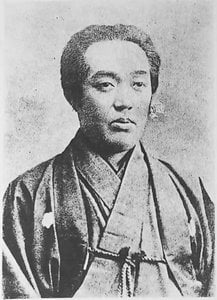
Om kunstneren
Tsukioka Yoshitoshi: En Sidste Master af Ukiyo-e
Tsukioka Yoshitoshi, født Owariya Yonejiro i 1839 midt i de travle gader af Edo (moderne Tokyo), står som en monumental figur i Japans kunsthistorie. Han er bredt anerkendt som den sidste store mester af *ukiyo-e*, “billederne fra den flydende verden,” men at definere ham udelukkende ved dette titel føles utilstrækkeligt. Yoshitoshi var ikke blot en bevarer af tradition; han var en innovator, en visuel fortæller, der frygtløst fangede Japans turbulente ånd i en periode med radikal forandring. Hans liv udspillede sig mod et baggrund af samfundsmæssig uro – de sidste år af Tokugawa-shoguneriet, Meiji-restaureringen og den hurtige indtrængning af vestlige ideer – alt sammen dybtgående påvirkede hans kunstneriske vision. Fra ydmyge begyndelser som søn af en købmand forfremmet til samurai-status, ledte Yoshitoshis vej til et læreforhold med Utagawa Kuniyoshi, en mesters hånd, hvis indflydelse ville være uomgængelig. Denne formative periode indgydede ham ikke kun teknisk dygtighed, men også en dyb værdsættelse af fortælling og dynamisk komposition.
Fra Læreforhold til Kunstnerisk Uafhængighed
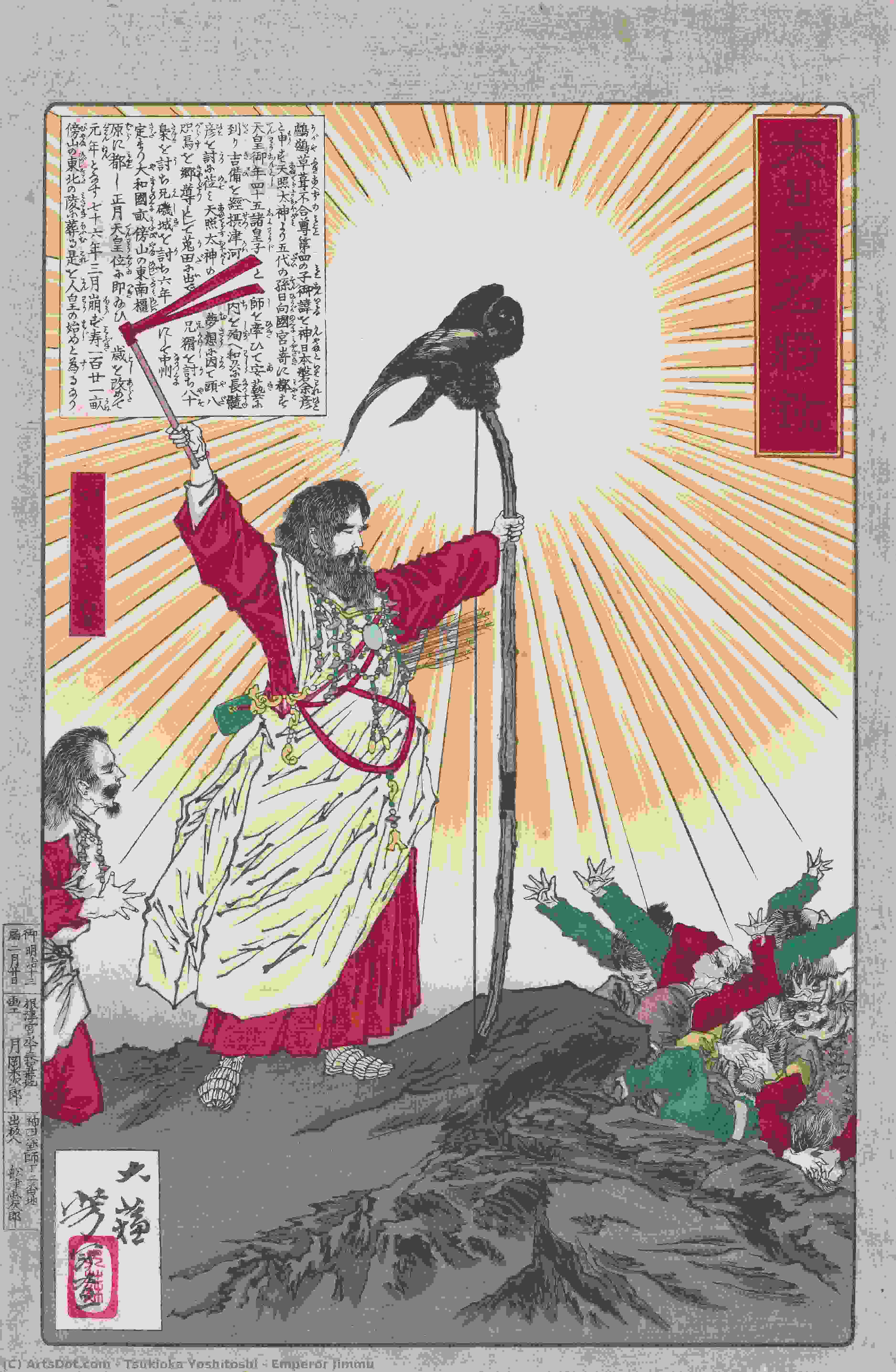
Yoshitoshis tidlige år var præget af den strenge disciplin i *ukiyo-e*-uddannelsen under Kuniyoshi. Han absorberede sin mesters teknikker, forfinede sit draftsværk og lærte at oversætte historier til overbevisende visuelle former. Alligevel begyndte Yoshitoshi hurtigt at forme sin egen vej. Selvom han i første omgang arbejdede inden for etablerede konventioner, viste han snart en villighed til at bryde grænserne, især i sine fremstillinger af vold og død. Disse var ikke blot udstillende, men snarere refleksioner over æras uro og personlige tragedier – tabet af både sin far og Kuniyoshi havde dybtgående indflydelse på hans kunstneriske retning. De midterste 1860'erne så Yoshitoshi anerkendelse for hvad der blev kendt som hans “blodige prints,” en serie karakteriseret ved grafisk billedsprog og dramatisk intensitet. Serier som *Eimei nijûhasshûku* (Fyrreogotte Mordsager med Vers) chokerede og fangede publikum, der viste scener af brutal drabet gengivet med foruroligende realisme. Denne villighed til at konfrontere mørke temaer adskilte ham fra mange af sine samtidige. Han eksperimenterede med forskellige serier og emner, herunder den populære *Tsūzoku saiyūki* (“En Modern Reise til Vesten”) og *Wakan hyaku monogatari* (“Historier om Kina og Japan”), hvilket demonstrerede en alsidighed, der yderligere befæstede hans ry.
Innovation i en Foranderlig Verden
Yoshitoshis geni lå ikke kun i hans emner, men også i hans kunstneriske teknik. Han blandede mesterligt traditionelle japanske æstetikker med vestlige påvirkninger, og integrerede elementer af perspektiv og komposition hentet fra importerede prints og tegninger. Denne fusion skabte et unikt visuelt sprog, der var både distinkt japansk og slående moderne. Da Japan omfavnede modernisering, truede nye teknologier som fotografi og litografi den meget eksisterende *ukiyo-e*-kunstform. Yoshitoshi erkendte denne udfordring og svarede ved at hæve sit håndværk til hidtil usete niveauer af kunstnerisk dygtighed. Han eksperimenterede med farvepaletter, forfinede sine udskæringsmetoder og pressede grænserne for fortælling inden for trætrykkets medium. Hans serie *Musha Burui* (Krigerprints) er et eksempel på denne dedikation – hver tryk en dynamisk eksplosion af handling og følelse, der viser hans færdigheder i at portrættere helte og dramatiske kampe. Han forstod, at for at overleve skulle *ukiyo-e* udvikle sig, og han dedikerede sig til at sikre dens fortsatte relevans.
Historisk Kontekst og Personlige Tragedier
Yoshitoshis liv udspillede sig i en tid præget af intens uro. Den vedvarende indtrængning af vestlige ideer og vestlige påvirkninger gennem 1850'erne og 1860'erne havde en dybtgående foruroligende effekt på et feudalistisk og meget lukket japansk samfund. Selvom den folkelige stemning var stærkt anti-vestlig, var der dem, der erkendte, at den eneste måde at modstå Vesten var ved at adoptere dens overlegne militære og økonomiske teknologi. Denne spænding mellem at afvise vestlig indflydelse og omfavne vestlig teknologi, kombineret med høstsvigt, økonomisk recession og hyperinflation, rystede Tokugawa-shoguneriet (som havde magten i Shogunens navn, men udøvede næsten absolut kontrol over alle politikker) til dets grund. Denne krig kulminerede i 1868's afmagtelse af Tokugawa-shoguneriet og dets erstatning med en mere moderne regering, der proklamerede en kejserlig restaurering og en ny æra af Meiji ("Oplyst Styrelse"). John Stevenson, i sin banebrydende bog *One Hundred Aspects of the Moon* bemærker, at Yoshitoshis vidne til den blodige massakre af to tusinde shoguner tropper ved slutningen af borgerkrigen "resonerede gennem Yoshitoshis arbejde i mange år."
En Samling af Mørke og Drama
Mellem 1866 og 1868 producerede Yoshitoshi en række uhyggelige og sadistiske designs i en serie kaldet *Twenty-eight Famous Murders with Verse*. Disse tryk, hvoraf flere viser stikkende eller halshuggede kvinder, var ret populære både i Japan og i Vesten og blev solgt godt. Stevenson hævder, at "notabiliteten af volden i Yoshitoshis arbejde er berettiget i den grad, at han skabte en række prints der var ekstremt grafiske og detaljerede." Han skabte også en serie fra 1867 kaldet *Azuma no nishiki ukiyo kôdan*, “Historier om den flydende verden på det østlige brogede silkebånd”, hvor han illustrerede traditionelle spøgelseshistorier. I 1868, efter Ueno-slaget, skabte Yoshitoshi en serie af prints der portrætterede de to rivaliserende gambling ringe og deres konsekvenser. Han var i en konstant kamp mod tiden og teknologien, mens Japan omfavnede vestlige massedestruktionsmetoder som fotografi og litografi. Alligevel formåede han næsten ensom at hæve den traditionelle japanske trætryk til et nyt niveau, før det effektivt døde med ham.
Et Arv af Elegance og Intensitet
På trods af de enorme udfordringer – økonomisk vanskelighed, personlige kampe og nedgangen i traditionel kunstform – holdt Yoshitoshi fast i sit engagement i *ukiyo-e*. Han arbejdede utrætteligt indtil sin død i 1892 og efterlod sig en omfattende samling af værker, der fortsat inspirerer til beundring og beundring. Selvom hans direkte indflydelse på efterfølgende generationer af japanske kunstnere debatteres, er det ingen tvivl om hans historiske betydning. Yoshitoshi står som den sidste store mester af *ukiyo-e*, en central figur, der bevarede og forhøjede en kunstform i en periode med dybtgående forandring. Hans mod, vision og urokkelige dedikation sikrede, at ånden i "den flydende verden" ville fortsætte for kommende generationer. I dag er hans tryk fejret i museer og samlinger over hele verden, som levende vidnesbyrd om hans vedvarende kunstneriske arv.
En Sidste Glød: Yoshitoshis Eftermæle
Yoshitoshis liv var en kamp mod tiden, et modigt forsøg på at beskytte en elsket kunsttradition i mødet med overvæld


 Se i rummet
 Skift til printversion
 Send
Send Del
Del
 Detaljer
 Guide
Guide

 Download
 Lignende værker
 Røntgenundersøgelse
 Se diasshow
 Statistik
 Læs mere






































 Glasmulighed er kun tilgængelig i størrelser under 110 cm