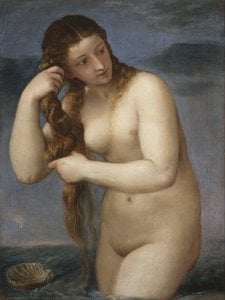
En Renæssanceekko i Den Nye Verden
Titian Ramsay Peale II indtager en fascinerende, ofte overset plads i det 19. århundredes amerikanske kunstlandskab. Født i Philadelphia i 1799 voksede han op i et stærkt kunstnerisk miljø som den yngste søn af Charles Willson Peale, en central figur i tidlig amerikansk portrætkunst og grundlæggeren af nationens første museum. Selvom faderens arv var betydelig, smedede Titian sin egen vej, dybt forankret i de æstetiske idealer fra Højrenæssancen, især dem der udgik fra Venedig. Han blot genskabte ikke stilarter; han kanaliserende en dyb kunstnerisk følsomhed og indgydte sine lærreder med minutiøse detaljer og en levende farvepalet, der adskilte ham fra mange af sine samtidige. Hans liv udfoldede sig i baggrunden af en spirende amerikansk identitet, men hans kunstneriske hjerte forblev bundet til de klassiske mestre, hvilket skabte en overbevisende spænding mellem gammel verdens ærbødighed og ny verdens udtryk.
Fra Naturalistens Skitsebog til Malerens Lærred
Peales tidlige år var præget af en dobbelt fascination af kunst og naturhistorie – en kombination fremmet af faderens mangefacetterede bestræbelser. Han deltog i ekspeditioner, bemærkelsesværdigt Stephen Harriman Longs rejse til Rocky Mountains i 1819-20, hvor han dokumenterede flora og fauna med et stadigt mere raffineret kunstnerisk øje. Denne periode handlede ikke blot om at registrere observationer; det handlede om *at forstå* form, lys og tekstur – færdigheder, der skulle vise sig uvurderlige, da han vendte sin fulde opmærksomhed mod malerkunsten. Hans arbejde som naturalist informerede hans kunst, gav en videnskabelig præcision til hans skildringer af naturen, men indgydte dem også med en følelsesmæssig resonans, der overskred blot dokumentation. Han viste os ikke bare, hvordan tingene så ud; han afslørede deres iboende skønhed og åndelige betydning. Denne dedikation til begge discipliner er tydelig i værker som ”The Tribute Money”, en dramatisk gengivelse, der viser mesterlig lys- og skyggeleg i stil med Rubens, og "Nymph and Shepherd", der blander natur, mytologi og sensuel skønhed.
Venedigs Indflydelse og Hellige Visioner
Indflydelsen fra venetiansk kolorisme – vægten på rige, lysende farver og atmosfæriske effekter fremmet af kunstnere som Titian (hvorfra han tog sit fornavn) – er uomtvistelig i Peales oeuvre. Han blot kopierede ikke disse mestre; han internaliserede deres principper og tilpassede dem til sin egen kunstneriske vision. Dette ses især i hans religiøse værker, såsom ”Altar Shrine with Four Saints” og "Adoration of the Shepherds". Disse malerier er ikke blot skildringer af bibelske scener; de er fordybende oplevelser, der trækker beskueren ind i en verden af åndelig kontemplation gennem omhyggeligt orkestrerede kompositioner og en mesterlig brug af farve til at fremkalde følelser. Den minutiøse opmærksomhed på detaljer i disse værker taler ikke kun til hans tekniske dygtighed, men også til en dyb ærbødighed for sit emne. ”The Beauty”, et slående portræt, demonstrerer yderligere hans evne til at fange menneskelig form og karakter med elegance og raffinement.
Genopdagelse og Varig Betydning
I det meste af det 20. århundrede forblev Titian Ramsay Peale II stort set skjult fra kunsthistoriske fortællinger. Hans arbejde passede ikke pænt ind i de fremherskende tendenser, og hans dedikation til en klassisk stil virkede anakronistisk i et hurtigt skiftende kunstnerisk landskab. Men de seneste år har vidnet om en voksende revurdering af hans bidrag. Forskere og samlere anerkender den unikke blanding af amerikanske følelser og europæiske traditioner, der kendetegner hans malerier. Genopdagelsen af hans arbejde handler ikke blot om at udfylde huller i kunsthistorien; det handler om at opnå en dybere forståelse af de komplekse kulturelle kræfter, der formede det 19. århundredes Amerika. Peale repræsenterer en bro mellem verdener, et vidnesbyrd om klassiske ideals varige kraft og en påmindelse om, at kunstnerisk innovation ofte opstår fra uventede kombinationer af indflydelser. Hans malerier, der nu findes i samlinger som dem på WahooArt, Uffizi Gallery og Palazzo Pitti, tilbyder et overbevisende glimt ind i et glemt hjørne af amerikansk kunsthistorie – et hjørne oplyst af renæssancens strålende skær.
En Familiearv
- Charles Willson Peale (1741-1827): Titian Ramsay Peales far, en fremtrædende portrætmaler og grundlægger af det første museum i USA. Hans indflydelse var enorm på sin søns kunstneriske udvikling.
- Tidlige interesser: Udover malerkunsten viste Titian Ramsay Peale tidligt en passion for naturhistorie, hvilket førte til deltagelse i flere ekspeditioner og omfattende studier af flora og fauna.
- Stephen Harriman Longs ekspedition (1819-20): Denne rejse til Rocky Mountains var afgørende for Peales udvikling som naturalistisk illustrator, hvor han dokumenterede landskaber og dyreliv med stor præcision.
- Venetiansk kolorisme: Peale blev stærkt påvirket af venetianske maleres brug af rige farver og atmosfæriske effekter, især Titian, som han tog sit fornavn efter.
- U.S. Exploring Expedition (1838-42): Som chefnaturalist på denne ekspedition rejste Peale rundt om Stillehavet og skabte detaljerede illustrationer af eksotiske landskaber og dyreliv.
- Senere liv: Efter en periode med succes som naturalist vendte Peale tilbage til malerkunsten, men hans arbejde blev i vid udstrækning overset indtil for nylig.



 Se i rummet
 Bestil håndmalet reproduktion
 Send
Send Del
Del
 Detaljer
 Guide
Guide

 Download
 Lignende værker
 Røntgenundersøgelse
 Se diasshow
 Statistik


 Læs mere






































 Glasmulighed er kun tilgængelig i størrelser under 110 cm