Livet til Titian Ramsay Peale Ii
Titian Ramsay Peale Ii indtog en helt særlig og funktionel position i det amerikanske landskab, hvor han opererede i det fascinerende krydsfelt mellem videnskabelig dokumentation og den formelle kunst. Han blev født den 17. november 1799 i Philosophical Hall i Philadelphia, Pennsylvania, som den yngste søn af Charles Willson Peale og Elizabeth DePeyser. Hans liv blev defineret af en vedvarende nægtelse af at lade sig begrænse til blot én disciplin; han var på én gang amerikansk kunstner, naturalist, opdagelsesrejsende og videnskabelig illustrator, der bevægede sig ubesværet mellem feltarbejdets minutiøse krav og atelierets strukturerede krav til maleriet.
Hans karriere var ikke blot en stræben efter ren æstetik, men snarere en praktisk anvendelse af selve observationen. Han brugte størstedelen af sit liv på at dokumentere den fysiske verden – en opgave, der krævede, at han besad en teknikerens præcision såvel som malerens følsomhed. Denne dualistiske identitet gjorde det muligt for ham at navigere i vidt forskellige miljøer, fra museets kontrollerede rammer til ekspeditionernes uforudsigelige terræn. Da han gik bort i Philadelphia, Pennsylvania, den 13. marts 1885, efterlod han sig et værk, der altid satte sine subjekters strukturelle virkelighed højere end stilistisk abstraktion.
Tidligt liv, familie og uddannelse
For at forstå Titian Ramsay Peale Ii må man betragte tyngden af navnet Peale. Han blev født ind i en dynasti, der fungerede som den primære drivkraft i det amerikanske kunstneriske og videnskabelige liv. Som søn af Charles Willson Peale, en central skikkelse i den tidlige amerikanske portrætkunst, blev hans opvækst formet af det frugtbare krydsfelt mellem de skønne kunster og naturhistorien. Dette var ingen stille barndom; han voksede op midt i en stor, sammenvævet familie af kunstnere og intellektuelle, herunder hans brødre Raphaelle, Rembrandt, Rubens og Franklin Peale. Hans slægtshistorie var kompleks og omfattede halvsøskende som Sophonisba Angusciola Peale og Titian Ramsay Peale I, som emnet er opkaldt efter.
Den uddannelse, han modtog, var både praktisk og krævende. Han var ikke blot en studerende af æstetik, men en aktiv deltager i en familiedrevet virksomhed dedikeret til observation. Hans søskende, herunder James, Anna Claypoole og Margaretta Peale, var alle en del af dette intense produktionsmiljø. Denne familiære struktur betød, at hans dannelse var uadskillelig fra hans fars og brødres virke. Han lærte at betragte verden gennem både portrætmalerens og naturalismens linse. Denne dualistiske uddannelse lagde det tekniske fundament for en karriere, der i sidste ende skulle bygge bro mellem den videnskabelige dokumentation og det klassiske maleri.
Videnskabelige ekspeditioner og karrieren som naturalist
Peales karriere var defineret af en dedikation til empirisk observation, som mange af hans samtidige manglede. Han nøjedes ikke med at betragte naturen på afstand; han deltog aktivt i det tidlige 19. århundredes primære videnskabelige ekspeditioner. Hans feltarbejde tog sin begyndelse tidligt, herunder ekspeditionen til Florida og Georgia i 1817–1818 sammen med George Ord, William Maclure og Thomas Say. Denne tidlige fordybelse i felten etablerede et mønster af rigorøs dokumentation. Mellem 1819 og 1820 ledsagede han Stephen Harriman Long-ekspeditionen til Rocky Mountains og de store sletter. Disse år i felten gav ham den anatomiske og botaniske præcision, som senere skulle danne fundamentet for hans mere formelle kunstneriske bestræbelser.
Hans faglige status i det videnskabelige samfund blev cementeret ved hans valget til American Philosophical Society i 1833. Denne anerkendelse faldt sammen med hans mest betydningsfulde institutionelle bidrag: hans rolle i United States Exploring Expedition fra 1838 til 1842. Som chefnaturalist for denne ekspedition bevægede Peale sig ud over den simple illustration og ind i rollen som aktiv videnskabelig leder. Hans evne til at bygge bro mellem en naturalists omhyggelige krav og en tegners tekniske færdigheder gjorde ham til en uundværlig ressource for disse omfattende maritime og terrestriske undersøgelser.
Selv da hans fokus skiftede mod andre professionelle pligter, forblev hans forbindelse til den systematiske registrering af information konstant. Han opretholdt en stabil tilstedeværelse i det føderale bureaukrati og arbejdede ved United States Patent Office indtil 1873. Denne lange tjenesteperiode afspejler en karriere bygget på den disciplinerede anvendelse af observation, uanset om det gjaldt et eksemplar i felten eller en teknisk detalje på et regeringskontor.
Teknik og kunstnerisk stil
Peales værker udfolder sig i et fascinerende spændingsfelt mellem naturalistens skarpe, observerende blik og de stilistiske ambitioner fra den venetianske kolorisme. Han nøjedes ikke med den flade, utilitaristiske dokumentation, som var almindelig i det 19. århundredes videnskabelige illustrationer; i stedet stræbte han efter en lysende kvalitet, der genkaldte den gamle verdens traditioner. Dette opnåede han gennem en behersket brug af oliemaling, som han påførte i lag for at opbygge både en fysisk og en visuel dybde. Han benyttede ofte sfumato til at blødgøre kanterne, en teknik der gjorde det muligt for ham at bygge bro mellem anatomisk præcision og en atmosfærisk ynde.
Hans tekniske repertoire var bemærkelsesværdigt bredt og vidnede om en alsidighed, der tillod ham at bevæge sig fra det mikroskopiske til det monumentale. Han mestrede en række medier: akvarel og grafit til sine videnskabelige observationer, olie på lærred til religiøse og mytologiske motiver, samt litografi og tusch til sine illustrationer. Selv i sine senere år eksperimenterede han som amatør med det fremspirende medie fotografi. Denne tekniske bredde sikrede, at hans motiver – uanset om der var tale om et botanisk eksemplar eller en klassisk figur – altid bevarede en følelse af strukturel virkelighed under deres æstetiske overflade.
Værkernes kerne og de centrale motiver
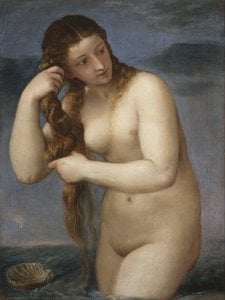
Peales kunstneriske produktion afslører en fascinerende spænding mellem det biologiske og det guddommelige. Hans religiøse motiver, såsom St. Augustin, St. Gregor den Store og Den Hellige Familie med en Hyrde, som alle er skabt omkring 1510, vidner om en dyb hengivenhed til den klassiske form. Disse værker hviler på en strukturel klarhed frem for blot at appellere til følelserne. Han udviste en lignende grundighed i sine mytologiske skildringer, herunder især Venus Anadyomene, som han ligeledes udførte omkring 1520. Præcisionen i hans observationer træder tydeligt frem i hans behandling af draperinger og den anatomiske tilstedeværelse i disse figurer. Han skabte desuden udaterede værker af St. Markus og St. Matthæus, hvilket understreger hans vedvarende fokus på religiøs ikonografi gennem hele hans karriere.
Naturalisten i Peale var aldrig blot en sekundær interesse; det var hans primære linse på verden. Hans evne til at bevæge sig sømløst fra det teologiske til det ornitologiske ses i Five Bobwhites at the Delaware Water Gap, malet omkring 1868. Dette værk kræver den samme tekniske stringens som hans store lærreder, men anvender den på dyrelivets specifikke teksturer. Selv hans mere sociale eller observerende scener, som Entertaining the Favorites fra omkring 1830, afspejler en kontrolleret pigmentanvendelse, der undgår det overfladiske. Han malede ikke blot for dekorationens skyld; han malede for at dokumentere tyngden og essensen af sit motiv.
- St. Markus, udateret
- St. Matthæus, udateret
Hvor man kan se værkerne i dag
Titian Ramsay Peale Ii's tilstedeværelse i store internationale samlinger bekræfter, at hans kunstneriske virke rakte langt ud over den amerikanske grænse. Hans religiøse og mytologiske motiver er spredt ud over Europas mest betydningsfulde institutioner. I London finder man hans værker i National Gallery, mens Museo del Prado i Madrid og Museo di Capodimonte i Napoli begge besidder betydelige samlinger. Disse samlinger vidner om, hvordan hans tekniske tilgang til lys og form resonerede med datidens europæiske standarder.
Omfanget af hans samlede værk strækker sig helt ind i Central- og Sydeuropa. Både Kunsthistorisches Museum i Wien og Santa Maria della Salute i Venedig huser hans malerier. I Nederlandene bevarer Mauritshuis i Haag hans arbejde, ligesom Scottish National Gallery of Modern Art i Edinburgh, som rummer hans Venus Anadyomene. Disse lokationer tilbyder den nødvendige kontekst for at forstå, hvordan han formåede at anvende venetiansk kolorisme på klassiske temaer.
- Entertaining the Favorites (1830)
- Five Bobwhites at the Delaware Water Gap (1868)
- The Holy Family with a Shepherd (omkring 1510)


 Se i rummet
 Del som kort
 Del
Del
 Detaljer
 Guide
Guide

 Download
 Lignende værker
 Røntgenundersøgelse
 Diasshow
 Spørgsmål og svar
 Statistikker


 Vis mere
 Skift til printsalg





































 Glasmulighed er kun tilgængelig i størrelser under 110 cm