A Glimpse into the Scottish Forest: Sir William Gillies' "Trees"
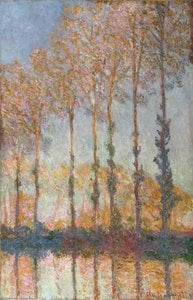
Sir William George Gillies’ “Trees,” a captivating oil painting measuring 37 x 53 cm, offers a serene and evocative glimpse into the heart of a Scottish forest. While the precise date of its creation remains unknown, the work embodies Gillies’ distinctive style—a synthesis of Cubist influences tempered by a profound appreciation for the natural world and a developing embrace of color inspired by Paul Klee. This piece isn't merely a depiction of trees; it is an exploration of light, form, and the quiet majesty of nature, rendered with a sensitivity that speaks to the soul.
The Artist’s Journey: From Cubism to Colour
To truly appreciate "Trees," one must understand Gillies' artistic evolution. Born in Haddington, East Lothian in 1898, his early training at Edinburgh College of Art was interrupted by service in World War I. Upon returning, he immersed himself in the burgeoning art scene, studying under André Lhote in Paris and traveling through Italy—experiences that introduced him to the principles of Cubism. Early works reflect this influence, characterized by fragmented forms and a restrained palette reminiscent of Braque and Picasso. However, Gillies’ artistic trajectory took a significant turn after encountering the work of Paul Klee. This encounter sparked a shift towards a more imaginative use of color and a willingness to embrace simplified, almost childlike forms—a sensibility beautifully evident in "Trees." His later works, including “Trees and Reflections” (1930) and “Trees in Leaf” (1934), further demonstrate this evolution.
A Composition of Light and Shadow
In "Trees," Gillies masterfully captures the interplay of light and shadow within a dense forest setting. At least twelve trees are visible, each distinct in size and shape, contributing to a sense of depth and dimension. The artist doesn't strive for photographic realism; instead, he uses broad brushstrokes and subtle variations in color to suggest the texture of bark, the rustling of leaves, and the dappled sunlight filtering through the canopy. The backdrop of blue sky provides a striking contrast, emphasizing the verticality of the trees and creating a sense of vastness. The composition isn't rigidly structured; rather, it feels organic and natural, inviting the viewer to wander into the scene and experience the tranquility of the forest firsthand. It’s a testament to Gillies’ skill that he can convey such a profound sense of atmosphere with relatively simple forms.
Symbolism and Emotional Resonance
While seemingly straightforward in its subject matter, "Trees" carries deeper symbolic weight. Trees have long been associated with strength, resilience, and connection to the earth—themes particularly resonant within Scottish culture. Gillies’ depiction evokes a sense of peace and contemplation, inviting viewers to reflect on their own relationship with nature. The painting's quiet beauty is both calming and inspiring, offering a respite from the complexities of modern life. It speaks to a longing for simplicity, authenticity, and a deeper connection to the natural world—emotions that continue to resonate strongly today. The work’s enduring appeal lies in its ability to evoke a sense of nostalgia and wonder, transporting viewers to a place of quiet beauty and timeless serenity.



 Se i fuld skala
 Køb håndlavet maleri
 Del
Del Del
Del
 Detaljer

 Download
 Lignende værker
 Røntgenundersøgelse
 Diasshow
 Statistik


 Se mere






































 Glasmulighed er kun tilgængelig i størrelser under 110 cm


![Poplars Along The River Epte, Autumn [1891] — Claude Monet, Impressionism](/media/artworks/images-thumb/87/07/8707b2b24bc1c6d6106417dda55914f5.jpg)