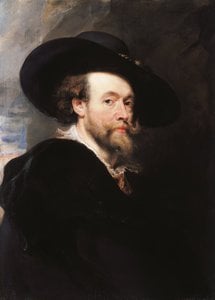
Peter Paul Rubens: En Barok Master – Livet og Kunsten bag en Afgrundsfigur
Sir Peter Paul Rubens, et navn der runger af selve barokkens dynamik, var langt mere end blot en maler. Han var en diplomat, en videnskabsmand og en kulturel arkitekt, der fundamentalt forandrede det kunstneriske landskab i det 17ende århundrede i Europa. Født i Siegen, Tyskland, i 1577, var hans tidlige liv præget af flygtningeeksistens – en formende oplevelse, der subtilt ville gennemsyre hans senere arbejde med et understrøm af drama og følelsesmæssig dybde. Hans far, Jan Rubens, en jurist på flugt fra religiøs forfølgelse for sine calvinistiske overbevisninger, flyttede familien fra deres hjem i Antwerpen, der dengang var under spansk styre. Denne indledende eksiloplevelse indgav ham en følelse af modstandsdygtighed og tilpasningsevne – kvaliteter, der ville tjene ham godt gennem hans mangefacetterede karriere. Efter sin fars død i 1587 vendte familien tilbage til Antwerpen, hvor han modtog en humanitær uddannelse før han begyndte sin kunstneriske træning omkring 1590, og lærte under Tobias Verhaecht og Adam van Noort, og dermed finpudsede grundlæggende færdigheder inden for tegning og maleteknikker. Det var dog hans tid hos Otto van Veen, der viste sig afgørende, idet han blev udsat for den rige arv fra renæssancens kunst – en verden, han snart ville omfavne fuldt ud.
Den Italienske Opvågning og Kunstnerisk Syntese
I 1600 drog Rubens på en transformerende rejse til Italien, et pilgrimsfærd der uomgængeligt formede hans kunstneriske vision. I otte år fordybede han sig i mesterværkerne af Michelangelo, Rafael og Tizian, absorberede deres beherskelse af form, farve og komposition. Den italienske gigants indflydelse er tydelig i hans tidlige italienske værker, karakteriseret ved klassiske temaer og idealiserede figurer. Alligevel kopierede Rubens ikke blot; han syntetiserede disse påvirkninger med sin egen iboende talent, udviklede en distinkt stil kendetegnet ved livlige nuancer, dynamiske kompositioner og en sanselig fremstilling af den menneskelige krop. Han studerede anatomi minutiøst, hvilket resulterede i figurer, der besad både fysisk realisme og følelsesmæssig kraft – robuste kroppe fyldt med liv og bevægelse. Denne periode var ikke blot en kunstnerisk udvikling; det var en dyb intellektuel opvågning, der fremmede en stor værdsættelse for klassisk mytologi og litteratur, som ofte blev gentaget i hans oeuvre. Han var en ivrig samler af antikviteter, smykker og mærkelige genstande, hvilket bidrog til hans ry som en kunstner med et bredt intellektuelt spektrum.
En Mester i Mange Former: Maleri Udover Grænser
Rubens’s kunstneriske output var utroligt divers og produktivt. Han begrænsede sig ikke til én genre; snarere udmærkede han sig inden for historie malerier, mytologiske scener, portrætter, landskaber og religiøse værker – et vidnesbyrd om hans alsidighed og ubegrænsede kreativitet. Hans store lærredsbilleder, ofte beregnet til kircher, paladser og offentlige rum, var betagende displays af teknisk dygtighed og dramatisk fortælling.
Nedstigningen fra Korset (c. 1612-1614) illustrerer hans mesterlige brug af lys og skygge for at skabe et billede af dyb følelsesmæssig intensitet, der inviterer publikum ind i fortællingens hjerte.
Hævningen af Korset (1610-1611), med sine roterende figurer og dynamiske komposition, viser hans evne til at udtrykke bevægelse og energi – et kendetegn ved hans barokke stil. Selv i tilsyneladende statiske emner som
Paris’ Dom (c. 1636) indførte Rubens en følelse af liv og vitalitet gennem sin farverige palet og sanselige fremstilling af den menneskelige krop. Hans teknik var ligeledes bemærkelsesværdig – en mesterlig beherskelse af oliemaleri, der anvendte impasto til at skabe tekstur og dybde, sammen med delikate glasureffekter for at opnå lummere effekter. Han brugte ofte allegoriske figurer og symbolske billeder, hvilket lagde lag af mening og kompleksitet til værkerne, der inviterede til eftertanke og fortolkning.
Diplomati, Arv og Vedvarende Indflydelse
Rubens’s indflydelse udspandt sig langt ud over kunstens sfære. Hans diplomatiske færdigheder blev højt værdsat af det sydlige Nederland (moderne Belgien), og han foretog flere missioner til England, Frankrig og Spanien, hvor han forhandlede traktater og fremmede politiske alliancer – en unik dobbeltrolle, der gav ham et nuanceret perspektiv på europæisk politik og yderligere styrkede hans ry som en mand af intellekt og indflydelse. I 1625 døde hans første kone, og han flyttede til sit landsted, Château de Steen, hvor han giftede sig med sin unge niece, Hélène Fourment – hendes ungdommelige skønhed prydede mange af hans senere værker, udtrykkende sensualiteten og vitaliteten, der karakteriserede hans stil. Han fortsatte med at male produktivt indtil sin død i Antwerpen i 1640, efterlod en enorm arv, der fortsat inspirerer til beundring og beundring. Hans indflydelse på efterfølgende generationer af kunstnere er uforståelig; malere som Anthony van Dyck, Jacob Jordaens og Eugène Delacroix alle trak inspiration fra hans dynamiske kompositioner, livlige farver og sanselige figurer. Rubens definerede ikke blot barokken – han hævede maleriet til et nyt niveau af prestige og indflydelse, hvilket cementerede Antwerpen som et vigtigt kunstnerisk centrum i det 17ende århundrede. Han forbliver, århundreder senere, en fremtrædende figur i kunsthistorien – et vidnesbyrd om kunstners menneskelige kreativitet og den vedvarende appel af barokke pragt.
Nøglekarakteristika ved Rubens’ Stil
- Dynamisk Komposition: Rubens' malerier er kendt for deres energiske og dramatiske arrangementer af figurer.
- Livlig Farvepalet: Han anvendte en rig, varm farveskala, der gav hans lærred liv.
- Sanselige Figurer: Hans fremstillinger af den menneskelige krop var karakteriseret ved fylde, vitalitet og ofte, åbenlyst sensualitet.
- Mesterlig Brug af Lys og Skygge: Rubens udnyttede lys og skygge dygtigt til at skabe dybde, drama og følelsesmæssig effekt.
- Allegorisk Symbolik: Hans værker indeholdt ofte allegoriske figurer og symbolske billeder, hvilket lagde lag af mening og kompleksitet til dem.



 Se i rummet
 Bestil håndmalet reproduktion
 Send
Send Del
Del
 Detaljer
 Guide
Guide

 Download
 Lignende værker
 Røntgenundersøgelse
 Se diasshow
 Statistik


 Læs mere






































 Glasmulighed er kun tilgængelig i størrelser under 110 cm