

Kunstværket vist på denne side er beskyttet af ophavsretsloven, hvilket betyder, at vi ikke lovligt kan skabe eller sælge en identisk reproduktion. Denne beskyttelse håndhæves i henhold til internationale aftaler som f.eks. den Bernerkonventionen og af nationale love, herunder de bestemmelser, der er fastlagt i Amerikansk ophavsretslov - Titel 17.
Denne metode overholder fuldt ud ophavsretsreglerne, da den ikke indebærer kopiering eller duplikering af det beskyttede kunstværk. I stedet er der tale om en kreativ nytolkning – et nyt maleri, som er inspireret af det oprindelige, men ikke identisk med det.
Giclée- eller lærredstryk i museumskvalitet med hurtig produktion og fleksible muligheder for finish. ( Køb håndmalet maleri Skift til digitalt billede)





























Vælg mellem vores forudindstillede størrelser, der matcher kunstværkets originale proportioner.

Indtast den bredde og højde, du har brug for, så det passer til din ramme eller din væg. Et print kan kun beskæres, aldrig gøres større end selve billedet, så en størrelse med et andet format vil medføre, at dele af motivet går tabt. Vi sender dig en digital mockup til godkendelse, før vi printer noget. Billedet vist på denne side viser ikke den faktiske beskæring — det er kun mockuppen, der gør.
Verdensomspændende levering () på 2 uger i stedet for de sædvanlige 4/5 uger. (8 november)
Sandal
Størrelse på reproduktion
Salvatore Ferragamo’s “Sandal,” painted in 1943, isn't merely a depiction of footwear; it’s an immersion into a world where the familiar dissolves into a captivating dream. This striking artwork, rendered with a masterful blend of Surrealism and Art Deco influences, captures a pair of women’s sandals floating weightlessly against a stark white backdrop – an immediate invitation to contemplate the boundaries between reality and imagination.
The painting immediately draws the eye with its bold color palette: deep purples, fiery reds, and shimmering golds coalesce to create a luxurious yet slightly unsettling atmosphere. These rich hues are juxtaposed against the cool neutrality of the background, amplifying the sense of isolation and emphasizing the sandals as the sole focus of attention. The deliberate use of muted tones contributes to the overall surreal quality, lending an air of timelessness and mystery.
Ferragamo’s technique is characterized by a remarkable precision in line work. Geometric patterns – squares, rectangles, and trapezoids – dominate the sandal bodies, creating a stylized, almost architectural effect. These shapes are not merely decorative; they suggest an underlying structure, hinting at the craftsmanship involved in their creation. The artist skillfully renders textures, capturing the supple feel of leather, the glint of metal accents (likely gold), and the implied softness of what might be crystal or glass embellishments. The careful delineation of these elements elevates the painting beyond a simple representation, transforming it into a tactile experience for the viewer.
Notably, the sandals themselves are constructed with a deliberate geometric rigor. The heels are sharply defined rectangles, while the sandal sides boast clean, angular forms. This controlled approach contrasts subtly with the dreamlike setting, grounding the image in a tangible reality even as it leans into abstraction.
The painting’s creation coincides with Ferragamo's burgeoning career in Hollywood, where he was renowned for his innovative designs that graced the feet of stars like Joan Crawford and Judy Garland. This period marked a shift towards more sculptural and theatrical footwear, moving beyond purely functional forms. “Sandal” embodies this spirit perfectly – it’s not just a shoe; it’s a statement piece, radiating an aura of luxury and sophistication.
Furthermore, the artwork reflects Ferragamo's unique approach to design, blending traditional Italian shoemaking techniques with modern experimentation. The incorporation of geometric patterns, reminiscent of Art Deco aesthetics, demonstrates his willingness to push boundaries and embrace new influences. The painting’s composition also subtly references Surrealist principles, echoing the works of artists like Salvador Dalí – a deliberate nod to the movement's exploration of subconscious imagery and dreamlike scenarios.
The image of floating sandals evokes a powerful sense of detachment and escape. Their ethereal quality suggests a realm beyond the constraints of everyday life, inviting viewers to contemplate their own desires for freedom and imagination. The isolation within the stark white space further reinforces this theme, creating an atmosphere of introspection and wonder.
The choice of sandals themselves carries symbolic weight. Footwear is intrinsically linked to movement, travel, and journeys – both literal and metaphorical. In this context, the floating sandals represent a yearning for adventure, a desire to transcend limitations, and perhaps even a longing for a world where dreams can take flight.
Salvatore Ferragamo’s “Sandal” stands as a testament to his visionary talent and enduring legacy. This captivating artwork not only showcases the beauty of handcrafted footwear but also offers a glimpse into the artist's creative spirit – a blend of innovation, artistry, and a profound understanding of human emotion. Reproductions of this piece capture the essence of its original power, bringing its surreal dreamscape to life in any setting.
Salvatore Ferragamo skabte "Sandal" inden for Surrealist Movement-bevægelsen.
Siden Besøgsstatistik for "Sandal" af Salvatore Ferragamo præsenterer statistikker over offentlige besøg: månedlige besøg af dette kunstværk, en sammenligning med kunstnerens mest sete værker og hvor de besøgende kommer fra.
Da "Sandal" blev skabt i 1943, var Salvatore Ferragamo – født i 1898 – 45 år gammel.

1898 - 1960 , Italien

Discover the breathtaking allure of Art Deco. Explore the era's iconic geometry, legendary designers like Erté, and timeless glamour. Perfect for discerning collectors seeking to infuse their spaces with sophisticated modernist elegance and historical prestige.

Discover the unparalleled elegance of Art Deco through the lens of Erté. Explore a masterclass in linear precision, theatrical costume design, and high-fashion illustration that continues to define modern luxury and sophisticated interior aesthetics.

Discover the allure of Art Deco style with our expert guide to luxury interiors. Explore iconic influences from Erté to Jean Dunand and learn to curate a sophisticated space filled with timeless glamour and geometric elegance.
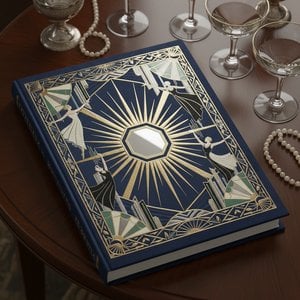
Discover the allure of Art Deco through a curated guide to its most iconic masterpieces. Explore the elegance of Erté and the innovation of Jean Dunand, perfect for collectors seeking timeless glamour and sophisticated design inspiration.
 Se i rummet
 Del som kort
 Del
Del
 Detaljer
 Guide
Guide

 Download
 Lignende værker
 Røntgenundersøgelse
 Diasshow
 Spørgsmål og svar
 Statistikker


 Vis mere









 Glasmulighed er kun tilgængelig i størrelser under 110 cm


