Om kunstneren
Pelagio Palagis Kunstneriske Rejse: Fra Bologneses Tidlige Læring til Kongelig Anerkendelse
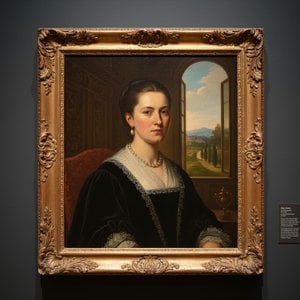
Pelagio Palagi, født i Bologna i 1775, var mere end blot en maler; han var en arkitekt for ideer, en skaber af visuelle fortællinger og en samler af historiens fragmenter. Hans kunstneriske rejse begyndte tidligt, formet af den visionære grev Carlo Filippo Aldrovandi, der åbnede dørene til sit imponerende bibliotek og sin rige samling af tryk. Denne tidlige eksponering for klassisk kunst og arkitektur, kombineret med streng tegneundervisning ved Accademia Clementina i Bologna, lagde grundstenen for Palagis senere alsidighed. Det var en periode præget af både kunstnerisk udvikling og politiske omvæltninger; Napoleons ankomst til Bologna førte til uventede bestillinger – design af uniformer, medaljer og emblemer der fejrede revolutionens idealer. Disse tidlige erfaringer demonstrerede Palagis evne til at tilpasse sig og engagere sig i sin tids ånd.
Fra Romersk Historisme til Milanesisk Portrætmaleri
I 1806 tog Palagi skridtet videre og rejste til Rom, hvor han søgte yderligere forfining ved Accademia di San Luca. Her blev han dybt påvirket af Vincenzo Camuccinis historiske præcision og detaljerigdom, hvilket tydeligt afspejles i hans egne værker fra denne periode. Hans romerske ophold gav anledning til bemærkelsesværdige portrætter som "Portræt af Giuseppe Guizzardi i antikke kostumer" (1807) og den allegoriske "Amors og Psykes Ægteskab" (1808). Palagi udforskede også historiske emner med malerier som "Mario a Minturno", der demonstrerede hans voksende beherskelse af fortællekomposition. Ud over lærreder fandt han også anerkendelse for sine dekorative projekter, herunder fresker i Palazzo del Quirinale og Palazzo Torlonia, hvilket understregede hans evne til at integrere kunst med arkitektur. Efter et kort ophold i Bologna flyttede Palagi til Milano i 1815, hvor han grundlagde en privat kunstskole – en udfordring af den etablerede Accademia di Brera. I Milano fokuserede han primært på portrætmaleri og fangede lighederne af fremtrædende personligheder som Giuseppe Bossi og Andrea Appiani, hvilket cementerede hans ry som en eftertragtet kunstner i de højere samfundslag.
Kongelig Gunst og Kunstnerisk Modenhed
Et vendepunkt i Palagis karriere kom i 1832, da han vandt kong Carlo Alberto af Sardinias gunst. Denne royale beskyttelse åbnede dørene til betydelige opgaver på forskellige kongelige residenser, hvilket markerede et skift i hans kunstneriske fokus. Han blev dybt involveret i udvidelsesprojekter ved Racconigi Slot og moderniseringsinitiativer ved Palazzo Reale i Turin, hvor han demonstrerede både sine maleriske evner og sin flair for arkitektonisk design og indretning. Hans bidrag blev formelt anerkendt med stillinger som leder af billedlige og dekorative restaureringsprojekter og professor i ornamentering (cattedra di ornato) ved Accademia Albertina, hvilket cementerede hans position som en førende figur i den italienske kunstverden. Blandt de mest imponerende vidnesbyrd om hans kunstneriske kunnen fra denne periode er "Dansen af Timerne", et betagende loftsmaleri bestilt til balsalen på Palazzo Reale i Turin. Dette værk udtrykker Palagis evne til at syntetisere klassiske principper med en spirende romantisk følsomhed og skaber en dynamisk og følelsesmæssigt resonerende komposition, der fortsat fanger beskueres opmærksomhed.
En Syntese af Stilarter og En Varig Arv
Pelagio Palagis kunstneriske stil repræsenterer en fascinerende syntese af neoklassisk stringens og spirende romantiske tendenser. Hans tidlige træning indpodede i ham en dyb respekt for klarhed, orden og overholdelse af klassiske former – kvaliteter der tydeligt ses i hans omhyggeligt gengivne portrætter og historiske malerier. Men under påvirkning af kunstnere som Francesco Hayez begyndte han gradvist at inkorporere elementer af dramatisk komposition og følelsesmæssig udtryk i sit arbejde, hvilket resulterede i værker som "Gian Galeazzo Sforza" og "Sabinenes bortførelse". Denne villighed til at omfavne nye kunstneriske strømninger samtidig med, at han forblev forankret i klassiske principper, definerer den unikke karakter af hans oeuvre. Ud over sine præstationer som maler og billedhugger var Palagi en ivrig samler, der opbyggede en imponerende samling af græsk, egyptisk, etruskisk og romersk skulptur, objekter og mønter. Ved sin død i 1860 testamenterede han generøst denne bemærkelsesværdige samling, sammen med sit bibliotek, arkiv og tegninger, til Comune di Bologna. Disse skatte er nu hjemsted på Museo Civico Archeologico, Museo Civico Medievale og Biblioteca Comunale dell'Archiginnasio, hvilket sikrer, at Palagis arv som en alsidig kunstner, en dygtig samler og en indflydelsesrig figur i det 19. århundredes italienske kunst fortsætter med at inspirere generationer fremover. Hans bidrag strakte sig ud over lærredet og mejslen; han var en sand polymath, der efterlod et uudsletteligt præg på sin tids kulturelle landskab.



 Se i rummet
 Skift til printversion
 Send
Send Del
Del
 Detaljer
 Guide
Guide

 Download
 Lignende værker
 Røntgenundersøgelse
 Se diasshow
 Statistik


 Læs mere






































 Glasmulighed er kun tilgængelig i størrelser under 110 cm