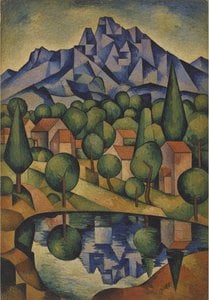
Det tidlige liv hos Paul Cézanne
Født den 19. januar 1839 på 28 rue de l'Opéra i Aix-en-Provence, trådte Paul Cézanne ind i en verden præget af etableret orden. Hans far, Louis-Auguste Cézanne, var en mand med betydelig lokal status, da han havde medstiftet bankvirksomheden Banque Cézanne et Cabassol. Denne økonomiske stabilitet udgjorde en tryg baggrund for familien, som inkluderede Paul og hans to yngre søstre, Marie og Rose. Den provinsielle opvæksts stilhed stod i skarp kontrast til den rastløse, kreative impuls, som i sidste ende skulle definere hans liv.
Hans formelle uddannelse begyndte på Saint Joseph-skolen i Aix, da han var ti år gammel. Senere gik han på Collège Bourbon og fulgte de strukturerede akademiske stier, som man forventede af en ung mand af hans stand. I 1859 førte vægten af familiens forventninger ham til at indskrive sig på det juridiske fakultet ved universitetet i Aix-en-Provence. Han brugte to år på at forsøge at mestre juraen, men de juridiske tekster vakte ringe genklang i ham. I 1860 traf han det afgørende valg om at opgive sine studier i jura for i stedet at rette alt sit fokus mod malerkunsten.
Kunstnerisk uddannelse og de tidlige år
Vejen mod et distinkt visuelt sprog begyndte i klasseværelserne i Aix-en-Provence. Mens hans fars ambitioner lænede sig mod juraen, fandt den unge kunstner fodfæste under vejledning af Joseph Gibert ved den frie kommunale tegneskole. Det var en periode præget af disciplineret observation. Allerede i 1859 var hans tekniske dygtighed tydelig, da han vandt andenprisen i skolens kursus i figurstudier. Denne formelle grunduddannelse fortsatte ved École de dessin d'Aix-en-Provence, beliggende i Musée Granet, hvor han forfinede sin evne til at oversætte tredimensionelle former til en flad overflade.
Flytningen til Paris i 1862 markerede en periode med både kamp og afgørende eksponering. Afvisningen fra École des Beaux-Arts var et tilbageslag, men det førte ham til Académie Suisse, hvor han kunne fortsætte sin udvikling langt væk fra akademiets rigide rammer. I disse formative år fandt han arbejde som kopist på Louvre. Denne stilling gav ham mulighed for at studere de gamle mestre på tætteste hold og absorbere tyngden og strukturen i de klassiske kompositioner, som senere skulle forme hans egen tilgang til den naturlige verden.
Teknik og kunstnerisk stil
De tidlige år af hans virke var præget af et tungt, ekspressivt penselstrøg og en forkærlighed for mørke paletter. I denne periode lænede hans værker sig op ad romantikkens dramatiske følsomhed og landskabstraditionerne fra Barbizon-skolen. Han bevægede sig gennem disse mørkere, mere følelsesladede stadier, før han fandt en mere disciplineret og analytisk måde at se på. Han søgte at afdække den permanente struktur, der ligger skjult i naturen, ved at se forbi lysets flygtige effekter for at finde eksistensens underliggende geometri. For ham var et bjerg eller et stykke frugt sammensat af fundamentale former: keglen, kuglen og cylinderen.
Denne søgen efter struktur førte til en højst specifik, konstruktiv metode. Han opgav den traditionelle brug af lys og skygge til at definere volumen og valgte i stedet farvemodulation. Ved at lægge små, gentagne penselstrøg i lag opbyggede han farveflader, der dannede komplekse og taktile felter. Denne teknik gjorde det muligt for ham at etablere en følelse af masse og tyngde gennem farvenuancer alene. Han bevægede sig også væk fra de klassiske begrænsninger i det enstrengede perspektiv. I hans kompositioner opretholder objekter ofte en uafhængig tilstedeværelse i rummet, hvilket tillader flere synsvinkler at eksistere side om side på en enkelt flade.
Mont Sainte-Victoire-serien
Den kalkstensprægede tilstedeværelse af Mont Sainte-Victoire blev en konstant i kunstnerens liv, et tilbagevendende motiv, der forankrede hans evigt udviklende vision. Han vendte tilbage til dette provencalske vartegn gennem hele sin karriere og skabte omkring halvfems forskellige malerier og akvareller af bjerget. Det var en søgen efter struktur, en måde at oversætte den rå, gråhvide masse til et sprog af farve og geometri. Han nøjedes ikke blot med at observere tinden; han søgte at forstå dens indre orden.
Hans perspektiv skiftede, efterhånden som han bevægede sig gennem landskabet, hvor han benyttede tre primære udkigspunkter til at indfange bjergets skiftende karakter. Han arbejdede fra højderne ved Bellevue, fra dybderne i Bibemus-bruddet og fra bakken Les Lauves. Disse varierede positioner gjorde det muligt for ham at udforske, hvordan lys og atmosfære ændrede bjergets oplevede vægt og volumen. Gennem disse forskellige vinkler blev bjerget et fartøj for hans eksperimenter med rumlige relationer og konstruktionen af form.
Hovedværker og mesterværker
De tidlige år af hans karriere var præget af en optagethed af dramatiske og ofte voldsomme temaer. Mellem 1867 og 1870 skabte han The Murder, et værk karakteriseret ved et turbulent vandspejl og en mareridtsagtig atmosfære. Denne periode med udforskning af følelsesmæssig og fysisk intensitet stod i skarp kontrast til den strukturelle klarhed, som skulle definere hans senere år. Efterhånden som hans fokus skiftede mod formens bestandighed, blev hans motiver mere jordbundne i hverdagens stilhed og den naturlige verdens geometri.
Ved 1890'erne var hans penselstrøg blevet et redskab til at opbygge volumen gennem farve. I 1893 malede han The Card Players, en komposition der understregede motivernes tyngde og nærvær. Denne analytiske tilgang fortsatte ind i hans sidste periode i begyndelsen af 1890'erne med Man Smoking a Pipe. I denne tid vendte han også sin opmærksomhed mod det hjemlige, som det ses i Still Life with Apples and a Pot of Primroses fra omkring 1890, hvor han brugte farven til at definere form uden traditionel skyggelægning. Hans sene værker søgte ofte en følelse af stabilitet, som i Château Noir, som han færdiggjorde i 1903-04.
Hans sidste år var præget af en vedvarende stræben efter at forene den menneskelige figur med landskabet. The Bathers, som først blev udstillet i 1906, står som et betydningsfuldt eksempel på denne søgen. Værket, som han arbejdede på i syv år, forblev ufuldført på tidspunktet for hans død. Det afspejler et bevidst brud med de flygtige indtryk og vælger i stedet en tæt, rytmisk arrangement af former.
Cirkler og kunstneriske forbindelser
Det sociale landskab i Paul Cézannes ungdom var forankret i en trio af uadskillelige venner: Émile Zola, Louis Marguery og Baptistin Baille. Sammen navigerede de gennem deres tids intellektuelle strømninger og debatterede kunst og litteratur i de fælles rammer, som deres opvækst udgjorde. Selvom hans tidlige år var præget af en vis isolation fra de etablerede kredse, krydsede hans kunstneriske sti til sidst de mest betydningsfulde skift i det franske maleri. Han fandt en livsvigtig mentor i impressionisten Camille Pissarro, hvis indflydelse hjalp med at guide hans overgang fra ungdommens mørke, tunge paletter mod en mere struktureret udforskning af lys og farve.
Hans forhold til den bredere kunstverden var ofte en langsom og besværlig proces mod anerkendelse. I mange år arbejdede han i relativ glemsel, en periode hvor han bevægede sig side om side med samtidige skikkelser som Paul Gauguin og Vincent van Gogh. Det var først i 1895, at kunsthandleren Ambroise Vollard organiserede hans første soloudstilling i Paris – et øjeblik, der endelig bragte hans stringente, analytiske tilgang ud til et bredere publikum. Denne anerkendelse kom sent i et liv defineret af en stædig, ensom hengivenhed til den underliggende geometri i den naturlige verden.
Arv og varig indflydelse
Det skifte, som Paul Cézanne initierede, førte kunsten væk fra efterligningen af virkeligheden og mod en konstruktion af den visuelle oplevelse baseret på perception og struktur. Ved at lægge vægt på den geometriske form lagde han det essentielle fundament for kubismen. Hans analytiske tilgang til naturen gjorde det muligt for senere kunstnere at dekonstruere det traditionelle motiv. Pablo Picasso og Georges Braque trak i høj grad på denne metode og fandt i hans arbejde en måde at organisere rummet på gennem volumen snarere end blot lys.
Hans indflydelse strakte sig ligeledes ind i farvernes rige. Brugen af dristige, ikke-naturalistiske farver satte et dybt indtryk på fauvisterne, herunder Henri Matisse. Både Picasso og Matisse anerkendte tyngden af hans bidrag, hvor førstnævnte berømt omtalte ham som faderen til os alle. Han malede ikke blot verden; han rekonstruerede den gennem en streng, strukturel linse, der ændrede, hvordan efterfølgende generationer opfattede forholdet mellem objekt og rum.
Hvor man kan se hans værker i dag
Den fysiske tilstedeværelse af hans vision er spredt ud over flere store institutioner, hvilket gør det muligt for beskueren at spore hans udvikling fra ungdommens mørke, ekspressive penselstrøg til de senere års strukturerede klarhed. I New York rummer Metropolitan Museum of Art en betydelig samling på 21 værker, som giver et omfattende indblik i hans udvikling. I nærheden finder man Museum of Modern Art i New York City, som indeholder 6 værker, herunder hans maleri fra 1904, Chateau Noir. Disse samlinger tilbyder en mulighed for at observere, hvordan han bevægede sig væk fra samtidens flygtige lys mod en mere permanent, geometrisk forståelse af den naturlige verden.
I Europa vedligeholder Musée d'Orsay i Paris 19 af hans malerier, hvilket tilbyder en dyb forbindelse til den franske tradition, som han både omfavnede og transformerede. Londons Courtauld Gallery besidder 9 værker, mens National Gallery of Art i Washington har 11. Disse institutioner huser forskellige stadier af hans karriere, fra hans tidlige studier af lys og skygge til hans endelige, intense udforskning af form. At se hans værker i disse rammer er at være vidne til den bevidste, rytmiske lagdeling af farver, der definerede hans tilgang til både landskabet og stillebenet.
- The Card Players, 1893
- The Large Bathers, 1900
- Mont Sainte-Victoire Seen from Les Lauves, 1904


 Se i rummet
 Del som kort
 Del
Del
 Detaljer
 Guide
Guide

 Download
 Lignende værker
 Røntgenundersøgelse
 Diasshow
 Spørgsmål og svar
 Statistikker


 Vis mere
 Skift til printsalg





































 Glasmulighed er kun tilgængelig i størrelser under 110 cm