

Giclée- eller lærredstryk i museumskvalitet med hurtig produktion og fleksible muligheder for finish. ( Køb håndmalet maleri Skift til digitalt billede)
Vælg mellem vores forudindstillede størrelser, der matcher kunstværkets originale proportioner.

Indtast den bredde og højde, du har brug for, så det passer til din ramme eller din væg. Et print kan kun beskæres, aldrig gøres større end selve billedet, så en størrelse med et andet format vil medføre, at dele af motivet går tabt. Vi sender dig en digital mockup til godkendelse, før vi printer noget. Billedet vist på denne side viser ikke den faktiske beskæring — det er kun mockuppen, der gør.
Verdensomspændende levering () på 2 uger i stedet for de sædvanlige 4/5 uger. (8 november)
Chapel battle
Størrelse på reproduktion

Mór Than was born in 1828 in Óbecse (modern-day Bečej, Serbia). His early life laid the foundation for a career deeply rooted in Hungarian artistic tradition. He received his formal art education in both Italy and Vienna, immersing himself in the prevailing European styles of the time. This period proved crucial in shaping his technical skills and broadening his artistic horizons.
Than’s artistic style is best described as realistic with pre-impressionist tendencies. He skillfully blended meticulous detail with a growing interest in capturing the fleeting effects of light and atmosphere, foreshadowing the developments that would characterize Impressionism. His work demonstrates a clear departure from purely academic traditions while still maintaining a strong foundation in classical techniques.
Throughout his career, Than focused on several key themes. Historical events were a frequent source of inspiration, allowing him to depict significant moments in Hungarian history with dramatic flair. He also excelled at portraiture, capturing the likenesses and personalities of prominent figures of his time. Additionally, he explored mythological and fantasy themes, showcasing his versatility and imagination.
Than was influenced by the artistic currents prevalent in Italy and Vienna during his education. He collaborated with other prominent Hungarian painters of his time, fostering a vibrant artistic community. His work, while rooted in realism, anticipated some of the stylistic shifts that would define Impressionism. Though not as widely recognized internationally as some of his contemporaries, Mór Than remains an important figure in Hungarian art history.
Mór Than passed away in Trieste (now part of Italy) in 1899. His legacy continues to be celebrated through exhibitions of his work and scholarly studies of his artistic contributions. He remains a significant figure for understanding the development of Hungarian painting during the 19th century.

1828 - 1899 , Serbia

Explore the visceral visual language of battle art through masters like Rosa and Matejko. Discover the profound truth behind conflict on canvas.

Explore the dramatic intensity of naval combat through art history. From Romanticism to classical maritime masterpieces, discover how legendary painters captured the chaos, light, and heroism of sea battles in breathtaking oil paintings.
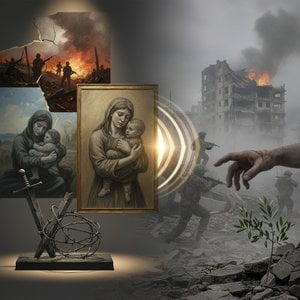
Explore a profound collection of historical war art. From visceral realism to poignant depictions of human resilience, discover museum-quality oil reproductions and expert insights for the discerning collector seeking to preserve history's most powerful echoes.

Embark on a visual journey through history's most powerful war paintings. Explore the dramatic mastery of Romanticism and Realism through expert analysis of epic battle scenes on canvas, celebrating the profound emotion and artistry behind art history's greatest military masterpieces.
 Se i rummet
 Del som kort
 Del
Del
 Detaljer
 Guide
Guide

 Download
 Lignende værker
 Røntgenundersøgelse
 Diasshow
 Spørgsmål og svar
 Statistikker
 Vis mere






































 Glasmulighed er kun tilgængelig i størrelser under 110 cm


