x
Håndmalet olie på lærred i din valgte størrelse og ramme, udført efter bestilling af vores kunstnere.
Vælg mellem vores forudindstillede størrelser, der matcher kunstværkets originale proportioner.
Du kan indtaste dine egne mål for at passe til en bestemt ramme eller plads. Hvis den valgte størrelse ikke stemmer overens med det originale billedes proportioner, vil vi enten beskære kunstværket eller udvide maleriet med yderligere håndmalede elementer. En digital skitse sendes til din godkendelse, før produktionen påbegyndes.
Bemærk venligst, at forhåndsvisningen på skærmen ikke afspejler den faktiske beskæring eller udvidelse. Kun skitsen vil nøjagtigt vise den endelige komposition.
Selvom specialmål er mulige, anbefaler vi at vælge en dimension fra den foruddefinerede liste for at bevare de originale proportioner.
Levering i hele verden () på 3/4 uger i stedet for de standard 5 uger. (2 juli). Ingen kompromiser med kvaliteten.
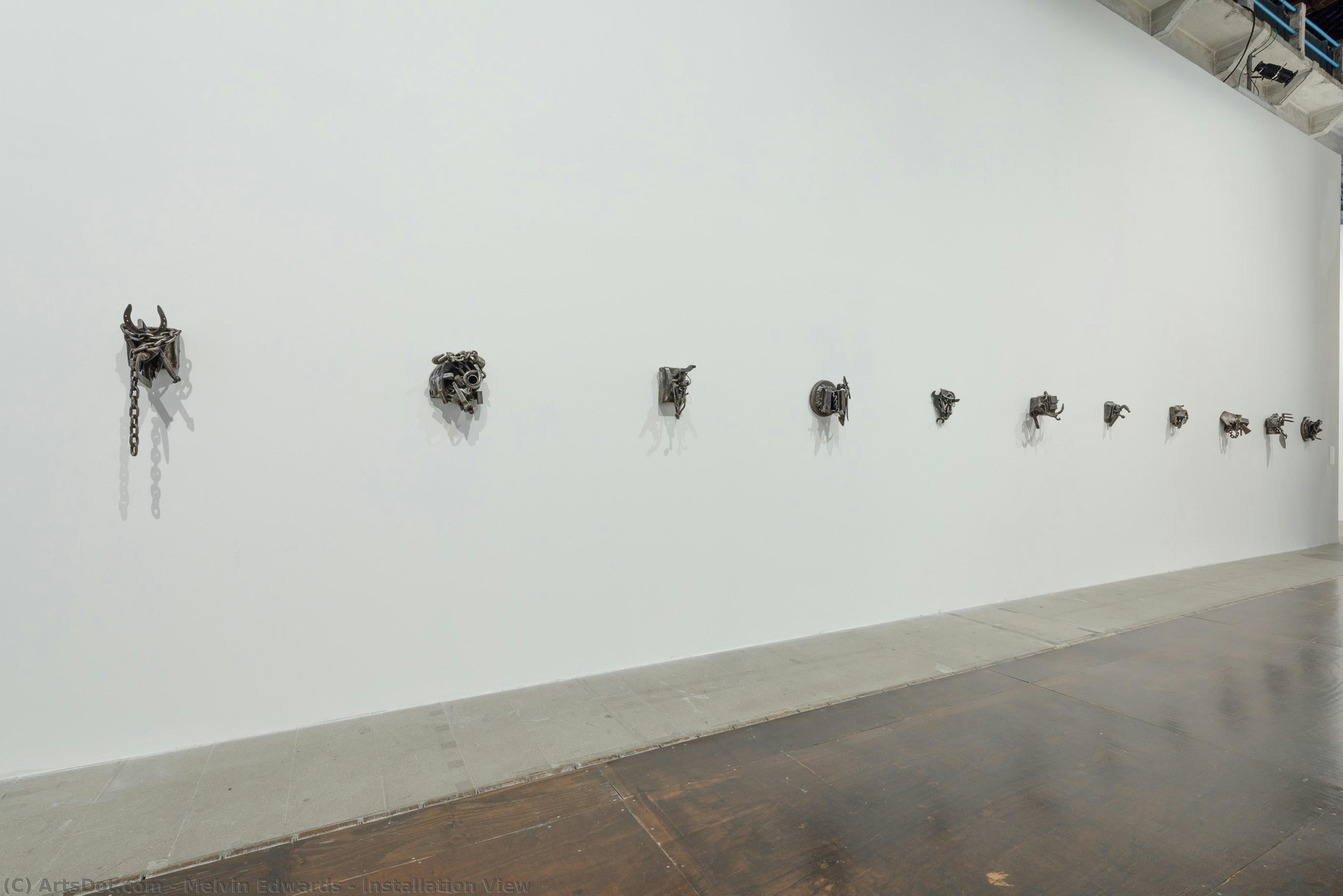
Installation View
Størrelse på reproduktion
Melvin Edwards' "Installation View," created in 2012, isn’t merely a sculpture; it’s a visceral embodiment of American history—specifically, the enduring legacy of racial injustice and the persistent pursuit of freedom. This arresting steel relief, currently available as a meticulously hand-painted reproduction through WahooArt.com, demands attention not just with its imposing scale but with the raw emotion embedded within its fragmented forms. Edwards, born in Houston in 1937 and deeply rooted in the experiences of African Americans in Texas and beyond, masterfully utilizes industrial materials—steel, welding, and repurposed metal fragments—to construct a narrative that is both historically grounded and profoundly universal.
The piece’s genesis lies within Edwards' seminal “Lynch Fragments” series, initiated in 1963. Inspired by the chilling phrase "some bright morning" – a euphemism used to announce impending acts of violence against Black communities during the era of Jim Crow—the sculptures serve as potent reminders of a dark chapter in American history. Edwards’s artistic journey began with painting, but he found himself increasingly drawn to the physicality and expressive potential of steel, mirroring his desire to translate complex social issues into tangible forms. The deliberate use of jagged edges, sharp angles, and welded seams evokes the brutality of lynching while simultaneously suggesting a process of reconstruction—a striving towards wholeness amidst devastation.
Edwards’s technique is characterized by an almost violent yet controlled approach to welding. The steel isn't smoothed or refined; instead, it retains the marks of its transformation – visible welds, uneven surfaces, and a sense of deliberate disruption. This roughness mirrors the scars left behind by systemic racism and oppression. The choice of materials—primarily industrial steel salvaged from discarded objects—adds another layer of meaning. These repurposed elements symbolize resilience and rebirth, suggesting that even from fragments of brokenness, something new and powerful can emerge. The scale of the piece – often extending several feet in length – further amplifies its impact, creating an immersive experience for the viewer.
Beyond its immediate visual impact, “Installation View” is rich with symbolic weight. The triangular shapes, reminiscent of weapons or shards of glass, evoke images of violence and fragmentation. The presence of chains, nails, and other hardware directly references the tools used to inflict harm and control. However, Edwards doesn’t simply depict suffering; he also hints at resistance and hope. The upward thrust of certain elements suggests a striving towards liberation, while the overall composition conveys a sense of dynamic tension—a perpetual struggle between oppression and freedom. The work is deeply connected to the Civil Rights Movement and the broader fight for racial equality in America, drawing upon the artist’s own experiences growing up in segregated Texas.
"Installation View" isn't a comfortable piece; it confronts viewers with uncomfortable truths about American history. Yet, within its raw intensity lies a profound message of resilience and hope. Edwards’s sculptures, particularly the “Lynch Fragments,” have become iconic representations of African-American experience—a testament to the enduring spirit of a community facing unimaginable adversity. Owning a hand-painted reproduction offers not just an aesthetic addition to your space but also a connection to this powerful artistic legacy. It's a reminder of the past, a call for justice in the present, and a celebration of the human capacity for survival and transformation. Consider it a conversation starter—a piece that invites reflection on history, identity, and the ongoing pursuit of equality.
1937 - , United States of America
Fortæl os om dit projekt, og vores kunsteksperter vil give dig 3 personlige kunstforslag.
Vi kuraterer 3 valgmuligheder kun til dig – Gratis!