Om kunstneren
A Renaissance Master of Saxony: The Life and Art of Lucas Cranach the Elder
Lucas Cranach den Ældre, født i Kronach omkring 1472, står som en central figur i det tyske renæssance. Hans liv udspillede sig under en periode med enorm religiøs og politisk uro, og hans kunst blev uadskilt forbundet med både den spirende protestantiske reformation og de overdådige kredse, han tjente. I sin tidlige udvikling var der tale om en vis mystik, men man kan se indflydelser fra sydtyske mestere i hans stiludvikling. Han skilte sig hurtigt ud ikke blot som en dygtig håndværker, men som en kunstner i stand til at fange psykologisk dybde sammen med teknisk præcision – kvaliteter, der snart tiltrak sig opmærksomheden fra magtfulde mæglere. I 1504 trådte han ind i Friedrichs III’s tjeneste, elektoren af Sachsen, et forhold, der definerede meget af hans karriere og gav ham både stabilitet og adgang til indflydelsesrige kredse. Denne udnævnelse som hoffmaler i Wittenberg var ikke blot en sag om at producere dekorative værker; den placerede Cranach i hjertet af en af Europas mest transformative bevægelser.
Patronage, Reformation og Kunstnerisk Innovation
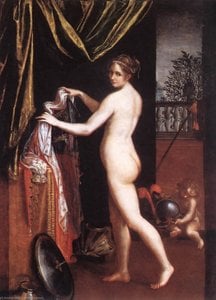
Cranachs position inden for Sachsen’s hof var ikke kun afgørende for hans levebrød, men også for hans kunstneriske udvikling. Han dokumenterede ikke blot begivenheder; han formåede aktivt at forme visuelle fortællinger i en tid med dybtgående forandring. Hans mest vedvarende arv er sandsynligvis hans tætte forbindelse til Martin Luther, den centrale figur i den protestantiske reformation. Cranach skabte ikke færre end elleve portrætter af Luther, hver især et unikt indblik i reformatorens personlighed og udviklende rolle. Disse var ikke blot gengivelser; de var omhyggeligt konstruerede billeder designet til at udtrykke autoritet, hengivenhed og intellektuel styrke – essentielle kvaliteter for en leder, der udfordrede den etablerede religiøse orden. Ud over portrætter bidrog Cranach til reformationens visuelle sprog ved at skabe illustrationer af bibelske scener, der bevægede sig væk fra traditionel katolsk ikonografi og fremhævede en mere personlig relation mellem betragteren og troen. Annunciation to Joachim er et godt eksempel på dette, hvor den udstråler en livlig glæde, der afspejler den nye fokus på individuel hengivenhed i den reformerede kirke. Hans mytologiske malerier, såsom billeder af Venus og andre klassiske figurer, bar ofte allegoriske betydninger, der var relevante for nutidige politiske og sociale spørgsmål.
En Workshop-Dynasti: Stil og Teknik
Lucas Cranach den Ældre var ikke en isoleret kunstner; han styrede et bemærkelsesværdigt produktivt værksted, hvor mange assistenter og lærlinge bidrog betydeligt til hans produktion. Denne samarbejdsformede tilgang betød, at mange værker, der tilskrives Cranach, faktisk blev produceret under hans ledelse eller af medlemmer af hans kreds. Cranach’s værksted blev kendt for sin distinkte stil: elegante figurer med udstrakte proportioner, livlige farver og omhyggelig detalje. Hans teknik omfattede en kombination af oliemaleri, træsnit og litografi, hvilket tillod ham at nå et bredt publikum gennem både originale kunstværker og overkommelige tryk. Stag Hunt of Elector Friedrich III the Wise er et godt eksempel på hans mesterskab i den nordlige renæssancestil, hvor der vises detaljeret realisme sammen med nobel symbolik. Kompositionen er dynamisk og fanger jagtens energi, samtidig med at den udtrykker elektoren’s magt og status. Cranach’s brug af lys og skygge skaber en følelse af dybde og atmosfære, der trækker betragteren ind i scenen. Hans portrætter er lige så overbevisende, karakteriseret ved deres psykologiske indsigt og raffinement.
Arv og Vedvarende Indflydelse
Lucas Cranach den Ældre døde i 1553 og efterlod en ekstraordinær kunstnerisk arv, der fortsat resonerer i dag. Han var en mester i portrætteringen, en dygtig fortolker af religiøse temaer og en skarp forretningsmand, der forstod den visuelle kommunikations magt. Hans værker afspejler ikke kun kulturen og tankerne i hans tid, men bidrog også til at forme dem. Cranach’s værksted blomstrede efter hans død, hvilket sikrede, at hans stil og teknik blev videreført i generationer. Hans indflydelse kan ses i arbejdet hos mange efterfølgende kunstnere, og hans malerier er stadig meget eftertragtede af samlere og museer over hele verden. Fra de ikoniske portrætter af Martin Luther til de fængslende mytologiske scener tilbyder Cranach’s kunst et fascinerende vindue ind i den tyske renæssance – en æra præget af både dyb åndelig tvivl og kunstnerisk innovation. Hans evne til at blande religiøs lidenskab, politisk snilde og kunstnerisk talent cementerede hans plads som en af de vigtigste kunstnere i sin tid, og hans bidrag inspirerer og fanger stadig publikum århundreder senere.



 Se i rummet
 Skift til printversion
 Send
Send Del
Del
 Detaljer
 Studieguide til kunstværker

 Download
 Lignende værker
 Røntgenundersøgelse
 Se diasshow
 Statistik


 Læs mere






































 Glasmulighed er kun tilgængelig i størrelser under 110 cm