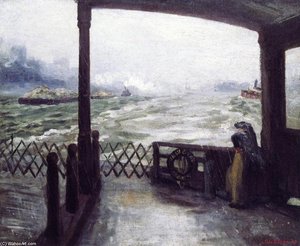
Få en printklar fil, der rækker langt ud over web-forhåndsvisningen. Hvert digitalt billede, vi sælger, stammer fra en højopløst master i vores database — typisk mellem 5.000 og 15.000 pixels i bredden — så du med selvtillid kan printe stort, beskære tæt eller gengive fine detaljer.
Ingen fil forlader vores studie uden at være blevet behandlet. En digital ekspert kontrollerer farverne i forhold til det originale maleri og korrigerer dem efter behov, hvorefter klarhed og detaljer forbedres med professionelle retoucheringsværktøjer — altid med fuld respekt for kunstnerens penselstrøg og stil. Resultatet er et billede, der ligner selve maleriet, og ikke blot et scannet billede med et filter.
Du godkender først, når du er tilfreds: Vores ekspert sender billedet til din gennemgang via e-mail inden for 72 timer. Ikke tilfreds? Bed om rettelser eller forbedringer, eller anmod om en refundering, hvis kvaliteten ikke lever op til forventningerne.
Dette er den kvalitet, som forlag, designstudier, gallerier og trykkerier stoler på.
Download en højopløselig fil til personlig fremvisning, print og kreative projekter. ( Skift til printsalg Køb håndmalet maleri)
Når du vælger WahooArt.com, får du ikke blot et billede – du modtager et professionelt optimeret digitalt kunstværk, skabt med præcision og sikret med en tilfredshedsgaranti. Her er alt, hvad din ordre automatisk indeholder:
Din højtopløselige digitale billedfil sendes til din e-mail inden for 72 timer efter bestilling – klar til øjeblikkelig brug.
Dit kunstværk optimeres professionelt ved hjælp af avancerede AI-værktøjer og manuel redigering, hvilket sikrer maksimal detaljegrad, klarhed og farvenøjagtighed.
Har du ved en fejl slettet eller mistet din fil? Ingen bekymring – vi sender den igen til enhver tid, helt gratis.
Nyd dit kunstværk med det samme uden told, afgifter eller leveringsgebyrer – digitale downloads er altid skattefrie.
Vi sikrer, at dit digitale billede gengiver de originale farver så præcist som muligt ved hjælp af professionelle værktøjer og farvestyring.
Hvis du ikke er tilfreds med dit digitale billede, vil vi revidere det eller refundere 100% inden for 100 dage – uden spørgsmål.
Ik tilfreds? Få fuld refusion inden for 100 dage efter modtagelse af din digitale fil – uden spørgsmål.
Køb 3 billeder, spar 10% - Køb 5, spar 15% - Køb 10+, spar 20%. Ideelt til kreative projekter, gallerier og bureauer.
Keltie Ferris's "The Wrestler" is not merely a depiction of a solitary figure; it’s an immersive exploration of vulnerability, resilience, and the lingering echoes of performance. Painted in 2009, this arresting work immediately draws the viewer into a world rendered with a deliberate ambiguity – a purple canvas punctuated by bursts of yellow and red that feel both chaotic and intensely focused. The distorted figures surrounding the central subject suggest a fragmented memory, perhaps reflecting the blurred lines between reality and the constructed persona of a professional wrestler.
Ferris’s technique is characterized by a bold use of color and an embrace of abstraction. The vibrant purple background isn't simply a backdrop; it actively participates in the narrative, potentially representing the emotional weight carried by the subject. The yellow and red accents – reminiscent of stage lighting or perhaps even the adrenaline rush of competition – heighten the dramatic tension. The abstracted forms of the surrounding individuals contribute to a sense of unease and disorientation, mirroring the psychological strain often associated with demanding physical labor and public performance. This approach aligns with a broader trend in contemporary art that challenges traditional representational accuracy, prioritizing emotional impact over photographic realism.
The inclusion of an umbrella within the composition is particularly intriguing. It could be interpreted as a shield against the harsh realities of the wrestler’s life – a protection from both physical blows and the judgmental gaze of the audience. Alternatively, it might symbolize the fleeting nature of fame and fortune, offering only temporary respite. The central figure itself embodies a stoic strength despite its apparent vulnerability. The posture, the weariness in the eyes (implied through the technique), speaks to years of grueling training and public exposure. It’s a portrait not just of a wrestler, but of someone who has endured.
Keltie Ferris emerged as an artist during a period of significant artistic experimentation, influenced by the rise of conceptual art and a renewed interest in exploring themes of identity and representation. While not directly aligned with Kehinde Wiley’s explicitly historical portraiture, Ferris shares a commitment to challenging conventional notions of beauty and heroism. Her work invites viewers to contemplate the hidden costs of ambition, the complexities of performance, and the enduring human need for connection – even within moments of isolation.
Blandt Keltie Ferriss gennemgående temaer – wiley’s narrative reclaiming, black subject representation”, “historical cultural references”, “visual intrigue complexity”, ferris's artistic expression"]} – bringer "The Wrestler" sit eget fokus på wrestling, purple background, umbrella, abstract figures, artistic intrigue, contemporary art, keltie ferris.
"The Wrestler" er udført i Acrylic On Canvas i Contemporary Realism-stil.
Kunstneren bag "The Wrestler" er Keltie Ferris. Værket er katalogiseret under Keltie Ferriss navn.

Born in Louisville, Kentucky, Keltie Ferris has emerged as a profound voice in contemporary American abstraction, crafting works that feel less like static images and more like living, breathing entities. His journey through the world of fine art is marked by an extraordinary expansion of what it means to apply medium to canvas. Educated at the Nova Scotia College of Art and Design, where he earned his BFA, and later at the Yale School of Art, where he received his MFA in 2006, Ferris has spent his career investigating the very boundaries of the painterly process. Currently living and working in Brooklyn, New York, his practice is a continuous exploration of light, space, and the physical relationship between the creator and the creation.
The essence of Ferris’s work lies in its ability to vibrate with an almost electric energy. His canvases often present a multidimensional world where pixelated backgrounds meet atmospheric foregrounds, creating a perceptual depth that challenges the viewer's vision. This technique, which some have described as having a "vibrant chromatic electricity," draws from a diverse array of influences ranging from pointillism and graffiti to digital pixelation. Whether he is utilizing spray guns to create soft, blurred edges or employing palette knives to build thick, sculptural impasto, the result is always a sense of movement—a feeling that the colors are in a state of constant flux and transformation.
What truly distinguishes Ferris within the landscape of modern abstraction is his radical approach to the application of paint. He does not merely use tools; he often uses himself. In a series of deeply personal works, Ferris has utilized his own body as a brush, covering himself in natural oils and pigments before pressing against the canvas. This method of creating body prints serves to literalize the connection between the artist’s identity and the resulting imagery, making the act of painting an intensely physical and autobiographical performance. This visceral approach is complemented by his use of erasure, where he wipes away layers of paint to reveal hidden histories beneath the surface, adding a layer of complexity to his compositions.
His stylistic evolution has seen him move through various experimental phases, including:
The impact of Ferris’s work is felt in the prestigious institutions that house his creations. His paintings have been recognized for their ability to capture energy rather than mere emotion, a sentiment echoed by his mentors. The significance of his contribution to contemporary art is cemented by his inclusion in permanent collections such as The Saatchi Gallery in London, the Kemper Museum of Contemporary Art in Kansas City, and the Nerman Museum of Contemporary Art. These accolades reflect a career dedicated to pushing the limits of the medium and inviting viewers into a space where light, color, and the human form converge in a spectacular, unrepeatable dance.

1977 -
 Se i rummet
 Del som kort
 Del
Del
 Detaljer
 Guide
Guide

 Download
 Lignende værker
 Røntgenundersøgelse
 Diasshow
 Spørgsmål og svar
 Statistikker


 Vis mere