A Pioneer Bridging Worlds: The Life and Art of John Singleton Copley
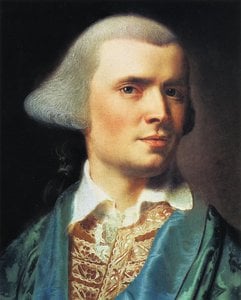
John Singleton Copley, født i Boston i 1738, indtager en unik og afgørende position i kunsthistorien – ikke blot som maler, men som en kulturel bro, der skabte en distinkt anglo-amerikansk æstetik under en periode med enorm politisk og social uro. Hans historie er en fortælling om selvudviklet genialitet, målrettet ambition og en bemærkelsesværdig evne til at fange ikke blot ligheder, men essensen af sine motiver i konteksten af deres tid. Copleys barndom var dybt forankret i den pulserende maritime verden af det koloniale Boston – en by fyldt med købmænd, skibsbygninger og voksende velstand. Hans far, Richard Copley, fór kort efter fødslen, men hans mor, Mary Singleton Copley, drev en butik på Long Wharf. Denne baggrund gav John en skarp bevidsthed om den materielle verden – teksturerne af stof, glansen af sølv og de subtile nuancer af social status – alle elementer, der senere definerede hans kunstneriske stil. Hans stedfar, Peter Pelham, en graver og liminer (en kunstner, der skabte portrætter på vellum eller pergament), ydede i første omgang vejledning, men Copleys talent var primært selvudviklet gennem vedholdende studier og øvelse. Han slugte enhver tilgængelig grafikk, kopiere dem minutiøst for at mestre teknikken, og overgik hurtigt sin stedfar’s evner.
The Rise of a Colonial Portraitist
Ved 1760'erne havde Copley etableret sig som Bostons førende portrætmaler, der betjente byens elite. Hans succes var ikke blot baseret på teknisk dygtighed; det var hans evne til at indgyde sine portrætter med en psykologisk dybde, sjældent set i koloniale amerikanske kunstværker. Han bevægede sig ud over simpel repræsentation og strævede efter at fange karakteren og den sociale status hos sine motiver. Dette involverede minutiøs opmærksomhed på detaljer – præcis gengivelse af stof, smykker og møbler – men også en dyb forståelse for holdning, udtryk og gestus. Copleys portrætter var ikke blot billeder; de var erklæringer om rigdom, magt og social status. Han integrerede subtilt symbolsk betydning i sine kompositioner, der antydede sine motiver’s erhverv eller interesser. En købmand kunne for eksempel blive afbildet med importerede varer i baggrunden, en advokat med juridiske tekster, eller en sømand med nautiske instrumenter. Denne opmærksomhed på detaljer og symbolik hævede hans arbejde over simpel portrættering og forvandlede det til en form for social kommentar. Hans portrætter af fremtrædende figurer som *Mrs. Ezekiel Gondthwait (Elizabeth Lewis)* illustrerer denne tilgang – den elegante holdning, de overdådige stoffer og de subtile detaljer udtrykker raffinement og status.
Ambition and the Call of Europe
Trods sin succes i Boston havde Copley ambitioner, der stræbte ud over den koloniale kunstverden. Han længtes efter anerkendelse fra de etablerede kunstmiljøer i London og Rom og ønskede at teste sine evner mod Europas mestre. I 1766 sendte han sit *Boy with a Flying Squirrel* til Society of Artists i London, hvor det fik betydelig ros fra Joshua Reynolds og Benjamin West – to førende figurer i det britiske kunstmiljø. Denne opmuntring drev Copleys ønske om yderligere uddannelse og eksponering. Imidlertid forsinkede familiens forpligtelser og en blomstrende praksis hans tilstedeværelse i Boston i yderligere ti år. Endelig, i 1774, med sin kone Susanna Farnsworth Clarke og deres børn, begav han sig på en rejse til Europa, med henblik på at studere de gamle mestre og etablere sig som en historisk maler. Den amerikanske revolution brød kort efter ud, hvilket komplicerede forholdene yderligere, og tvang Copley til at navigere i et politisk ladet miljø, mens han jagtede sine kunstneriske mål.
Historical Narratives and Lasting Legacy
I London fandt Copley både muligheder og udfordringer. Han fortsatte med at male portrætter, sikrede sig bestillinger fra prominente britiske figurer, men vendte også sin opmærksomhed mod historiemaleri – en genre, der blev betragtet som mere prestigefyldt end portrættering på det tidspunkt. Hans mest ambitiøse arbejde i denne genre var *The Death of Major Peirson*, der afbildede et scener fra Battle of Jersey under den amerikanske revolution. Selvom det teknisk set var imponerende, modtog det blandede anmeldelser, da nogle kritikere tvivlede på dets komposition og dramatiske virkning. Copleys senere historiemalerier, såsom *The Colapse of the Earl of Chatham in the House of Lords*, var mere succesfulde, hvilket demonstrerede hans evne til at fange komplekse følelser og dramatiske øjeblikke. Selvom han aldrig fuldt ud opnåede den anerkendelse, han søgte i Europa, efterlod John Singleton Copley et uforgængeligt aftryk på både amerikansk og britisk kunsthistorie. Han bane vejen for en unikt anglo-amerikansk stil, der blandede europæiske teknikker med en distinkt kolonial sans. Hans portrætter er uvurderlige historiske dokumenter, der giver et indblik i livet og værdierne i en svunden æra. *Han blev husket ikke kun for sin kunstneriske dygtighed, men også for sin rolle i at forme en national identitet gennem sin kunst.* Han døde i London i 1815 og efterlod en arv, der fortsat inspirerer kunstnere og fanger publikums opmærksomhed i dag.
Influences and Artistic Development
- Early Influences: Copley’s tidlige kunstneriske udvikling var stærkt påvirket af de grafer han minutiøst kopierede, især dem fra europæiske mestre som Rembrandt van Rijn og Antoine Watteau.
- Peter Pelham's Guidance: Hans stedfar, Peter Pelham, ydede i første omgang vejledning i portrættering og graverteknikker, hvilket lagde grundlaget for hans fremtidige succes.
- Joshua Reynolds & Benjamin West: Opmuntringen og feedback fra disse prominente britiske kunstnere under Copleys tidlige indsendelser til London-udstillinger var afgørende for at forme hans ambitioner og kunstneriske retning.
- Rococo Style: Copley adopterede i første omgang Rococo-stilen, der er tydelig i hans brug af delikate farver, elegante holdninger og overdådige detaljer. Men han bevægede sig gradvist mod en mere realistisk og beskedent tilgang.
- Historical Painting Inspiration: Hans eksponering for historiemalerier af kunstnere som Benjamin West inspirerede ham til at udforske denne genre, selvom han ofte kæmpede for fuldt ud at forene den med sin naturlige dygtighed inden for portrættering.



 Se i rummet
 Bestil håndmalet reproduktion
 Send
Send Del
Del
 Detaljer
 Studieguide til kunstværker

 Download
 Lignende værker
 Røntgenundersøgelse
 Se diasshow
 Statistik


 Læs mere






































 Glasmulighed er kun tilgængelig i størrelser under 110 cm