


Giclée- eller lærredstryk i museumskvalitet med hurtig produktion og fleksible muligheder for finish. ( Køb håndmalet maleri Skift til digitalt billede)





























Vælg mellem vores forudindstillede størrelser, der matcher kunstværkets originale proportioner.

Indtast den bredde og højde, du har brug for, så det passer til din ramme eller din væg. Et print kan kun beskæres, aldrig gøres større end selve billedet, så en størrelse med et andet format vil medføre, at dele af motivet går tabt. Vi sender dig en digital mockup til godkendelse, før vi printer noget. Billedet vist på denne side viser ikke den faktiske beskæring — det er kun mockuppen, der gør.
Verdensomspændende levering () på 2 uger i stedet for de sædvanlige 4/5 uger. (10 november)
Jordhule
Størrelse på reproduktion
John Singer Sargent’s “Dugout,” painted in 1918, isn’t merely a depiction of a desert landscape; it’s an immersion into the spirit of exploration and resilience. This watercolor masterpiece, currently residing within the Metropolitan Museum of Art's collection, transcends its humble dimensions – measuring just 39 x 53 centimeters – to offer a profound glimpse into the human condition amidst the harsh beauty of the American Southwest. The painting immediately draws the viewer in with its warm palette, dominated by ochre, sand, and the fiery hues of the setting sun. Yet, it’s not simply a visual pleasure; there's an underlying sense of quiet drama, a suggestion of stories whispered on the wind.
Sargent’s genius lies in his ability to capture fleeting moments with remarkable immediacy. The medium of watercolor lends itself perfectly to this effect – the loose brushstrokes and subtle gradations of color evoke the ephemeral nature of light and shadow across the desert floor. Notice how he masterfully renders the texture of the earth, the rough-hewn walls of the dugout, and even the worn fabric draped over its entrance. This isn’t a meticulously detailed rendering; rather, it's an impressionistic distillation of experience, prioritizing atmosphere and feeling above precise representation.
“Dugout” was created during the twilight years of World War I, a period marked by both profound loss and burgeoning optimism. While the specific events surrounding this particular painting remain somewhat shrouded in mystery – Sargent’s personal life at this time was complex and often turbulent – it's reasonable to interpret the scene as reflecting the spirit of adventure and endurance that characterized the era. The dugout itself represents a primal need for shelter, a retreat from the elements, mirroring humanity’s enduring instinct for survival.
The presence of the horse, positioned on the right side of the composition, adds another layer of significance. Horses have long been associated with exploration, transportation, and the westward expansion of the American frontier. It speaks to a time when venturing into the unknown was both a necessity and a symbol of progress. The scattered figures in the foreground – men and women, seemingly engaged in some unspecified activity – further reinforce this theme of human interaction with the wilderness.
Beyond its literal depiction, “Dugout” is rich in symbolic meaning. The stark contrast between the warm tones of the desert landscape and the cool shadows cast by the dugout creates a sense of tension and uncertainty. It’s a scene that invites contemplation – what are these people doing? What challenges have they faced? And what lies beyond the confines of their temporary shelter?
The painting's emotional impact is profoundly understated, yet deeply resonant. There’s no overt drama or violence; instead, we’re presented with a quiet tableau of resilience and adaptation. The light suggests hope, even as it acknowledges the harsh realities of the environment. It speaks to the human capacity for perseverance in the face of adversity – a theme that continues to resonate powerfully today.
“Dugout” firmly establishes Sargent as a master of capturing the essence of light and atmosphere, solidifying his place within the Impressionist movement. His ability to translate fleeting moments onto paper with such sensitivity and grace is truly remarkable. The painting’s intimate scale further enhances its impact, drawing the viewer in for an intensely personal experience. Reproductions of this work, available through WahooArt.com and similar platforms, offer a wonderful opportunity to bring this evocative piece into your home or office – a testament to Sargent's enduring legacy and his profound understanding of the human spirit.
"Jordhule" af John Singer Sargent har et Liggende format format. Formatet beskriver kompositionens proportioner.
Guiden til "Jordhule" findes på værkets Elevguide-side – et printbart faktablad, der præsenterer værket sammen med dets billedtekst, kreditering og identifikationstabel (kunstner, datoer, medie, original størrelse, samling).
Det anbefales at bruge et tryk af "Jordhule" til Statement.


1856 - 1925 , Italien
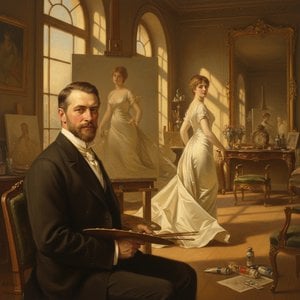
Discover the luminous mastery of John Singer Sargent. Explore an expert analysis of his legendary light, Gilded Age elegance, and technical brilliance, perfect for fine art enthusiasts seeking to bring timeless classical beauty into their modern collections.

Discover the ethereal beauty of watercolor through an art-historical lens. Master the delicate balance of light, fluidity, and pigment to capture the luminous essence of nature, inspired by the legendary techniques of the Old Masters and Impressionist greats.

Discover the breathtaking elegance of John Singer Sargent's masterpieces. From iconic Gilded Age portraits to impressionistic landscapes, explore the technical brilliance and timeless allure of this American master through our premium, hand-painted fine art reproductions.
 Se i rummet
 Del som kort
 Del
Del
 Detaljer
 Guide
Guide

 Download
 Lignende værker
 Røntgenundersøgelse
 Diasshow
 Spørgsmål og svar
 Statistikker


 Vis mere









 Glasmulighed er kun tilgængelig i størrelser under 110 cm


