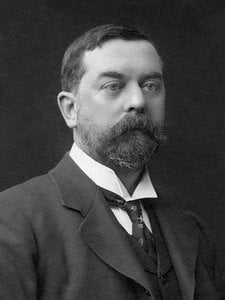
A Life Immersed in Light and Society
John Singer Sargent, et navn der er synonymt med den guldalder og dens skinnende portrætter af elegance, var en amerikansk kunstner, der brugte størstedelen af sit liv på at kultivere sin kunst inden for det europæiske kunstmiljø. Han blev født i Firenze, Italien, i 1856 til amerikanske udlændinge, Fitzwilliam og Mary Newbold Sargent, og hans barndom var langt fra konventionel. Familiens nomadeeksistens – konstant rejser gennem Frankrig, Tyskland, Italien og Schweiz – indgydte unge John en kosmopolitisk sans for verden og en tidlig eksponering for Europas kunstværker. I stedet for formel uddannelse udspillede hans uddannelse sig i museer og gamle kirker, hvilket fremmede en visuel læsefærdighed, der dybtgående påvirkede hans kunstneriske vision. Denne vandrende barndom, selvom den manglede traditionel struktur, gav et rigt kulturelt bagland, der brændte hans talent. Hans far, en kirurg, og hans mor, en amatørkunstner, opmuntrede hans tilbøjeligheder, genkendende tidligt på den bemærkelsesværdige skarpsynighed, han besad. Det var klart fra en ung alder, at Johns vej lå ikke i medicin eller konventionelle beskæftigelser, men inden for kunstens verden.
Fra Paris Atelier til Portrætfyrmester
I 1874, i alderen otteeen, satte Sargent to fod mod et afgørende kapitel i sin kunstneriske udvikling ved at gå ind i Carolus-Durans atelier i Paris. Dette mentorforhold var transformerende. Durans vægt på *direkte maleri* – en teknik, der afveg fra forudgående skitser til øjeblikkelig påføring af maling på lærredet – skar hans allerede imponerende tekniske kunnen og indgydte ham en bemærkelsesværdig evne til at fange sitters lighed med fart og præcision. Det var en revolutionerende tilgang, der opmuntrede mod og spontanitet, og det blev Sargents signaturstil. Han absorberede Durans lektioner helhjertet og mestrede kunsten at fange ikke kun fysisk lighed, men også sitters essens. Samtidig tilmeldte han sig École des Beaux-Arts, hvilket yderligere forfinede hans færdigheder i tegning fra støber og levende modeller. Dog var det påvirkningen af spanske mestre som Velázquez, mødt under en formel rejse til Spanien i 1879, der virkelig antændte Sargents kunstneriske fantasi. Han blev betaget af Velázquez's mesterlige brug af lys, penselstrøg og psykologisk indsigt – kvaliteter, han stræbte efter at efterligne gennem hele sin karriere.
Navigering i Opmærksomhed, Skandale og Kunstnerisk Udvikling
Sargent etablerede hurtigt sig selv som en eftertragtet portrætfarer i Paris og tiltrak sig bestillinger fra byens elite. Alligevel var hans opstigning ikke uden udfordringer. Afsløringen af *Madame X* (Portræt af Madame Pierre Gautreau) på Salonen i 1884 udløste en skandale, der truede med at ødelægge hans spirende karriere. Maleriets dristige fremstilling af den sociale dame Virginie Amélie Avegno Gautreau – med hendes bløde hudtone, suggestiv stilling og faldne strop – blev betragtet som provokerende og skandaliserende af det franske selskab. Selvom Sargent senere malede stroppen om, var skaden sket. Fortvivlet over skandalen flyttede han til London i 1886 og fandt en mere modtagelig publikum for sine talenter. I London fortsatte han med at male portrætter af de velhavende og fremtrædende, fanger den overdådighed og sociale dynamik i Edwardiansk samfund med upåtrotelig dygtighed. Alligevel udvidede Sargents kunstneriske ambitioner sig ud over de begrænsninger, der var forbundet med bestilte portrætter. Han længtes efter større kreativ frihed og dedikerede sig i stigende grad til landskabsmaleri og plein-air studier, omfavnede en impressionistisk stil karakteriseret af løse penselstrøg, livlige farver og fokus på at fange flygtige øjeblikke af lys og atmosfære. Disse landskaber afslører en anden side af Sargent – en mindre optaget af social status og mere opmærksom på naturens skønhed.
Et Vedvarende Arv: Udover Portrætter
Mens han fejres som "den førende portrætfarer i sin generation", udstrækker John Singers kunstneriske arv sig langt ud over hans mesterlige fremstillinger af selskabstalenter. Hans store værker, såsom *El Jaleo*, en dynamisk fremstilling af spanske flamenco-dansere, og *Carnation, Lily, Lily, Rose*, en rolig scene af to unge piger i en engelsk have, demonstrerer hans alsidighed og tekniske dygtighed. Senere i livet tog han ambitiøse vægmaleriprojekter, herunder den monumentale cyklus på Boston Public Library, der viste sin evne til at oversætte sin kunstneriske vision til et stort format. Hans indflydelse kan ses i arbejdet hos efterfølgende generationer af kunstnere, der beundrede hans tekniske kunnen, hans dristige penselstrøg og hans evne til at fange både fysisk lighed og psykologisk dybde. Opdagelsen af hans tidligere oversete mandelige nudes i 1980'erne udvidede yderligere vores forståelse af Sargents kunstneriske rækkevidde og afslørede en mere kompleks og nuanceret kunstner end hidtil anerkendt. *Hans malerier fanger fortsat publikums opmærksomhed verden over*, hvilket giver et fascinerende indblik i en forgangne æra, mens de samtidig transcenderer tiden gennem deres vedvarende skønhed og tekniske mesterskab. Han forbliver ubestrideligt en af de mest betydningsfulde amerikanske kunstnere i sin generation, hvis arbejde fortsat inspirerer og provokerer beundring.
Indflydelser og Kunstneriske Forbindelser
- Carolus-Duran: Hans lærer, der indgydte ham en direkte malerteknik og opfordrede til spontanitet.
- Diego Velázquez: Sargent blev dybt beundret over Velázquez's mesterskab i lys, penselstrøg og psykologisk indsigt, især tydelig i hans spanske værker.
- Impressionismen: Impressionisternes vægt på at fange flygtige øjeblikke og atmosfæriske effekter påvirkede hans landskabsmaleri dybt, hvilket førte til en løsere, mere udtryksfuld stil.
- James Abbott McNeill Whistler: Sargent delte med Whistler en interesse i æstetisk og jagten på "kunst for kunstens skyld", der påvirkede hans tilgang til komposition og farve.



 Se i rummet
 Skift til printversion
 Send
Send Del
Del
 Detaljer
 Guide
Guide

 Download
 Lignende værker
 Røntgenundersøgelse
 Se diasshow
 Statistik


 Læs mere