Få en printklar fil, der rækker langt ud over web-forhåndsvisningen. Hvert digitalt billede, vi sælger, stammer fra en højopløst master i vores database — typisk mellem 5.000 og 15.000 pixels i bredden — så du med selvtillid kan printe stort, beskære tæt eller gengive fine detaljer.
Ingen fil forlader vores studie uden at være blevet behandlet. En digital ekspert kontrollerer farverne i forhold til det originale maleri og korrigerer dem efter behov, hvorefter klarhed og detaljer forbedres med professionelle retoucheringsværktøjer — altid med fuld respekt for kunstnerens penselstrøg og stil. Resultatet er et billede, der ligner maleriet, og ikke blot et scannet billede med et filter.
Du godkender, før vi er færdige: vores ekspert sender billedet via e-mail inden for 72 timer til din gennemgang. Ikke tilfreds? Bed om forbedringer eller rettelser, eller anmod om en refundering, hvis kvaliteten ikke lever op til forventningerne.
Dette er den kvalitet, som forlag, designstudier, gallerier og trykkerier stoler på.

Download en højopløselig fil til personlig fremvisning, print og kreative projekter. ( Skift til printsalg
Køb håndmalet maleri)
Når du vælger WahooArt.com, får du ikke blot et billede – du modtager et professionelt optimeret digitalt kunstværk, skabt med præcision og sikret med en tilfredshedsgaranti. Her er alt, hvad din ordre automatisk indeholder:
Din højtopløselige digitale billedfil sendes til din e-mail inden for 72 timer efter bestilling – klar til øjeblikkelig brug.
Dit kunstværk optimeres professionelt ved hjælp af avancerede AI-værktøjer og manuel redigering, hvilket sikrer maksimal detaljegrad, klarhed og farvenøjagtighed.
Har du ved en fejl slettet eller mistet din fil? Ingen bekymring – vi sender den igen til enhver tid, helt gratis.
Nyd dit kunstværk med det samme uden told, afgifter eller leveringsgebyrer – digitale downloads er altid skattefrie.
Vi sikrer, at dit digitale billede gengiver de originale farver så præcist som muligt ved hjælp af professionelle værktøjer og farvestyring.
Hvis du ikke er tilfreds med dit digitale billede, vil vi revidere det eller refundere 100% inden for 100 dage – uden spørgsmål.
Ik tilfreds? Få fuld refusion inden for 100 dage efter modtagelse af din digitale fil – uden spørgsmål.
Køb 3 billeder, spar 10% - Køb 5, spar 15% - Køb 10+, spar 20%. Ideelt til kreative projekter, gallerier og bureauer.
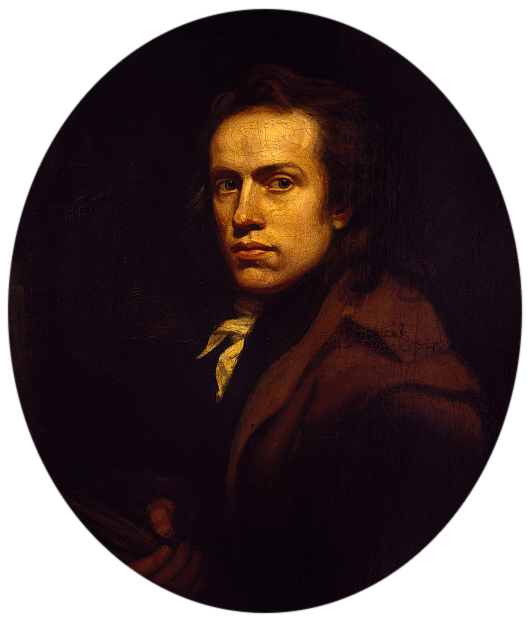
John Opie's 1789 “Self-Portrait” isn’t merely a likeness; it’s a carefully constructed window into the soul of a burgeoning artistic talent. Painted in oil on canvas, this oval composition immediately commands attention with its dramatic chiaroscuro – a masterful manipulation of light and shadow that plunges the viewer into an atmosphere of profound introspection. The portrait depicts Opie himself, not as a triumphant figure, but as a contemplative man, his gaze fixed directly upon the observer, inviting us to share in his thoughts and emotions. The choice of this particular pose—a slight turn of the head, a subtle furrowing of the brow—suggests a mind wrestling with ideas, a quiet intensity that belies the young artist’s burgeoning fame.
Opie’s style is deeply rooted in the Baroque tradition, a movement known for its theatricality, emotional intensity, and dramatic use of light. The influence of Caravaggio and Rembrandt—artists who were masters of chiaroscuro—is readily apparent in Opie's work. The stark contrast between the illuminated areas of the face and clothing and the deep shadows that envelop the background creates a sense of depth and volume, drawing our attention to the central figure. This technique wasn’t simply aesthetic; it was a deliberate choice to convey a powerful emotional state – here, a blend of seriousness, intelligence, and perhaps even melancholy. Born in Trevellas, Cornwall, Opie's artistic sensibility was profoundly shaped by his Cornish heritage, evident in the ruggedness of his features and the earthy tones that dominate the palette.
Beyond the dramatic lighting, a closer examination reveals Opie’s meticulous attention to detail. The artist skillfully employs lines to define the contours of the face, clothing, and hair, creating a sense of solidity and form. The layering of paint—a technique known as impasto—adds texture to the surface, particularly in the rendering of the fabric draped over his shoulders and the delicate details of his hands. Note the subtle variations in color and tone that suggest the play of light on different surfaces. This careful observation and execution demonstrate Opie’s commitment to realism, a hallmark of his style.
The portrait transcends a simple likeness; it's a symbolic representation of the artist’s inner world. The direct gaze invites engagement, suggesting that Opie is not simply presenting himself but offering an invitation to share in his thoughts. The serious expression—a hallmark of many self-portraits from this period—hints at intelligence, introspection, and perhaps even a touch of melancholy. Considering the historical context – the late 18th century was a time of intellectual ferment and social change – Opie’s portrait can be interpreted as an exploration of identity in a rapidly evolving world. The choice to depict himself alone reinforces this sense of internal reflection, suggesting that the artist is grappling with profound questions about his place in society and his role as a creative force.
I "Self-Portrait" forenes Oil On Canvas-teknikken med Baroque-bevægelsen.
"Self-Portrait" tilhører Baroque-retningen, og dets skaber arbejdede i Tidlig moderne tid-æraen.
"Self-Portrait" er udført i Oil On Canvas.
1761 - 1807