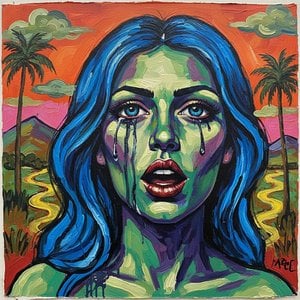
Et Liv Fordybelse i Farver: Verden af Henri Matisse
Henri Émile Benoît Matisse, født den 31. december 1869 i den lille nordfranske by Le Cateau-Cambrésis, var ikke skæbnebestemt til et liv dybt forankret i pigment og form. Efter sin skolegang begyndte han at studere jura i Paris, men hans vej tog en dramatisk drejning efter et anfald af blindtarmsbetændelse i 1889. Tvunget til sengs opdagede han en latent passion antændt af den simple handling at male med et sæt kunstmaterialer, som hans mor havde givet ham. Dette var ikke blot en tidsfordriv; det var en åbenbaring – et vendepunkt, der førte ham væk fra juridiske dokumenter og ind i en verden, hvor farve skulle blive hans sprog og lærredet hans domæne. Opvokset i Bohain-en-Vermandois som søn af kornhandlere virkede Matisse umiddelbart usandsynlig til at omfavne et bohemeagtigt kunstnerliv, men frøet var sået, plejet af rekonvalescens og blomstrende til en livslang dedikation. Han indskrev sig på Académie Julian og senere på École Nationale des Beaux-Arts, hvor han studerede under William-Adolphe Bouguereau og Gustave Moreau, absorberede klassiske teknikker, der skulle danne grundlaget for hans fremtidige innovationer. Tidlige værker afspejlede denne akademiske træning, demonstrerede dygtighed, men manglede den særskilte stemme, der snart ville definere ham.
Fauvismens Fødsel og Dristig Eksperimentering
Et afgørende øjeblik indtraf i 1896 under et besøg på Belle Île med den australske maler John Russell. Dette møde viste sig at være transformerende. Russell introducerede Matisse til Impressionismens levende verden og, vigtigere endnu, til Vincent van Goghs følelsesladede lærreder. Effekten var dybdegående. Van Goghs ekspressive brug af farve knuste Matisses tidligere tilbageholdte palet og opfordrede ham til en mere modig, subjektiv tilgang. Han begyndte at bevæge sig væk fra jordfarver og omfavnede nuancer, der resonerede med følelser snarere end streng repræsentation. Denne udforskning kulminerede i fremkomsten af Fauvismen omkring 1905 – en bevægelse, hvor Matisse blev en ledende figur. Navnet selv, der betyder "vilde dyr", var oprindeligt nedladende, tildelt af en kritiker til gruppens chokerende levende og ikke-naturalistiske malerier udstillet på Salon d'Automne.
Matisse, sammen med kunstnere som André Derain og Maurice de Vlaminck, fremmede intens farve som et uafhængigt ekspressionselement, forenklede former for at forstærke dens effekt. Maleriet
The Gourds (1905) er et eksempel på denne stil – en eksplosion af røde, grønne og gule farver anvendt med en frihed, der ignorerede traditionelt perspektiv og mimetisk nøjagtighed. Nøglekarakteristika omfattede intens mættede paletter, forenklede former, ekspressive penselstrøg og en bevidst afvisning af konventionel repræsentation til fordel for følelsesmæssig resonans.
Forfinelse og Dekorativ Harmoni
Efter den indledende begejstring for Fauvismen gennemgik Matisses stil en subtil, men betydelig udvikling. Selvom han aldrig opgav sin kærlighed til farve, blev hans arbejde mere raffineret og hældte sig mod en dekorativ æstetik, der fremhævede flade former og indviklede mønstre. Han udforskede temaer som fritid, domesticitet og den menneskelige figur i rolige omgivelser og skabte kompositioner, der føltes både harmoniske og følelsesmæssigt resonante. Et flytning til Nice på den franske riviera i 1917 påvirkede yderligere dette skift og indgydte hans arbejde en følelse af ro og klassisk balance. Han begyndte at fokusere på at skabe miljøer – malerier, skulpturer og dekorative genstande – der omsluttede beskueren i en atmosfære af skønhed og ro. I denne periode eksperimenterede han med forskellige medier, herunder keramik og tekstiler, hvilket udvidede hans kunstneriske vision ud over det traditionelle lærred. Han beskrev ikke blot scener; han konstruerede verdener designet til at fremkalde en bestemt følelsesmæssig reaktion.
Senere År: Innovation Gennem Begrænsning
Da et svigtende helbred begrænsede Matisses evne til at male på konventionel vis, begav han sig ud på et ekstraordinært nyt kapitel i sin kunstneriske rejse – skabelsen af papirklipcollager eller *découpages*. Begyndt omkring 1947 blev disse værker født af nødvendighed. Bundet til en kørestol kunne han ikke fysisk stå og male, men han kunne stadig manipulere papir med saks. Det, der begyndte som en praktisk løsning, udviklede sig til en banebrydende kunstnerisk teknik. Han ville male store ark papir i levende farver, derefter klippe dem ud i former – organiske former, blade, figurer – og arrangere dem på lærredet og skabe kompositioner, der både var dynamiske og bedragerisk enkle. Disse *découpages* var ikke blot erstatninger for maleri; de repræsenterede en ny måde at tænke om farve, form og komposition. De fortsatte hans livslange udforskning af disse elementer og viste en vedvarende kunstnerisk vision selv i lyset af fysiske begrænsninger.
- Papirklipteknikken gav ham mulighed for at opnå en renhed i form og farve, der var vanskelig at opnå med maling.
- Disse værker refererede ofte til tidligere temaer og motiver fra hans malerier, men præsenterede dem på en frisk og innovativ måde.
- De demonstrerede hans evne til at tilpasse sig og udvikle sig som kunstner gennem hele sin karriere.
En Varig Arv: Matisses Indflydelse På Moderne Kunst
Henri Matisse døde i Nice i 1954 og efterlod et værk, der fortsætter med at inspirere og fange publikum over hele verden. Hans indvirkning på kunstverdenen er uomtvistelig; han udfordrede konventionelle forestillinger om repræsentation, fremmede farvens ekspressive kraft og banede vejen for fremtidige generationer af kunstnere. Ofte betragtet sammen med Pablo Picasso som en af de mest indflydelsesrige figurer i det 20. århundredes kunst formede Matisse grundlæggende modernismen. Hans arv strækker sig ud over hans kunstværker selv – den omfatter en filosofi, der fejrer glæde, skønhed og farvens transformative potentiale. Han malede ikke blot det, han så; han skabte en følelsesmæssig oplevelse for beskueren og inviterede dem til at dele hans vision om en verden badet i lys og levende nuancer.
Matisses indflydelse kan ses i utallige værker af kunstnere på tværs af forskellige discipliner, hvilket befæster hans plads som en sand mester inden for moderne kunst – en maler, der turde se verden ikke som den er, men som den kunne være, fyldt med farve, harmoni og ubegrænsede muligheder.



 Se i fuld skala
 Køb håndlavet maleri
 Del
Del Del
Del
 Detaljer

 Download
 Lignende værker
 Røntgenundersøgelse
 Diasshow
 Statistik
 Se mere






































 Glasmulighed er kun tilgængelig i størrelser under 110 cm