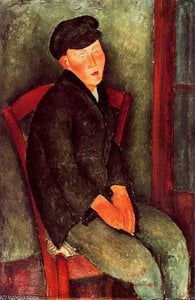
Giorgio de Chirico: En Drømmende Verden af Sindet
Giorgio de Chirico, født i Volos, Grækenland i 1888 til italienske forældre – en genuesisk mor og en siciliansk far – begyndte sin kunstneriske rejse dybt forankret i både klassisk arv og en voksende følelse af moderne alienation. Hans tidlige uddannelse på Athens Polteknik lagde et fundament i traditionelle teknikker, men det var hans efterfølgende studier i München, der virkelig antændte hans kreative ånd. Der, midt i den intellektuelle ferment af før-krigstiden, mødte han værker af Arnold Böcklin og Max Klinger – kunstnere hvis symbolske landskaber og uhyggelige billeder resonerede dybt med hans egen udviklende æstetik. Lige så indflydelsesrige var de filosofiske strømninger på tidspunktet – skrifterne fra Friedrich Nietzsche, Arthur Schopenhauer og Otto Weininger – der udforskede temaer som eksistentialisme, den irrationelle menneskelige længsel og virkelighedens subjektive natur. Disse ideer ville blive centrale for de Chiricos banebrydende kunstneriske vision.
Fødslen af Metaphysisk Kunst
Omkring 1909 begyndte en unik stil at dukke op fra de Chiricos udforskninger – en stil, han selv betegnede “metaphysisk” kunst. Dette var ikke blot en stilistisk innovation; det var et dybt forsøg på at fange den skjulte virkelighed under overfladen af dagligdags liv, at afsløre den urolige poesi, der gemte sig i velkendte rum. Et vendepunkt opstod under et besøg i Firenze og en oplevelse i Piazza Santa Croce, hvilket udløste hans ikoniske ‘Metaphysiske Torv’ serie. Disse malerier var karakteriseret ved deres uhyggelige stilhed, lange dramatiske skygger, logiske perspektiver og tilstedeværelsen af klassisk arkitektur sat i kontrast med foruroligende elementer som livløse statuer og truende mannekenheder. Effekten var dybt forstyrrende, der fremkaldte en følelse af nostalgi, isolation og en næsten uudholdelig længsel efter noget tabt eller uopnåeligt. De Chirico grundlagde *Scuola Metafisica*, hvilket havde en dybtgående indflydelse på Surrealismen, selvom han senere distancerede sig fra dens fortolkninger af hans arbejde. Hans malerier var ikke beregnet som illustrationer af drømme, men snarere forsøg på at skildre en virkelighed hinsides det synlige – et rige hvor tid og rum er flydende, og grænserne mellem bevidsthed og ubevidsthed udviskes. Bemærkelsesværdige værker som *The Vexations of the Thinker*, *The Enigma of an Autumn Afternoon* og *The Song of Love* eksemplificerer denne uhyggelige æstetik, inviterende betragtere til at spekulere i eksistensens mysterier og den skrøbelige natur af menneskelig perception.
En Skift i Stil og Et Varigt Arv
Efter Første Verdenskrig, omkring 1919, tog de Chiricos kunstneriske vej en uventet drejning. Han forlod sin tidligere metaphysiske tilgang og omfavnede i stedet en mere traditionel neoklassisk eller neo-barok stil. Denne skift blev mødt med betydelig kontrovers; mange kritikere beklagede den tilsyneladende tilbagegang i kvalitet og beskyldte ham for at have opgivet den innovative ånd, der havde defineret hans tidlige arbejde. Alligevel holdt de Chirico fast ved sine kunstneriske valg og fortsatte med at male og udstille flittigt gennem sit liv, udforskende forskellige stilarter og emner, mens han samtidig bevarede en konsekvent forpligtelse til håndværk og teknisk dygtighed. På trods af kritikken kan hans indflydelse på efterfølgende generationer af kunstnere ikke overses. Hans innovative brug af rum, perspektiv og symbolik udfordrede konventionelle kunstneriske normer og banede vejen for nye former for udtryk.
Indflydelser og Et Varigt Eftermæle
De Chiricos arbejde står som en afgørende bro mellem den sene 19. århundredes Symbolistbevægelse og Surrealismens fremkomst i det tidlige 20. århundrede. Han var direkte påvirket af kunstnere som Arnold Böcklin og Max Klinger, hvis evocative billeder resonerede med hans egen fascination for mytologi og den ubevidste sind. Filosoffer som Nietzsche og Schopenhauer gav ham et rammeværk til at udforske temaer som eksistentiel angst, alienation og søgen efter mening i en tilsyneladende meningsløs verden. Men de Chiricos indflydelse strækker sig langt ud over Surrealismen. Kunstnere som René Magritte og Salvador Dalí blev dybt inspireret af hans metaphysiske malerier, adopterede hans teknikker for juxtaposition, logisk perspektiv og symbolske billedsprog til at skabe deres egne drømmende verdener. Hans arbejde har også påvirket senere bevægelser som Magic Realism, der søgte at skildre hverdagsrealitet med en forhøjet følelse af mystik og psykologisk dybde. I dag er de Chiricos malerier udstillet i store museer over hele verden, herunder det museum, der er dedikeret til hans arbejde nær de spanske trin, hvilket sikrer, at hans arv som en af de vigtigste figurer i 20. århundredes kunst forbliver sikker. Han efterlod ikke kun et værk af kunst, men også en ny måde at se – en måde at opfatte verden som et sted for skjulte betydninger, uhyggelig skønhed og vedvarende mysterium.
Nøgle Indflydelser & Kunstnerisk Slægtskab
- Påvirket af: Arnold Böcklin, Max Klinger, Friedrich Nietzsche, Arthur Schopenhauer.
- Påvirket af: Surrealismen, især kunstnere som René Magritte og Salvador Dalí. Hans arbejde har også påvirket senere bevægelser som Magic Realism.



 Se i rummet
 Skift til printversion
 Send
Send Del
Del
 Detaljer
 Guide
Guide

 Download
 Lignende værker
 Røntgenundersøgelse
 Se diasshow
 Statistik

 Læs mere