Gilbert Stuart (1755–1828): America’s Foremost Portraitist
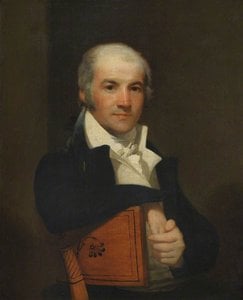
Gilbert Charles Stuart (født Stewart) (December 3, 1755 – July 9, 1828) var en amerikansk maler fra Rhode Island. Han anses generelt for at være Amerika's førende portrætfarver af det 18. århundrede og efterlod sig et betydeligt kunstnerisk arv, der fortsætter med at fascinere kunsthistorikere og publikum i dag. Stuart var en kompleks figur, kendt både for sin tekniske dygtighed og sit temperament – egenskaber, der ofte beskrives som både geni og selvdestruktivitet. Hans arbejde repræsenteres nu i nogle af verdens største kunstmuseer, hvilket vidner om hans varige betydning inden for amerikansk kunsthistorie.
- Tidlig Liv og Uddannelse
- Kunstnerisk Karriere og Store Arbejder
- Påvirkninger og Udvikling
- Historisk Betydning og Eftermæle
Tidlig Liv og Uddannelse
Gilbert Stuart blev født i Saunderstown, Rhode Island, den 3. december 1755, søn af Gilbert Stewart, en skotsk immigrant der etablerede den første snapsmølle på Rhode Island. Familien flyttede senere til Newport, hvor Stuart fik sin kunstneriske uddannelse under Cosmo Alexander, en ung skuespiller og kunstner fra Edinburgh. Efter Alexanders død i 1775 fortsatte Stuart sin træning i London med Benjamin West, en fremtrædende amerikansk maler der boede i England, hvilket var afgørende for at udvikle hans kunstneriske stil og opnå anerkendelse inden for Royal Academy. Tidligt viste Stuart talent for tegning og illustration, hvilket blev dokumenteret af hans første kendte værk, "Dr. Hunter's Spaniels," udført allerede som 14-årig – et billede der straks demonstrerede hans evne til at fange essensen af sit subjekt og udtrykke dets karakter. Denne tidlige interesse for kunst satte scenen for en produktiv karriere præget af både teknisk finesse og psykologisk indsigt.
Kunstnerisk Karriere og Store Arbejder
Stuart mødes med udfordringer under den amerikanske revolution, hvilket førte til hans udvandring til England i 1775. Han fik tidlig succes med "The Skater" (1782), et portræt der hurtigt etablerede hans ry som en talentfuld kunstner og blev rost af kritikere og offentlighed. Stuart’s mest ikoniske værk er det ufærdige portræt af George Washington, kendt som Athenaeum Portrait (begun i 1796). Dette billede har gennemgået flere revisioner og kopier og er blevet brugt til at illustrere amerikansk kunsthistorie og kultur. Stuart producerede omkring 1.000 portrætter af prominente personer, inklusive de første seks præsidenter – en imponerende liste over kunstneriske præstationer der dokumenterer hans betydelige rolle i at forme den amerikanske historie og kultur. Hans stil var karakteriseret af en neoclassisk tilgang, hvor han søgte inspiration fra klassiske former og idealer og anvendte teknikker som blev udviklet af europæiske kunstnere for at skabe billeder der både var realistiske og psykologisk dybe. Stuart’s fokus lå på at fange ikke blot et fysisk udtryk, men også subjektets karakter og personlighed – en ambition der gjorde hans værker til unikke dokumenter om deres tid og deres personer.
Påvirkninger og Udvikling
Stuart fik tidlig træning under Cosmo Alexander, hvor han lærte vigtige teknikker og kompositoriske principper. Benjamin West havde en betydelig indflydelse på Stuart’s kunstneriske forståelse og udvikling, hvilket førte til et samarbejde om flere projekter og udvidede Stuart’s kunstneriske horisonter. Stuart var selv meget opmærksom på sine omgivelser og interaktioner med hans kunder og subjekt – egenskaber der bidrog til den psykologiske dybde og realismen i hans portrætter. Han søgte konstant nye måder at udtrykke sig kreativt og udviklede sin kunstneriske stil gennem årenes løb, hvilket førte til nogle af de mest ikoniske og eftertragtede billeder fra det 18. århundrede. Stuart’s arbejde blev præget af både teknisk perfektionisme og en dyb forståelse for menneskelig psykologi – kvaliteter der gjorde hans kunstværker til unikke dokumenter om deres tid og deres personer.
Historisk Betydning og Eftermæle
Gilbert Stuart er betragtet som en af Amerika’s mest fremstående portrætfarvere og spillede en vigtig rolle i at dokumentere de tidlige år af USA. Athenaeum Portrait af George Washington har gennemgået flere revisioner og kopier og er blevet brugt til at illustrere amerikansk kunsthistorie og kultur. Dette billede er blevet ikonisk og repræsenteres på U.S.-dollar sedler og forskellige postkort – hvilket vidner om Stuart’s betydning for amerikansk kultur og identitet. Hans værker er repræsenteret i nogle af verdens største kunstmuseer, hvilket sikrer hans eftermæle og hans kunstværkers fortsatte værdighed for kommende generationer. Stuart etablerede en distinkt amerikansk stil indenfor portrætfarveri der blandede europæiske teknikker med unikke amerikanske følelser – en stil der fortsat inspirerer kunstnere og forskere i dag.



 Se i fuld skala
 Køb håndlavet maleri
 Del
Del Del
Del
 Detaljer

 Download
 Lignende værker
 Røntgenundersøgelse
 Diasshow
 Statistik


 Se mere






































 Glasmulighed er kun tilgængelig i størrelser under 110 cm