Om kunstneren
A Livets Kunstner: George Romney – En Portrætmalers Verden
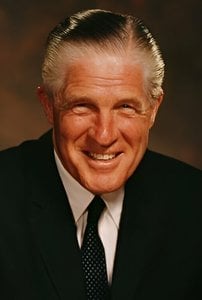
George Romney, født den 15. december 1734 i det idylliske Dalton-in-Furness i Lancashire, England, steg til at blive en af de mest eftertragtede portrætmalere i sin tid. Hans rejse fra en skildrerens søn til kunstneren, der favoriserede den britiske overklasse, er en fascinerende fortælling om indfødt talent og ubønhørlig ambition. Tidlig liv gav ingen antydning af den kunstneriske vej, han skulle forfølge; oprindeligt ansat som sin fars assistent, var det en iboende tilbøjelighed mod tegning og håndværk, der førte ham til Christopher Steele, en lokal portrætmaler, der havde studeret i Paris. Denne lærlingstid blev afgørende, idet den gav Romney grundlæggende færdigheder og en introduktion til europæiske kunsttraditioner. Han overgik hurtigt sin mester, dog, demonstrerede et prætiltalent, der krævede yderligere kultivering. Et kort, ulykkelig ægteskab og efterfølgende skilsmisse drev ham mod London i 1762, en by fyldt med muligheder, men også med intens konkurrence.
Etablering af et Ry: Stil og Teknik
London viste sig at være en smeltedigel for Romneys kunstneriske udvikling. Han etablerede hurtigt sig som en formidabel portrætmaler, der udfordrede dominansen af kunstnere som Thomas Gainsborough og Sir Joshua Reynolds. Selvom han aldrig søgte medlemskab i Royal Academy – en beslutning, der måske begrænsede hans adgang til visse patroner – var hans succes uomtvistelig. Romneys stil udviklede sig over tid, oprindeligt afspejlet af Steele og hans franske træning, men blomstrede snart ud i noget helt unikt. Han besad en exceptionel evne til at fange ikke blot portrættets lighed, men også sitters personlighed og sociale status. Hans portrætter er karakteriseret ved elegante positurer, en raffineret brug af lys og skygge og en subtil psykologisk indsigt, der adskilte ham fra sine samtidige. Romneys teknik var præget af en delikat berøring og en præference for flydende linjer, ofte inspireret af klassisk skulptur. Han udnyttede smukt farver til at formidle tekstur og dybde, hvilket skabte portrætter, der var både visuelt slående og følelsesmæssigt resonante. Hans evne til at flirte med sine emner, mens han bevarede kunstnerisk integritet, tjente ham loyaliteten hos en eliteklientel. Han forstod magten i antydning, der antydede karakter snarere end eksplicit at definere den – en kvalitet, der appellerede til dem, der værdsatte diskretion og raffinement.
Museen og Hendes Indflydelse: Emma Hamilton
Romneys liv tog en dramatisk drejning med hans møde med Emma Hart, senere kendt som Lady Hamilton, i 1782. Hun blev ikke blot hans mest berømte model, men også hans muse, der dybtgående påvirkede hans kunstneriske output. Emmas skønhed, intelligens og teatralske flair fangede Romneys opmærksomhed og inspirerede en række portrætter, der udforskede temaer som klassisk mytologi, dramatisk fortælling og feminint værdighed. Han afbildede hende i forskellige roller – som en spinderinde, som den tragiske Miranda fra Shakespeares *Midnatstrilsk*, og i utallige allegoriske scener, der viste hendes udtryksfulde rækkevidde. Disse værker demonstrerer Romneys villighed til at eksperimentere med komposition og symbolik, bevæger sig ud over konventionel portrættering ind i mere fantasifuldt territorium. *Midnatstrilsk*-serien viser for eksempel en romantisk sans, der forudser de følelsesmæssige intensiteter hos senere kunstnere. Forholdet var intenst og opslugende for Romney, dog, men endte med at være romantisk ulykkeligt; Emma blev til sidst Lord Nelsons hustru, et ægteskab, der cementerede hendes plads i historien. Alligevel efterlod deres kunstneriske samarbejde et varigt præg på begge deres liv og skabte nogle af Romneys mest vedvarende mesterværker. Det siges, at han malede over 80 portrætter af hende, hver der afslørede en anden facet af hendes fængslende personlighed.
Arv og Historisk Betydning
George Romney’s indflydelse på britisk portrætmaleri er uomtvistelig. Han bidrog til at forme de æstetiske sanser i det sene 18. århundrede, hvilket skabte en stil, der fremhævede elegance, psykologisk dybde og kunstnerisk flair. Hans portrætter giver værdifulde indsigter i livet og smagene hos den britiske overklasse under hans tid, og giver et visuelt vidnesbyrd om deres sociale skikke, mode og intellektuelle bestræbelser. Selvom han stod over for perioder med selvtvivl og kæmpede med psykisk sundhed i senere år – hvilket førte til et fald i produktiviteten før hans død i Kendal i 1802 – hans arv består gennem de hundredvis af malerier og tegninger, der forbliver som vidnesbyrd om hans dygtighed. Hans arbejde bliver fortsat beundret for sin tekniske brillianse og følelsesmæssige resonans. Romneys indflydelse kan ses i portrætterne af efterfølgende generationer af britiske kunstnere. Den vedvarende fascination omkring hans forhold til Emma Hamilton tilføjer et ekstra lag af intriger til hans historie. Han er fortsat en betydningsfuld figur i kunsthistorien, en mesterportætmaler, der fangede åndene i en æra og efterlod et værk, der fortsat fascinerer og inspirerer.



 Se i rummet
 Skift til printversion
 Send
Send Del
Del
 Detaljer
 Guide
Guide

 Download
 Lignende værker
 Røntgenundersøgelse
 Se diasshow
 Statistik


 Læs mere






































 Glasmulighed er kun tilgængelig i størrelser under 110 cm