Early Life and Formation in Extremadura
Francisco de Zurbarán, født i Fuente de Cantos, Extremadura, Spanien, i 1598, opstod fra et område præget af dyb religiøs overbevisning og landlig fattigdom – kvaliteter, der dybtgående påvirkede hans kunstneriske vision. Selvom detaljer om hans tidlige uddannelse forbliver noget uklare, ved vi, at han i første omgang var lærling hos den lokale maler Alejandro de la Mina før han flyttede til Sevilla for at studere under Alonso de Najera. Det var indenfor Najeras værksted, at Zurbarán begyndte at absorbere den spirende Barok stil – et dramatisk afsæt fra de mere beskedne kunstneriske traditioner fra tidligere generationer. Selv i disse formative år blev en bemærkelsesværdig talent for at fange realistisk detalje og indgyde sine emner med følelsesmæssig vægt tydelig, hvilket antydede den distinkte vej han ville bane sig som kunstner. De barske landskaber og det fromme atmosfære i Extremadura indså en sanselighed indenfor ham, der foretrak simpelhed, ærbødighed og en dyb engagement med åndelige temaer – karakteristika, der ville definere hans modne værk.
The Seville Period: Establishing a Singular Style
Senere i 1614 etablerede Zurbarán sig i Sevilla, en pulserende kulturel hub og porten til Spaniens enorme amerikanske kolonier. Han steg hurtigt frem i graderne, etablerede et succesfuldt værksted og tiltrak sig mange bestillinger, primært for religiøse malerier beregnet til kircher, klostre og privat devotional brug. Denne periode vidnede om den fulde blomstring af hans signaturstil – en overbevisende blanding af skarp realisme og intens åndelighed. Hans tidlige værker viste allerede en mesterlig kommando over *tenebrism*, en teknik lånt fra Caravaggio, der anvendte dramatiske kontraster mellem lys og skygge for at skabe en følelse af drama og fremhæve de følelsesmæssige intensiteter i hans emner. Han kopierede ikke blot det, han så; han stræbte efter at afsløre en indre sandhed, en dyb åndelig tilstedeværelse indenfor hver figur. Hans malerier var ikke blot repræsentationer af helgener eller bibelske scener; de var invitationer til kontemplation, designet til at vække en visceral respons hos betragteren. Han var stærkt påvirket af Juan Sánchez Cotán, kendt for sine spartanske stillbilleder og præcise realisme, samt den skulpturelle tradition, der var udbredt i Sevilla på det tidspunkt.
Master of Tenebrism and Religious Devotion
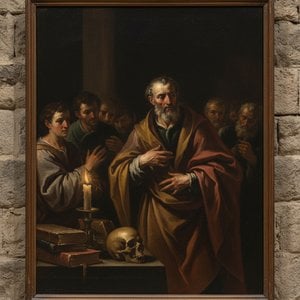
Zurbaráns kunstneriske dygtighed lå i hans evne til at transformere religiøse fortællinger til kraftfulde visuelle oplevelser. Han blev kendt for sine fremstillinger af munke, nonner, martyrer og helgener – figurer ofte portrætteret i øjeblikke af dyb kontemplation eller lidelse. Hans *Immaculate Conception* (ca. 1635), udstillet på Bilbao Kunstmuseum, illustrerer denne mesterskab; Jungfrun Maria er skildret med en rolig værdighed, badet i æterisk lys mod en mørk baggrund, der formidler både renhed og guddommelig nåde. Ligeledes viser hans *Agnus Dei* (ca. 1640), nu en del af Metropolitan Museum of Arts samling, et hjerteskærende billede af Kristus som den offerlamm, der udstråler en aura af ærbødighed og opofrelse. *Sudarium of St Veronica*, med sin gribende skildring af lærredet, der bærer trykket fra Kristi ansigt, viser hans exceptionelle kontrol over tenebrism og følelsesmæssig dybde. Han tøvede ikke for at portrættere de fysiske realiteter af tro – den spartanske munkeliv, lidelsen ved martyrium – men indgydede disse scener altid med en følelse af ærbødighed og åndelig betydning. Hans *St Francis Receiving the Stigmata* demonstrerer hans evne til at skildre dybe åndelige oplevelser med bemærkelsesværdig følsomhed og realisme. Serien af malerier, der skildrer Carthusian munke, illustrerer yderligere hans færdigheder i at portrættere spartansk religiøst liv, fanger deres rolige hengivenhed og indre fred.
Royal Patronage and Lasting Legacy
Omkring 1630 opnåede Zurbarán en betydelig milepæl i sin karriere, da han blev hofmaler for Filip IV. Denne udnævnelse bragte ham øget anerkendelse og adgang til kongelige bestillinger, hvilket yderligere befæstede hans ry som Spaniens førende kunstner. Alligevel aftog hans popularitet noget senere i karrieren med fremkomsten af forskellige kunstneriske smag. De økonomiske vanskeligheder, Spanien stod overfor i midten af det 17. århundrede, påvirkede også hans evne til at sikre store projekter. Alligevel fortsatte Zurbarán med at arbejde flittigt, tilpasse sin stil og udforske nye temaer. Hans indflydelse på den spanske Barok kunst er uomtvistelig; hans dramatiske brug af chiaroscuro og fokus på religiøse emner inspirerede generationer af kunstnere. En kreds af følgere, kendt som "Zurbaránistas", opstod, der fortsatte med at presse grænserne for tenebrism og udforske de udtrykkelige muligheder i lys og skygge. Selvom han døde i 1664, efterlod Francisco de Zurbarán et rigt kunstnerisk arv, der stadig fejres i dag – en mester af religiøs kunst, hvis værker fortsat resonerer hos betragtere århundreder senere.
- Notable Works: Immaculate Conception (ca. 1635), Agnus Dei (ca. 1640), Sudarium of St Veronica, St Francis Receiving the Stigmata, Paintings of Carthusian Monks.
- Historical Significance: Zurbarán’s influence on Spanish Baroque is undeniable; his use of chiaroscuro and focus on religious themes inspired generations of artists.



 Se i fuld skala
 Køb håndlavet maleri
 Del
Del Del
Del
 Detaljer

 Download
 Lignende værker
 Røntgenundersøgelse
 Diasshow
 Statistik

 Se mere






































 Glasmulighed er kun tilgængelig i størrelser under 110 cm