Et Liv Fordybelse i Det Viscerale
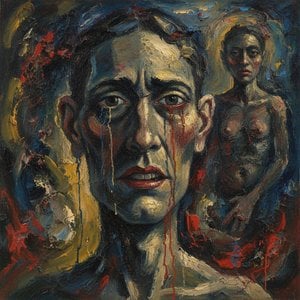
Francis Bacon, et navn synonymt med det mest rå følelsesmæssige udtryk i det 20. århundredes kunst, blev født i Dublin, Irland, i 1909, men hans kunstneriske ånd fandt sit sandeste udtryk i det turbulente landskab i efterkrigstidens Storbritannien. Hans tidlige liv var langt fra stabilt; hyppige flytninger på grund af moderens helbred indpodede en følelse af rodløshed, der dybt formede hans verdenssyn og i sidste ende gennemsyrede hans lærreder. Et komplekst forhold til sin strenge far og et tæt bånd til hans barnepige, Jessie Lightfoot, farvede yderligere det emotionelle terræn i hans formative år. I første omgang tiltrukket af hestevæddeløb og et liv med hasardspil drev Bacon rundt i forskellige beskæftigelser, før han endelig dedikerede sig til maleriet i slutningen af tyverne – en forsinket start, der måske intensiverede hastigheden og intensiteten i hans senere arbejde. Han var ikke formelt uddannet, men smedede sin egen vej, absorberede påvirkninger fra forskellige kilder og udviklede et unikt urovækkende visuelt sprog.
Krydspunktet af Tidlige Påvirkninger
Bacons kunstneriske opvågnen var ikke umiddelbar, men snarere en gradvis ophobning af indtryk. Værkerne af Pablo Picasso, især de forvrængede figurer fra hans tidlige kubistiske periode, viste sig at være afgørende for at befri ham fra traditionel repræsentation. Han fandt yderligere inspiration i Egon Schieles hjemsøgende fotografi, hvis ekspressive forvridninger af den menneskelige form resonerede med Bacons egen spirende fascination af eksistensens skrøbelighed og sårbarhed. Men det var et tilfældigt møde med Sergei Eisensteins film *Panserkrydseren Potemkin*, der gav en afgørende katalysator. Filmens viscerale billeder, især et nærbillede af et skrigende ansigt, blev et vedvarende motiv i Bacons arbejde og repræsenterede primal terror og dybderne af menneskelig lidelse. Han beundrede også de gamle mestre, bemærkelsesværdigt Diego Velázquez, hvis *Portræt af Pave Innocent X* han berømt ville genfortolke gennem hele sin karriere og forvandle den autoritative pavefigur til et plaget spøgelse. Disse påvirkninger var ikke blot stilistiske appropriationer; de blev absorberet og omdannet gennem Bacons egen unikke følsomhed, hvilket resulterede i en kunstnerisk vision, der både var dybt personlig og universelt genkendelig.
Smedning af en Signaturstil: Forvrængning og Isolation
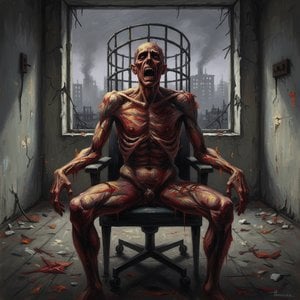
Bacons gennembrud kom med *Tre studier til figurer ved korsfæstelsens fod* (1944), et værk, der chokerede og fangede publikum i efterkrigstidens London. Dette triptychon fastlagde hans signaturstil – forvrængede, fragmenterede figurer isoleret inden for klaustrofobiske rum. Disse var ikke skildringer af religiøs martyrdom, men snarere viscerale udforskninger af menneskelig angst, frataget enhver trøstende fortælling eller åndelig lindring. Hans malerier har ofte slørede eller opløsende former, der formidler en følelse af psykologisk uro og fysisel sårbarhed. Han anvendte hyppigt geometriske strukturer – bure, kasser – til at indeslutte sine motiver og understrege deres isolation og magtesløshed. Bacons palet var typisk dæmpet og dyster og afspejlede de mørke temaer, han udforskede, men blev punkteret af udbrud af intens farve, der forstærkede den følelsesmæssige virkning. Brugen af disse bure var ikke blot en kompositionel anordning; det symboliserede de iboende begrænsninger og tvang, der pålægges menneskelig eksistens. Han søgte at fange ikke kun *hvordan* ting så ud, men *hvordan de føltes*, oversatte indre tilstande af angst, frygt og fortvivlelse til lærredet med brutal ærlighed.
Temaer om Dødelighed, Angst og den Menneskelige Tilstand
Gennem sin produktive karriere vendte Bacon gentagne gange tilbage til visse motiver: korsfæstelsen som et symbol på lidelse; portrætter, der dykkede ned i den psykologiske intensitet af sine motiver, ofte venner og elskere som George Dyer; og selvportrætter, der tjente som introspektive udforskninger af identitet og dødelighed. Hans *Studie efter Velázquez' Portræt af Pave Innocent X* (1953)-serie er måske en af hans mest ikoniske præstationer, der forvandler Velázquez' værdige portræt til et skrigende spøgelse, der legemliggør eksistentiel rædsel. Portrætterne af George Dyer, hans volatile elsker, er særligt gribende og fanger både intensiteten i deres forbindelse og den truende skygge af tragedie. Bacons arbejde handlede ikke om at skildre specifikke individer; det handlede om at udforske universelle temaer om menneskelig sårbarhed, isolation og uundgåeligheden af døden. Han undgik ikke eksistensens mørkere aspekter, men konfronterede dem direkte og tvang seerne til at konfrontere deres egen dødelighed og angst.
En Varig Arv: Udfordring af Konventioner
Francis Bacons indflydelse på det 20. århundredes kunst er uomtvistelig. Han udfordrede traditionelle forestillinger om repræsentation, afviste idealiseret skønhed til fordel for en rå, ubarmhjertig fremstilling af den menneskelige tilstand. Hans arbejde påvirkede dybt generationer af kunstnere og banede vejen for nye udtryksformer og udfordrede konventionelle kunstneriske grænser.
- Efterkrigstidens Ekspressionisme: Bacon betragtes som en nøglefigur i denne bevægelse, der påvirkede kunstnere med sin dristige stil og psykologiske dybde.
- Auktionsrekorder & Museumsudstillinger: Hans malerier fortsætter med at kræve høje priser på auktion og udstilles på store museer over hele verden, hvilket befæster hans plads i kunsthistorien.
- Konfrontering af Sandheder: Bacons arv ligger i hans evne til at konfrontere ubehagelige sandheder om menneskelig eksistens og oversætte disse oplevelser til kraftfulde og uforglemmelige billeder.
På trods af et turbulent personligt liv præget af hasardspil, drikkeri og komplekse forhold forblev han dedikeret til sin kunst indtil sin død i 1992. Han efterlod sig et værk, der fortsætter med at resonere hos publikum i dag og minder os om eksistensens skrøbelighed og kunstenes varige kraft til at konfrontere sjælens mørkeste hjørner.
Hans malerier er ikke blot billeder; de er viscerale oplevelser – et vidnesbyrd om kunstenes vedvarende kraft til at provokere, forstyrre og i sidste ende belyse kompleksiteten af det at være menneske.



 Se i rummet
 Bestil håndmalet reproduktion
 Send
Send Del
Del
 Detaljer
 Guide
Guide

 Download
 Lignende værker
 Røntgenundersøgelse
 Se diasshow
 Statistik
 Læs mere






































 Glasmulighed er kun tilgængelig i størrelser under 110 cm