Fra Angelicos Liv og Åndelige Udvikling
Giovanni da Fiesole, bedre kendt som Fra Angelico eller Beato Angelico, blev født omkring 1395 i de toscanske bakker nær Firenze. Hans tidlige liv er omgivet af en blid hemmelighedskrans, der synes passende for en kunstner, hvis værker skulle blive synonyme med æterisk skønhed og dyb åndelighed. Meget lidt vides om hans familie eller barndom, men det antages, at han modtog en solid uddannelse, der forberedte ham på et liv ud over Rupesanas beskedne oprindelse. Et afgørende øjeblik kom, da den unge Giovanni trådte ind i Dominikanerordenen i Fiesole og omfavnede et liv med religiøs kontemplation og tjeneste. Det var inden for klostermurene, at han modtog navnet Fra (Bror) Angelico, et tilnavn, der snart skulle afspejle ikke kun hans munkeløfter, men også den engelagtige kvalitet, der lå indlejret i hans kunst. Oprindeligt betroet opgaven med at illuminere manuskripter – en omhyggelig håndværkskunst, der krævede præcision og levende farver – finpudsede han færdigheder, der senere skulle blomstre til betagende fresker og panelmalerier. Denne tidlige træning indpodede i ham en dyb respekt for detaljer, et mesterskab over pigmenter og en forståelse af, hvordan man formidlede fortællinger gennem visuel historiefortælling. Dominikanerordenens vægt på teologisk studium formede utvivlsomt hans kunstneriske vision og indgav hans arbejde en dyb følelse af tro og formål.
Den Unikke Stils Udblomstring
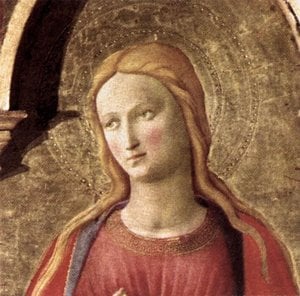
Fra Angelicos kunstneriske udvikling fandt ikke sted i isolation; han absorberede strømningerne inden for den florentinske malerkunst, der cirkulerede på det tidspunkt. Den elegante linearitet og dekorative mønstre hos Lorenzo Monaco, en førende maler fra æraen, er tydelige i hans tidlige værker. Men Fra Angelico efterlignede ikke blot sin forgænger. Han begyndte at syntetisere disse indflydelser med et spirende naturalisme, sandsynligvis inspireret af eksponeringen for Masaccios banebrydende fresker. Mens Masaccio revolutionerede maleriet med sit dramatiske brug af perspektiv og realistisk fremstilling af den menneskelige form, valgte Fra Angelico en anden vej. Han omfavnede perspektivet ikke for dets egen skyld, men som et middel til at skabe en mere fordybende åndelig oplevelse. Hans figurer, selvom de er graciøse og ofte idealiserede, besidder en stille værdighed og følelsesmæssig resonans, der overskrider blot repræsentation. Afgørende var det, at hans kunst var uløseligt forbundet med hans tro; han så maleriet ikke som et erhverv, men som en handling af bøn – en måde at kontemplere det guddommelige og gøre det synligt for andre. Denne dybt holdte overbevisning indgav hvert penselstrøg ærbødighed og oprigtighed.
Mesterskaber af Tro og Farve
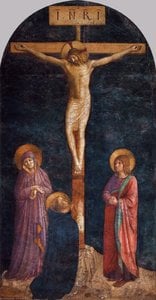
Fra Angelicos kunstneriske arv er forankret i flere monumentale værker, der fortsætter med at inspirere ærefrygt århundreder senere. Freskoerne inden for San Marco-klosteret i Firenze betragtes bredt som hans mesterværk. Bestilt til det dominikanske kloster udstråler disse scener fra Kristi liv en rolig enkelhed og følelsesmæssig dybde, der sjældent opleves i renæssancemaleri. Hvert billede – fra Fortællingen om Befrugtningen til Korsfæstelsen – er gennemsyret af en følelse af stille kontemplation og inviterer seerne ind i et personligt møde med den hellige fortælling. Ud over San Marco viser hans *Perugia-altertavle* hans udviklende stil, især i sin delikate skildring af Fortællingen om Befrugtningen. Det tilbagevendende tema om Fortællingen om Befrugtningen optræder i adskillige versioner gennem hele hans oeuvre, hver gengivet med æterisk skønhed og symbolsk rigdom. Værker som *St. Laurentius giver Almisse* demonstrerer hans evner inden for fortællekomposition og hans evne til at fremstille menneskelige følelser med følsomhed og ynde. Hans palet er kendetegnet ved lyse, klare farver – blå, guld og røde – der synes at skinne indefra og skabe en atmosfære af overjordisk glans.
Arv og Varig Indflydelse
Fra Angelico står som en central figur i den tidlige renæssance og indkapsler æras fusion af religiøs hengivenhed og kunstnerisk innovation. Han var ikke blot en maler; han var en åndelig visionær, der oversatte sin tro til visuel form. Hans arbejde afspejler periodens humanistiske idealer og understreger menneskelig værdighed og potentialet for åndelig kontemplation. Giorgio Vasari, den berømte kunsthistoriker, roste Fra Angelico i sine *Liv*, idet han erklærede, at ingen mængde ros kunne fange skønheden i hans kreationer tilstrækkeligt. Denne anerkendelse cementerede hans plads inden for vestlig kunsts kanon. Hans indflydelse strakte sig langt ud over sin egen tid og inspirerede generationer af kunstnere med sin fromme stil og mesterlige brug af farver. I 1982 anerkendte Pave Johannes Paul II officielt Fra Angelicos hellighed ved at saligbremse ham – et vidnesbyrd om den dybe åndelige indvirkning fra hans liv og arbejde. I dag fortsætter hans kunst med at resonere hos seere over hele verden og tilbyder en tidløs besked om tro, håb og skønhed.
Hvor man kan opleve hans Kunst
- Museo di San Marco, Firenze: Dette museum huser den største og mest betydningsfulde samling af Fra Angelicos værker, herunder de betagende fresker fra klosteret.
- Louvre Museum (Paris): Flere vigtige malerier af Fra Angelico kan findes i Louvres omfattende samling.
- The National Gallery (London): The National Gallery har et udvalg af hans værker og giver besøgende et indblik i hans kunstneriske geni.
- Santa Maria sopra Minerva, Rom: Denne kirke indeholder fresker af Fra Angelico og er stedet, hvor han officielt blev saligbremset.
- Talrige andre museer over hele verden udstiller også eksempler på hans kunst og giver mulighed for en bredere værdsættelse af hans varige arv.



 Se i fuld skala
 Køb håndlavet maleri
 Del
Del Del
Del
 Detaljer

 Download
 Lignende værker
 Røntgenundersøgelse
 Diasshow
 Statistik

 Se mere






































 Glasmulighed er kun tilgængelig i størrelser under 110 cm