Kunstnerbiografi
Fernand Léger: En Pionerers Verden
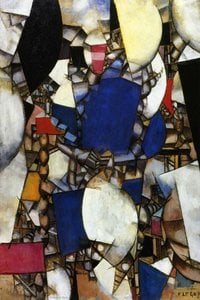
Fernand Léger, født Joseph Fernand Henri Léger i Argentan, Normandiet i 1881, er en afgørende figur i udviklingen af moderne kunst. Hans rejse fra landbrugsbyens marker til Paris’ avantgarde kredse er et vidnesbyrd om en urokkelig kunstnerisk vision og en vedholdende stræben efter at fange ånden i maskintiden. I modsætning til mange af sine samtidige, der søgte abstraktion som en flugt fra repræsentation, ønskede Léger at *integrere* moderniteten – dens dynamik, dens mekaniske former, dens essens – ind i et nyt visuelt sprog, der var både kraftfuldt abstrakt og dybt rodfæstet i den observerbare verden. Hans tidlige liv, præget af fysisk arbejde på landet, gav en stærk kontrast til den industrialiserede fremtid, han så passioneret portrætterede. I første omgang var Léger sat på vej mod arkitektur, men hans vej ændrede sig mod maleri efter at han flyttede til Paris omkring 1900 og tjente sit levebrød som tegner. Denne periode var præget af akademisk træning, men det var først ved at møde Cézannes banebrydende arbejde i 1907, at en reel transformation begyndte at tage form.
Tubismens Fødested og Den Gyldne Sektion
Cézannes retrospektiv i 1907 fungerede som en katalysator, der befriede Léger fra konventionel repræsentation og skubbede ham mod et mere geometrisk og strukturelt tilgang. Han begyndte at nedbryde former, analysere deres underliggende strukturer og genopbygge dem på lærredet med en ny vægt på soliditet og volumen. Denne udforskning førte hurtigt ham ind i Cubismens kredse, men Léger var ikke tilfreds med blot at kopiere Picasso’s eller Braques’ stilarter. I stedet udviklede han sin egen distinkte idiom – en personlig form for Cubisme, som kritikere legende kaldte “Tubism”. Karakteriseret ved cylindriske former, flade planer og dristige farvekontraster, fejrede Tubism maskinæstetikken længe før det blev en udbredt kunstnerisk optagelse. Det var et kunstværk født ud fra observationen af den voksende industrielle verden, der søgte skønhed i dens funktionelle former og mekaniske rytmer. Denne periode så Léger aktivt deltage i avantgardescenen, hvor han forenede sig med kunstnere som Jean Metzinger, Henri Le Fauconnier, Francis Picabia og Marcel Duchamp inden for Puteaux Gruppen, også kendt som Den Gyldne Sektion. Gruppen udforskede matematiske principper for harmoni og proportioner og søgte at indgyde deres kunst med en følelse af orden og rationalitet. Deres kollektive undersøgelser pressede grænserne for kunstnerisk udtryk og lagde grundlaget for fremtidige udviklinger inden for abstrakt kunst.
Krig, Mekanisering og En Ny Æstetik
Første Verdenskrig havde en dybtgående indvirkning på Légers liv og arbejde. At tjene ved fronten fra 1914 til 1916 udsatte ham for de brutale realiteter af moderne krig – artilleriild, luftkamp og den dehumaniserende effekt af mekaniserede konflikter. Denne oplevelse førte ikke til disillusionment eller en afvisning af moderniteten; snarere befæstede den hans fascination over for maskiner og deres magt. Tegninger lavet under hans tjeneste dokumenterede det stærke lys på metal, der blev skabt af militære instrumenter, og omdannede våben til emner for kunstnerisk betragtning. Efter krigen gennemgik Légers æstetik en yderligere udvikling. Hans malerier begyndte at afspejle en mere strømlinjet, mekanisk sanselighed, der fejrede den moderne verdens dynamik og effektivitet. *Soldat med Pibe* (1916) illustrerer denne skift, der viser forenklede former og dristige farver, der fremkalder følelsen af mekanisk præcision. Dette var ikke blot et æstetisk valg; det var en filosofisk erklæring – en bekræftelse af modernitetens potentiale for fremskridt og genopstandelse, selv i kølvandet på ødelæggende konflikter.
Arv og Varig Indflydelse
I sine efterårsvintre fortsatte Léger at udforske tværsnittet mellem kunst og industri, skabte værker der fejrede moderne liv med en unik blanding af abstraktion og figurativitet. Hans *Landskaber i Bevægelse* serie fra 1921 viste figurer og dyr, der sømløst var integreret i strømlinjede kompositioner, der udvisker grænserne mellem organisk og uorganisk form. Han eksperimenterede også med skulptur og filmkunst, udvidede sin kunstneriske praksis ud over de traditionelle maleriets rammer. Légers indflydelse på efterfølgende generationer af kunstnere er uomtvistelig. Hans dristige forenkling af formen, hans omfavnelse af industrielle billeder og hans fejring af populærkulturen forudså fremkomsten af Pop Art årtier senere. Kunstnere som Roy Lichtenstein og Andy Warhol skylder en klar gæld til Légers banebrydende arbejde. Han brolagde mellem abstrakt kunst og figurativ repræsentation, demonstrerede at det var muligt at skabe værker der var både intellektuelt stærke og visuelt engagerende. I dag er Fernand Légers malerier udstillet i store museer over hele verden, herunder Musée d'Art et d’Histoire i Frankrig og Musée National Fernand Léger, dedikeret udelukkende til hans arbejde. Han forbliver en fremtrædende figur i det 20. århundredes kunst – en visionær der modigt fandt skønhed i maskintiden og oversatte dens energi på lærredet med upåtrotelig dristighed og originalitet. *En sand pioner hvis arbejde fortsat resonerer hos publikum i dag.*



 Se i rummet
 Skift til printversion
 Send
Send Del
Del
 Detaljer
 Guide
Guide

 Download
 Lignende værker
 Røntgenundersøgelse
 Se diasshow
 Statistik

 Læs mere