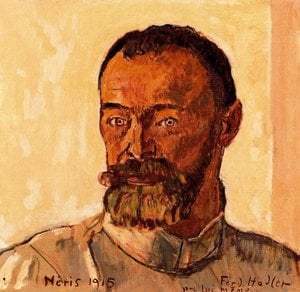
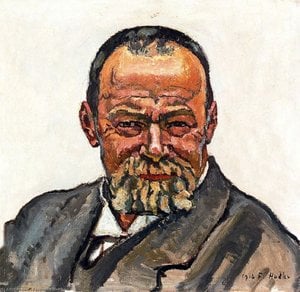
Ferdinand Hodler: En Schweizisk Symbolist i Kontrast til Livets Foranderlighed
Ferdinand Hodler, et navn der er uløseligt forbundet med det schweiziske landskab og sproget hos symbolismen, steg fra ydmyge begyndelser til at blive en af de mest betydningsfulde kunstnere i det sene 19. og tidlige 20. århundrede. Han blev født i Bern, Schweiz, i 1853, og hans liv var dybt præget af tidlig tab – et tilbagevendende tema, der ville gennemskære hans kunstneriske vision. De uretidige dødsfald af sin far og to yngre brødre før han nåede teenageårene kastede en lang skygge over ham, og indgydte i ham en dyb refleksion over dødelighed og livets flygtende natur. Disse oplevelser, sammenfiltret med en skarp følsomhed over for naturens skønhed og magt, blev centrale principper i hans udviklende oeuvre. I første omgang ansat som dekorationsmaler, transcenderede Hodlers indbyggede talent hurtigt blot håndværk; han længte efter formel uddannelse og kunstnerisk udforskning ud over de begrænsninger, der var forbundet med kommerciel arbejde. Denne ambition førte ham til Genève i 1871, hvor han fordybede sig i studier, deltog i videnskabelige foredrag sideløbende med at omkopiere mesterværker på byens museum – en streng uddannelse, der lagde grundlaget for hans fremtidige innovationer.
Fra Realisme til ‘Parallelisme’: Skabelsen af En Unik Vision
Hodlers kunstneriske rejse var præget af konstant udvikling og en vedholdende stræben efter udtryksevne. Hans tidlige værker afspejlede den herskende realistiske stil på det tidspunkt – portrætter, landskaber og genrebilleder udført med omhyggelig detalje. Men han fandt hurtigt sig selv begrænset af disse konventioner, søgende efter en måde at udtrykke dybere følelser og filosofiske ideer på. Denne søgen førte ham mod symbolismen, en bevægelse der forkyndte naturtro repræsentation til fordel for subjektiv erfaring og suggestive billeder. Alligevel adopterede Hodler ikke blot symbolismens dogmer; i stedet skabte han sin egen unikke vej, udviklende hvad han kaldte “parallelisme”. Denne distinkte stil involverede at arrangere figurer og former i rytmiske, næsten geometriske mønstre – skabelsen af en følelse af både harmoni og spænding – en visuel repræsentation af sammenhængen mellem alle ting. Det var et forsøg på at gengive ikke blot *hvad* han så, men *hvordan* han følte – de underliggende følelsesmæssige strømme, der forbundne alle ting. *Natten* (1890), en af hans mest berømte værker, markerede et afgørende vendepunkt, og signalerede ankomsten af en virkelig original stemme. Den oprindelige kontrovers omkring maleriet, med sin antydning af død og ro, cementerede Hodlers position som en førende figur i europæisk kunst.
Landmærker i Maleri: Nøgleværker og Deres Betydning
I løbet af sin produktive karriere skabte Hodler et bemærkelsesværdigt kunstværk, der fortsat resonerer hos publikum i dag. *Dagen* (1893) er et af hans mest ambitiøse og fejrede præg – et monumentalt historisk maleri, der viser hans mesterskab inden for komposition og symbolisme. Huseret på Kunstmuseum Zürich, er dette værk en kraftfuld meditation over liv, død og genfødsel, gengivet med en slående blanding af realisme og visionær intensitet. *Dagens* enorme skala og følelsesmæssige vægt cementerede Hodlers position som en fremtrædende figur i europæisk kunst. Andre bemærkelsesværdige værker omfatter utallige billeder af de schweiziske Alper, fyldt med en følelse af betagende storhed, og portrætter, der afslører hans dybe forståelse for menneskelig psykologi. Han genbesøgte ofte temaer om tab og sorg, måske som et udtryk for sine egne barndomstraumer, men infunderede dem altid med en følelse af værdighed og modstandskraft. Hans malerier var ikke blot repræsentationer; de var følelsesmæssige landskaber, der inviterede seerne til at reflektere over livets fundamentale spørgsmål. Værker som *Sandheden II* (1897) demonstrerer Hodlers evne til at blande klassiske former med moderne sansninger og skabe billeder, der er både tidløse og slående nutidige – et vidnesbyrd om hans innovative ånd.
En Varig Arv: Indflydelse og Historisk Kontekst
Ferdinand Hodlers indflydelse spredte sig langt ud over Schweiz’ grænser. Hans innovative brug af symbolisme og udviklingen af “parallelisme” banede vejen for expressionismen, med dets fokus på subjektiv følelse og forvrængede former. Kunstnere, der fulgte i hans fodspor, anerkendte ham som en præcursor til deres egne udforskninger af indre erfaring. Hodlers arbejde resonerede også med bredere kulturelle strømme i det sene 19. og tidlige 20. århundrede – en periode kendetegnet ved hurtige sociale forandringer, videnskabelige fremskridt og en voksende følelse af eksistentiel angst. Hans malerier tilbød et visuelt sprog til at håndtere disse komplekse spørgsmål og gav trøst og indsigt i en verden, der blev mere og mere usikker. I dag bevares Hodlers værker i store museer over hele Europa og udover, hvilket sikrer, at hans kunstneriske vision fortsætter med at inspirere og udfordre generationer af seere. Han forbliver en fremtrædende figur i schweizisk kunsthistorie, fejret ikke kun for sin tekniske dygtighed, men også for hans dybe følelsesmæssige dybde og hans urokkelige engagement i at udforske menneskehedens mysterier.
Udforskning af Hodler Yderligere



 Se i rummet
 Skift til printsalg
 Del som kort
 Del
Del
 Detaljer
 Guide
Guide

 Download
 Lignende værker
 Røntgenundersøgelse
 Diasshow
 Q&A
Q&A Statistikker


 Vis mere






































 Glasmulighed er kun tilgængelig i størrelser under 110 cm