En kartograf af samtidskulturen: Douglas Couplands liv og kunst
Douglas Coupland trådte ind på den kulturelle scene i begyndelsen af 1990'erne, ikke blot som romanforfatter, men som en diagnostiker af en hel æra. Han blev født den 30. december 1961 på en canadisk militærbase i Baden-Söllingen, Tyskland, og hans opvækst var præget af konstante flytninger, før han endte i Vancouver, Canada – en by, der skulle forme hans kunstneriske sansabilitet dybtgående. Denne tidlige erfaring gav ham et skarpt observatørblik, fintunet til de subtile skift og den angst, der følger med det moderne liv. Selvom han oprindeligt studerede skulptur på Emily Carr College of Art and Design, fandt Coupland sit sande kald ikke i at forme fysiske objekter, men i at artikulere de immaterielle teksturer af den samtidige eksistens gennem ord og senere gennem en fascinerende sammensmeltning af visuel kunst og digital teknologi. Han nøjedes ikke blot med at reflektere kulturen; han gav den navn og gav stemme til de uudtalte følelser hos en generation, der drev hvileløst rundt i en verden i hastig acceleration.
Fra Generation X til visuel kommentar
Couplands store gennembrud kom med udgivelsen af
Generation X: Tales for an Accelerated Culture i 1991. Romanen var ikke blot en litterær succes; den var et kulturelt fænomen, der skabte et begreb, som øjeblikkeligt resonerede hos millioner af mennesker, der kæmpede med identitet og formål i skyggen af det postindustrielle samfund. Udtryk som ”McJob” trådte ind i sproget og blev en betegnelse for den usikkerhed og fremmedgørelse, der prægede arbejdet i slutningen af det 20. århundrede. Men Couplands ambition rakte langt ud over blot at mærke en generation. Han var optaget af at udforske det psykologiske landskab i en verden mættet med medier, forbrug og teknologisk forandring. Denne udforskning stoppede ikke ved litteraturen. Han bevægede sig sømløst over i den visuelle kunst, drevet af et ønske om at udtrykke sine idéer gennem forskellige medier. Hans kunstneriske praksis er bemærkelsesværdig mangfoldig og omfatter maleri, skulptur, fotografi og design – alt sammen forenet af en gennemgående tematisk tråd: en undersøgelse af det moderne liv. Med 13 romaner, to novellesamlinger, syv faglitterære bøger og adskillige manuskripter til film og tv har han demonstreret en utrolig skaberkraft.
QR-kodernes sprog og tabets tyngde
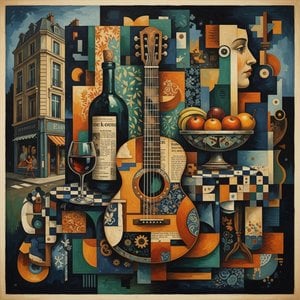
Couplands visuelle kunst er kendetegnet ved en unik blanding af abstraktion, referencer til popkultur og teknologisk innovation. Mest bemærkelsesværdigt er han blevet kendt for sine serier, der integrerer QR-koder i malerierne. Disse er ikke blot dekorative elementer; de fungerer som portaler til skjulte lag af betydning, der inviterer beskueren til aktivt at interagere med værket via deres smartphones. Ved at scanne disse koder afsløres korte kommentarer, hvilket tilføjer en ekstra dimension til den visuelle oplevelse – et vidnesbyrd om Couplands fascination af krydsfeltet mellem kunst og teknologi. Udover denne innovative teknik bearbejder hans arbejde ofte dybe temaer som tab og dødelighed.
Dead Grads Series er for eksempel en rørende hyldest til unge liv, der tragisk blev afbrudt, hvor hvert maleri bærer titler som ”Gun”, ”Car Crash” og ”Overdose” – barske påmindelser om livets skrøbelighed og sorgens vedvarende kraft.
Silver Boogeyman, et slående værk, der afslører ansigtet af Osama bin Laden, når det ses gennem en smartphone-skærm, eksemplificerer hans evne til at provokere tanken og udfordre perceptionen, hvilket tvinger beskueren til at konfrontere ubehagelige sandheder om verden efter 9/11.
Skulpturelle budskaber og national identitet
Couplands kunstneriske vision strækker sig ud over det todimensionelle lærred og ind i skulpturens verden.
The Ice Storm, en monumental stålstruktur, står som en kraftfuld refleksion over canadisk identitet og sårbarhed. Skulpturens form fremkalder både styrke og skrøbelighed og spejler kompleksiteten i nationens historie og dens forhold til naturen. Hans mixed media-collager, såsom
God, demonstrerer hans mesterskab inden for lagdeling og grafisk design, hvor han inddrager symbolske elementer som ”Lord Jim” og et geometrisk ’D’ for at skabe visuelt fængslende kompositioner, der inviterer til mange fortolkninger. Disse værker er ikke blot æstetiske objekter; de er intellektuelle puslespil, der kræver aktiv deltagelse fra beskueren. Hans arbejde har været udstillet på prestigefyldte steder som Vancouver Art Gallery og McMichael Canadian Art Collection, hvilket har cementeret hans position som en betydningsfult skikkelse i samtidskunsten.
En arv af observation og innovation
Douglas Couplands bidrag til både litteratur og visuel kunst har bragt ham bred anerkendelse, herunder udnævnelsen til Officer of the Order of Canada og medlemskab af Order of British Columbia. Han forbliver en vital stemme i canadisk kunst og kultur, kendt for sine indsigtsfulde observationer, sin innovative kunstneriske udfoldelse og sin vilje til at tackle komplekse sociale og kulturelle spørgsmål. Hans værk fortsætter med at resonere hos et globalt publikum og skaber dialog om samtids kultur, teknologi og den menneskelige tilstand. Coupland er ikke blot en kunstner; han er en kulturel kartograf, der kortlægger det evigt skiftende terræn i det moderne liv med både præcision og empati. Han har sat et uudsletteligt præg på vores forståelse af os selv og verden omkring os, og sikret sin plads som en af Canadas vigtigste samtidskunstnere.
- Centrale temaer: Generation X, digital kultur, teknologi, tab, identitet, forbrugersamfund, canadisk identitet.
- Indflydelser: Popkunst, minimalisme, konstruktivisme, japansk erhvervsvidenskab, samtidslitteratur.



 Se i rummet
 Skift til printversion
 Send
Send Del
Del
 Detaljer
 Studieguide til kunstværker

 Download
 Lignende værker
 Røntgenundersøgelse
 Se diasshow
 Statistik


 Læs mere






































 Glasmulighed er kun tilgængelig i størrelser under 110 cm