Kunstnerbiografi
Et Liv Smedet i Skygge og Lys
Michelangelo Merisi da Caravaggio, et navn synonymt med den barokkes dramatiske intensitet, blev født i Milano i 1571, en periode præget af både kunstnerisk blomstring og samfundsmæssig uro. Hans tidlige liv var mærket af tab; pest hærgede hans hjemby, tog livet af hans far og bedstefar, da han kun var seks år gammel. Opvokset under relativ fattigdom indgydte Michelangelos formative år ham en skarp bevidsthed om menneskelig lidelse og modstandskraft – temaer, der senere skulle dominere hans lærreder. Han begyndte sin kunstneriske uddannelse i Milano under Simone Peterzano, en tidligere elev af Tizian, hvor han absorberede det renæssancemæssige techniques grundlæggende principper, men allerede antydede et oprørsk sind, der snart skulle knuse konventionelle normer. Denne lærlingeuddannelse gav et solidt fundament, men det var i Rom omkring 1592, at Caravaggio virkelig fandt sin stemme, om end ikke uden indledende kamp og modgang. Byen, et pulserende centrum for kunstnerisk patronage og religiøs glød, viste sig både lokkende og ubarmhjertig overfor den ambitiøse unge maler.
En Revolutionerende Vision: Teknik og Stil
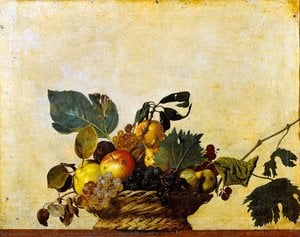
Caravaggios ankomst til Rom varslede et seismisk skift i det italienske kunstlandskabs udstrækning. Han afviste den fremherskende manieristiske stil – karakteriseret ved dens kunstige elegance og aflange former – til fordel for en kompromisløs realisme, der chokerede og fængslede publikum. Hans mest definerende innovation var hans mesterlige brug af chiaroscuro, den dramatiske kontrast mellem lys og mørke, som han hævede til et nyt niveau af udtryksfuld kraft. Denne teknik, ofte omtalt som tenebrisme, var ikke blot et æstetisk valg; det var et middel til at intensivere følelsesmæssig virkning, trække seerne ind i scenens hjerte og give hans figurer en håndgribelig fornemmelse af nærvær. Han fraskrev sig idealiserede fremstillinger og befolkedede sine malerier med almindelige mennesker – ofte hentet fra Roms gader – som modeller for religiøse figurer. Denne radikale tilgang udfordrede traditionelle forestillinger om skønhed og hellighed, hvilket gjorde det hellige relaterbart og dybt menneskeligt. Hans kompositioner var ofte nøgne og direkte, fokuseret på afgørende øjeblikke af intens drama, hvad enten det var den brutale realisme i “Kristi fangst” eller den stille kontemplation i “Sankt Frans af Assisi i ekstase”.
Nøgleværker og Varig Indflydelse
Gennem sin relativt korte karriere producerede Caravaggio et værk, der fortsat genlyder hos publikum i dag. Tidlige værker som “Spåkonen” (1594) demonstrerer hans spirende talent for at fange realistiske detaljer og psykologisk nuance. “Emmaus’ nadver” (1601-1602), der findes på National Gallery i London, er et eksempel på hans beherskelse af chiaroscuro og evnen til at formidle dyb følelsesmæssig dybde inden for en bibelsk fortælling. “David med Goliat’s hoved” (ca. 1610) er særligt hjemsøgende, ofte fortolket som et selvportræt, der afspejler Caravaggios egen problematiske tilstand. Hans indflydelse strakte sig langt ud over Italien og inspirerede en generation af kunstnere kendt som Caravaggisterne eller “skyggemalerne”, der adopterede hans stil i hele Europa. Bemærkelsesværdige efterfølgere omfattede Peter Paul Rubens, Jusepe de Ribera og Gerrit van Honthorst, der hver tilpassede Caravaggios teknikker til deres egne unikke kunstneriske visioner.
Et Tumultarisk Eksistens og Vedvarende Arv
Caravaggios liv var lige så dramatisk og turbulent som hans kunst. Et ustabilt temperament og en forkærlighed for slagsmål førte ham ofte i problemer med loven, hvilket kulminerede i en mordcharge i 1606, der tvang ham til at flygte fra Rom. De næste fire år vandrede han gennem Napoli, Malta og Sicilien, fortsatte med at male, mens han desperat søgte en pavelig benådning. På trods af sine bestræbelser forblev han lovløs, hjemsøgt af sin fortid og plaget af personlige konflikter. Han døde i Porto Ercole, Italien, i 1610 under mystiske omstændigheder – årsagen til hans død er stadig genstand for debat, med teorier der spænder fra feber til forgiftning. Selvom hans liv blev kort, består Caravaggios kunstneriske arv som et vidnesbyrd om hans revolutionerende vision og urokkelige engagement i realismen. Han udfordrede konventionerne i sin tid, banede vejen for en mere moderne tilgang til maleri og satte et varigt præg på vestlig kunsthistorie. Hans arbejde fortsætter med at inspirere ærefrygt og fremprovokere kontemplation, hvilket minder os om kunsten kraft til at belyse de mørkeste hjørner af den menneskelige oplevelse.



 Se i rummet
 Skift til printsalg
 Del som kort
 Del
Del
 Detaljer
 Guide
Guide

 Download
 Lignende værker
 Røntgenundersøgelse
 Diasshow
 Q&A
Q&A Statistikker
 Vis mere






































 Glasmulighed er kun tilgængelig i størrelser under 110 cm