Se i rummet Se i AR Køb håndmalet maleri Skift til digitalt billede Del som kort
Detaljer Guide Tilføj til favoritter Download Lignende værker Røntgenundersøgelse Diasshow Spørgsmål og svar Præsentation Statistikker

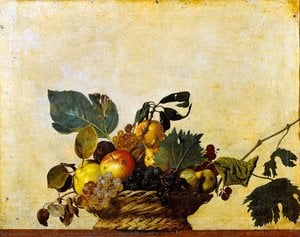
The Fortune Teller (detail)

Oplev Caravaggio (1571-1610): Barokkens mester i realisme & tenebrisme. Dramatiske religiøse scener, intens chiaroscuro og en revolutionerende stil.

Giclée / Kunsttryk

Giclée- eller lærredstryk i museumskvalitet med hurtig produktion og fleksible muligheder for finish. ( Køb håndmalet maleri Skift til digitalt billede)

Corner sample of the P118B picture frame: støbt polystyren, 5 cm wide and 3 cm thick
P118B Dkr10
Corner sample of the P118H picture frame: støbt polystyren, 5 cm wide and 3 cm thick
P118H Dkr10
Corner sample of the P118W picture frame: støbt polystyren, 5 cm wide and 3 cm thick
P118W Dkr10
Corner sample of the P438Z picture frame: støbt polystyren, 5.5 cm wide and 3.5 cm thick
P438Z Dkr10
Corner sample of the P508JH picture frame: støbt polystyren, 7 cm wide and 3.5 cm thick
P508JH Dkr12
Corner sample of the P508YH picture frame: støbt polystyren, 7 cm wide and 3.5 cm thick
P508YH Dkr12
Corner sample of the P805H picture frame: støbt polystyren, 5 cm wide and 3.5 cm thick
P805H Dkr10
Corner sample of the P805Z picture frame: støbt polystyren, 5 cm wide and 3.5 cm thick
P805Z Dkr10
Corner sample of the P919BZ picture frame: støbt polystyren, 7 cm wide and 3.5 cm thick
P919BZ Dkr10
Corner sample of the P919G picture frame: støbt polystyren, 7 cm wide and 3.5 cm thick
P919G Dkr10
Corner sample of the P919XJ picture frame: støbt polystyren, 7 cm wide and 3.5 cm thick
P919XJ Dkr10
Corner sample of the P959ZH picture frame: støbt polystyren, 5 cm wide and 3 cm thick
P959ZH Dkr10
Corner sample of the P968JZ picture frame: støbt polystyren, 6 cm wide and 4 cm thick
P968JZ Dkr12
Corner sample of the W106C picture frame: massivt træ, 5 cm wide and 3 cm thick
W106C Dkr8
Corner sample of the W218G picture frame: massivt træ, 5 cm wide and 3 cm thick
W218G Dkr10
Corner sample of the W218JH picture frame: massivt træ, 5 cm wide and 3 cm thick
W218JH Dkr8
Corner sample of the W218Y picture frame: massivt træ, 5 cm wide and 3 cm thick
W218Y Dkr10
Corner sample of the W307PJ picture frame: massivt træ, 6 cm wide and 3 cm thick
W307PJ Dkr10
Corner sample of the W316G picture frame: massivt træ, 6 cm wide and 3 cm thick
W316G Dkr10
Corner sample of the W316PJ picture frame: massivt træ, 6 cm wide and 3 cm thick
W316PJ Dkr8
Corner sample of the W316Y picture frame: massivt træ, 6 cm wide and 3 cm thick
W316Y Dkr10
Corner sample of the W398PJ picture frame: massivt træ, 5 cm wide and 3 cm thick
W398PJ Dkr8
Corner sample of the W4111J picture frame: massivt træ, 6.5 cm wide and 3.5 cm thick
W4111J Dkr10
Corner sample of the W500HY picture frame: massivt træ, 7 cm wide and 5 cm thick
W500HY Dkr15
Corner sample of the W500JH picture frame: massivt træ, 7 cm wide and 5 cm thick
W500JH Dkr15
Corner sample of the W692G picture frame: massivt træ, 8 cm wide and 4 cm thick
W692G Dkr12
Corner sample of the W849H picture frame: massivt træ, 5 cm wide and 3 cm thick
W849H Dkr8
Corner sample of the W940BG picture frame: massivt træ, 7.5 cm wide and 4.5 cm thick
W940BG Dkr15
Corner sample of the W953PJ picture frame: massivt træ, 6 cm wide and 3.5 cm thick
W953PJ Dkr8

Standardstørrelse
speciallavet
CM
INCH

Vælg mellem vores forudindstillede størrelser, der matcher kunstværkets originale proportioner.

bredde
højde

Indtast den bredde og højde, du har brug for, så det passer til din ramme eller din væg. Et print kan kun beskæres, aldrig gøres større end selve billedet, så en størrelse med et andet format vil medføre, at dele af motivet går tabt. Vi sender dig en digital mockup til godkendelse, før vi printer noget. Billedet vist på denne side viser ikke den faktiske beskæring — det er kun mockuppen, der gør.

Verdensomspændende levering () på 2 uger i stedet for de sædvanlige 4/5 uger. (7 november)

Gratis ekspresforsendelse til hele verden
Lærred af linned i høj kvalitet
Fuld transportforsikring
Garanti for refusion af told og importafgifter
Garanti for præcis farvegengivelse
100 dages returret ved fabrikationsfejl
100% fuld returret
Mængderabat ved flere køb

Samlet pris

Dkr 460

The Fortune Teller (detail)

Giclée / Kunsttryk

Størrelse på reproduktion

-

Samlet pris

Dkr 460

Hurtige fakta

  • Notable elements or techniques: Dramatic chiaroscuro
  • Artistic style: Realism
  • Artist: Michelangelo Merisi da Caravaggio
  • Title: The Fortune Teller
  • Location: Musée du Louvre, Paris

Kunstquiz

Der er kun ét korrekt svar på hvert spørgsmål.

Spørgsmål 1:
What is the artist responsible for creating?
Spørgsmål 2:
In which museum can you find this painting?
Spørgsmål 3:
What artistic movement is Caravaggio associated with?
Spørgsmål 4:
The painting depicts a scene of...
Spørgsmål 5:
What technique is Caravaggio known for employing?

A Moment Frozen in Time: Exploring Caravaggio’s “The Fortune Teller”

Michelangelo Merisi da Caravaggio, a name synonymous with the dramatic intensity of Baroque painting, was born in Milan in 1571, a period steeped in both artistic flourishing and societal upheaval. His early life was marked by loss; plague ravaged his hometown, claiming the lives of his father and grandfather when he was just six years old. Raised amidst relative poverty, young Michelangelo’s formative years instilled within him a keen awareness of human suffering and resilience—themes that would later become central to his artistic vision. He began his artistic training in Milan under Simone Peterzano, a former pupil of Titian, absorbing the fundamentals of Renaissance technique but already hinting at a rebellious spirit that would soon shatter conventional norms. This apprenticeship provided a solid foundation, yet it was in Rome, arriving around 1592, that Caravaggio truly found his voice, though not without initial struggle and hardship. The city, a vibrant hub of papal patronage and artistic competition, demanded innovation—a departure from the idealized beauty favored by earlier generations—and Caravaggio responded with unparalleled boldness.

The Painting's Composition: Shadow and Gesture

“The Fortune Teller,” housed at the Musée du Louvre in Paris, is a deceptively simple tableau that encapsulates the essence of Caravaggio’s revolutionary style. Painted circa 1596, it depicts an elderly woman seated before a young man who extends his hand towards hers. The scene unfolds within a dimly lit interior—characteristic of Caravaggio's masterful use of chiaroscuro—where stark contrasts between light and dark sculpt the figures and heighten their emotional impact. This technique wasn’t merely aesthetic; it served to dramatize psychological states, conveying vulnerability and contemplation alongside an unspoken connection. Notice how Caravaggio meticulously renders the folds of fabric and the textures of skin, achieving a remarkable level of realism that defied the prevailing artistic conventions of his time. The positioning of the figures—the woman gazing downwards at her hand, the man reaching upwards—creates a palpable sense of intimacy and anticipation.

Symbolism and Narrative Depth

Beyond its visual brilliance, “The Fortune Teller” is laden with symbolic significance. The gesture of the young man represents hope and aspiration, attempting to illuminate the woman’s inner world – perhaps reflecting on fate or destiny. Caravaggio deliberately avoids explicit narrative detail; instead, he invites viewers to interpret the scene through their own experiences and emotions. The woman's downward gaze speaks volumes about introspection and acceptance—a quiet contemplation of life’s uncertainties. Some scholars suggest that the hand gesture symbolizes a plea for guidance or reassurance, mirroring anxieties prevalent during Caravaggio’s era regarding religious faith and moral responsibility.

Technique: Mastering Chiaroscuro – A Revolutionary Approach

Caravaggio's mastery of chiaroscuro—the dramatic interplay between light and dark—was unparalleled in Baroque art. He achieved this effect not through careful blending but by applying paint thickly, creating palpable textures that seemed to emanate from the canvas itself. This technique wasn’t simply about illumination; it was about conveying emotion and psychological depth. Caravaggio meticulously modeled his figures with subtle gradations of light and shadow, sculpting them as if they were carved from stone—a deliberate departure from the smooth surfaces favored by Renaissance artists. The dramatic lighting casts deep shadows that engulf portions of the scene, emphasizing the contours of the figures and intensifying their expressive power. This masterful manipulation of light contributes significantly to the painting’s haunting atmosphere and its enduring fascination for audiences centuries later.

Emotional Resonance: Capturing Human Vulnerability

“The Fortune Teller” transcends mere representation; it captures a profound moment of human vulnerability—a quiet exchange between two individuals grappling with existential questions. Caravaggio's ability to convey emotion through gesture and expression is remarkable, mirroring the psychological realism that distinguishes his oeuvre. The painting’s subdued palette—dominated by earthy tones—further enhances its contemplative mood, inviting viewers to contemplate themes of fate, intuition, and human connection. It remains a testament to Caravaggio’s genius: an artwork that continues to resonate with audiences today because it speaks directly to the core of our shared experience – confronting uncertainty and seeking solace in moments of quiet contemplation.

Spørgsmål og svar

Kan "The Fortune Teller (detail)" forhåndsvises i augmented reality?

Se "The Fortune Teller (detail)" af Caravaggio på din egen væg via kunstværkets Se i AR-side ved hjælp af augmented reality på en kompatibel enhed.

Opbevares "The Fortune Teller (detail)" af Caravaggio i kunstnerens hjemland?

Nej – kunstværket opbevares i udlandet. Caravaggio blev født i Spanien, og det originale værk "The Fortune Teller (detail)" opbevares på et museum i France.

Hvilken teknik er brugt til "The Fortune Teller (detail)" af Caravaggio?

Caravaggio brugte Acrylic On Canvas-teknikken til "The Fortune Teller (detail)". Teknikken definerer det originale værks materielle karakter.


Kunstnerbiografi

Et Liv Smedet i Skygge og Lys

Michelangelo Merisi da Caravaggio, et navn synonymt med den barokkes dramatiske intensitet, blev født i Milano i 1571, en periode præget af både kunstnerisk blomstring og samfundsmæssig uro. Hans tidlige liv var mærket af tab; pest hærgede hans hjemby, tog livet af hans far og bedstefar, da han kun var seks år gammel. Opvokset under relativ fattigdom indgydte Michelangelos formative år ham en skarp bevidsthed om menneskelig lidelse og modstandskraft – temaer, der senere skulle dominere hans lærreder. Han begyndte sin kunstneriske uddannelse i Milano under Simone Peterzano, en tidligere elev af Tizian, hvor han absorberede det renæssancemæssige techniques grundlæggende principper, men allerede antydede et oprørsk sind, der snart skulle knuse konventionelle normer. Denne lærlingeuddannelse gav et solidt fundament, men det var i Rom omkring 1592, at Caravaggio virkelig fandt sin stemme, om end ikke uden indledende kamp og modgang. Byen, et pulserende centrum for kunstnerisk patronage og religiøs glød, viste sig både lokkende og ubarmhjertig overfor den ambitiøse unge maler.

En Revolutionerende Vision: Teknik og Stil

Caravaggios ankomst til Rom varslede et seismisk skift i det italienske kunstlandskabs udstrækning. Han afviste den fremherskende manieristiske stil – karakteriseret ved dens kunstige elegance og aflange former – til fordel for en kompromisløs realisme, der chokerede og fængslede publikum. Hans mest definerende innovation var hans mesterlige brug af chiaroscuro, den dramatiske kontrast mellem lys og mørke, som han hævede til et nyt niveau af udtryksfuld kraft. Denne teknik, ofte omtalt som tenebrisme, var ikke blot et æstetisk valg; det var et middel til at intensivere følelsesmæssig virkning, trække seerne ind i scenens hjerte og give hans figurer en håndgribelig fornemmelse af nærvær. Han fraskrev sig idealiserede fremstillinger og befolkedede sine malerier med almindelige mennesker – ofte hentet fra Roms gader – som modeller for religiøse figurer. Denne radikale tilgang udfordrede traditionelle forestillinger om skønhed og hellighed, hvilket gjorde det hellige relaterbart og dybt menneskeligt. Hans kompositioner var ofte nøgne og direkte, fokuseret på afgørende øjeblikke af intens drama, hvad enten det var den brutale realisme i “Kristi fangst” eller den stille kontemplation i “Sankt Frans af Assisi i ekstase”.

Nøgleværker og Varig Indflydelse

Gennem sin relativt korte karriere producerede Caravaggio et værk, der fortsat genlyder hos publikum i dag. Tidlige værker som “Spåkonen” (1594) demonstrerer hans spirende talent for at fange realistiske detaljer og psykologisk nuance. “Emmaus’ nadver” (1601-1602), der findes på National Gallery i London, er et eksempel på hans beherskelse af chiaroscuro og evnen til at formidle dyb følelsesmæssig dybde inden for en bibelsk fortælling. “David med Goliat’s hoved” (ca. 1610) er særligt hjemsøgende, ofte fortolket som et selvportræt, der afspejler Caravaggios egen problematiske tilstand. Hans indflydelse strakte sig langt ud over Italien og inspirerede en generation af kunstnere kendt som Caravaggisterne eller “skyggemalerne”, der adopterede hans stil i hele Europa. Bemærkelsesværdige efterfølgere omfattede Peter Paul Rubens, Jusepe de Ribera og Gerrit van Honthorst, der hver tilpassede Caravaggios teknikker til deres egne unikke kunstneriske visioner.

Et Tumultarisk Eksistens og Vedvarende Arv

Caravaggios liv var lige så dramatisk og turbulent som hans kunst. Et ustabilt temperament og en forkærlighed for slagsmål førte ham ofte i problemer med loven, hvilket kulminerede i en mordcharge i 1606, der tvang ham til at flygte fra Rom. De næste fire år vandrede han gennem Napoli, Malta og Sicilien, fortsatte med at male, mens han desperat søgte en pavelig benådning. På trods af sine bestræbelser forblev han lovløs, hjemsøgt af sin fortid og plaget af personlige konflikter. Han døde i Porto Ercole, Italien, i 1610 under mystiske omstændigheder – årsagen til hans død er stadig genstand for debat, med teorier der spænder fra feber til forgiftning. Selvom hans liv blev kort, består Caravaggios kunstneriske arv som et vidnesbyrd om hans revolutionerende vision og urokkelige engagement i realismen. Han udfordrede konventionerne i sin tid, banede vejen for en mere moderne tilgang til maleri og satte et varigt præg på vestlig kunsthistorie. Hans arbejde fortsætter med at inspirere ærefrygt og fremprovokere kontemplation, hvilket minder os om kunsten kraft til at belyse de mørkeste hjørner af den menneskelige oplevelse.
Caravaggio

Caravaggio

1571 - 1610 , Spanien

Kort om kunstneren

  • Bemærkelsesværdige Værker:
    • Fortune Teller
    • Supper at Emmaus
    • David med Goliath
  • Dødsdato: 18. juli 1610
  • Fulde Navn: Michelangelo Merisi da Caravaggio
  • Fødested: Milano, Spanien
  • Fødselsdato: 29. september 1571
  • Kunstnere Der Påvirkede:
    • Titian
    • Leonardo da Vinci
  • Kunstnere/Bevægelser Påvirket:
    • Rubens
    • Ribera
    • Caravaggisti
  • Kunstnerisk Bevægelse: Barok, Tenebrisme
  • Nationalitet: Italiensk
Udforsk kunstværker organiseret efter temaer, stilarter og karakteristika.