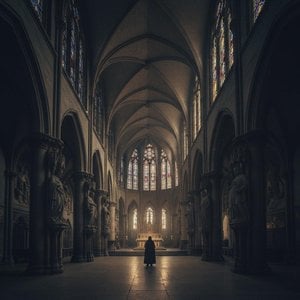
Sankt Georg og dragen (1487) af Bernt Notke, håndmalet oliemalerireproduktion udført af en mesterkunstner
Se i rummet Se i AR Skift til printsalg Skift til digitalt billede Del som kort
Detaljer Guide Tilføj til favoritter Download Lignende værker Røntgenundersøgelse Diasshow Spørgsmål og svar Præsentation Statistikker

Sankt Georg og dragen Håndmalet oliemalerireproduktion

Et monumental træskulptur af Sankt Georg og dragen udført af Bernt Notke i Stockholm Cathedral, Sverige. Et ikonisk værk fra det sene middelalder præget af religiøs pietet og politisk propaganda.

Bernt Notke (c. 1440-1509) was a pivotal Late Gothic artist of Northern Europe, famed for expressive sculptures & paintings like the Danse Macabre and monumental altarpieces. Explore his innovative workshop & legacy.

Håndlavet oliereproduktion

Håndmalet olie på lærred i din valgte størrelse og ramme, udført efter bestilling af vores kunstnere. ( Skift til printsalg Skift til digitalt billede)

Corner sample of the P118B picture frame: støbt polystyren, 5 cm wide and 3 cm thick
P118B Dkr10
Corner sample of the P118H picture frame: støbt polystyren, 5 cm wide and 3 cm thick
P118H Dkr10
Corner sample of the P118W picture frame: støbt polystyren, 5 cm wide and 3 cm thick
P118W Dkr10
Corner sample of the P438Z picture frame: støbt polystyren, 5.5 cm wide and 3.5 cm thick
P438Z Dkr10
Corner sample of the P508JH picture frame: støbt polystyren, 7 cm wide and 3.5 cm thick
P508JH Dkr12
Corner sample of the P508YH picture frame: støbt polystyren, 7 cm wide and 3.5 cm thick
P508YH Dkr12
Corner sample of the P805H picture frame: støbt polystyren, 5 cm wide and 3.5 cm thick
P805H Dkr10
Corner sample of the P805Z picture frame: støbt polystyren, 5 cm wide and 3.5 cm thick
P805Z Dkr10
Corner sample of the P919BZ picture frame: støbt polystyren, 7 cm wide and 3.5 cm thick
P919BZ Dkr10
Corner sample of the P919G picture frame: støbt polystyren, 7 cm wide and 3.5 cm thick
P919G Dkr10
Corner sample of the P919XJ picture frame: støbt polystyren, 7 cm wide and 3.5 cm thick
P919XJ Dkr10
Corner sample of the P959ZH picture frame: støbt polystyren, 5 cm wide and 3 cm thick
P959ZH Dkr10
Corner sample of the P968JZ picture frame: støbt polystyren, 6 cm wide and 4 cm thick
P968JZ Dkr12
Corner sample of the W106C picture frame: massivt træ, 5 cm wide and 3 cm thick
W106C Dkr8
Corner sample of the W218G picture frame: massivt træ, 5 cm wide and 3 cm thick
W218G Dkr10
Corner sample of the W218JH picture frame: massivt træ, 5 cm wide and 3 cm thick
W218JH Dkr8
Corner sample of the W218Y picture frame: massivt træ, 5 cm wide and 3 cm thick
W218Y Dkr10
Corner sample of the W307PJ picture frame: massivt træ, 6 cm wide and 3 cm thick
W307PJ Dkr10
Corner sample of the W316G picture frame: massivt træ, 6 cm wide and 3 cm thick
W316G Dkr10
Corner sample of the W316PJ picture frame: massivt træ, 6 cm wide and 3 cm thick
W316PJ Dkr8
Corner sample of the W316Y picture frame: massivt træ, 6 cm wide and 3 cm thick
W316Y Dkr10
Corner sample of the W398PJ picture frame: massivt træ, 5 cm wide and 3 cm thick
W398PJ Dkr8
Corner sample of the W4111J picture frame: massivt træ, 6.5 cm wide and 3.5 cm thick
W4111J Dkr10
Corner sample of the W500HY picture frame: massivt træ, 7 cm wide and 5 cm thick
W500HY Dkr15
Corner sample of the W500JH picture frame: massivt træ, 7 cm wide and 5 cm thick
W500JH Dkr15
Corner sample of the W692G picture frame: massivt træ, 8 cm wide and 4 cm thick
W692G Dkr12
Corner sample of the W849H picture frame: massivt træ, 5 cm wide and 3 cm thick
W849H Dkr8
Corner sample of the W940BG picture frame: massivt træ, 7.5 cm wide and 4.5 cm thick
W940BG Dkr15
Corner sample of the W953PJ picture frame: massivt træ, 6 cm wide and 3.5 cm thick
W953PJ Dkr8

Standardstørrelse
speciallavet
CM
INCH

Vælg mellem vores forudindstillede størrelser, der matcher kunstværkets originale proportioner.

bredde
højde

Indtast den bredde og højde, du har brug for, så det passer til din ramme eller din væg. Da dette er håndmalet, kan kunstneren ved en anden form på størrelsen male lidt mere rundt om billedet eller skære lidt væk — det er op til dig. Vi sender dig et digitalt mockup til godkendelse, før maleriet påbegyndes. Billedet, der vises på denne side, viser ikke det endelige resultat — det er kun mockuppet, der gør.

Eksempler på hvad der kan ændres: Udskift ansigt med kundens eget foto; Tilføj kæledyr (f.eks. udskift kat med hund); Inkluder en skjult besked i baggrunden; Ændr baggrundslandskab eller elementer.
Efter bestilling vil WahooArt.com team sende en e-mail til kunden for at indhente instruktioner og fremsende et udkast til gennemgang

Verdensomspændende levering () på 3-4 uger i stedet for de standard 5 uger. (9 november). Ingen kompromiser med kvaliteten.

Gratis ekspresforsendelse til hele verden
Lærred af linned i høj kvalitet
Fuld transportforsikring
Garanti for refusion af told og importafgifter
Garanti for præcis farvegengivelse
100 dages returret ved fabrikationsfejl
100% fuld returret
Mængderabat ved flere køb

Samlet pris

Dkr 1815

Sankt Georg og dragen

Reproduktionsmetode

Størrelse på reproduktion

-

Samlet pris

Dkr 1815

Hurtige fakta

  • Year: 1487
  • Movement: Sen gotik
  • Notable elements or techniques: Dynamisk komposition; detaljeret udskæring; brug af lys og skygge
  • Artistic style: Monumental kunst
  • Location: Storkyrkan, Stockholm

Kunstquiz

Der er kun ét korrekt svar på hvert spørgsmål.

Spørgsmål 1:
Hvad er titel på dette kunstværk?
Spørgsmål 2:
Hvornår blev St George og Draken malet?
Spørgsmål 3:
Hvem er kunstneren bag dette ikoniske værk?
Spørgsmål 4:
Hvordan beskrives Storkyrkans interiør hvor St George og Draken er placeret?
Spørgsmål 5:
Hvilket religiøst tema udtrykker St George og Draken?

St George og Draken af Bernt Notke – En Symfonisk Hymne til Tro og Sieg

St George og Draken af Bernt Notke er et monumentalt træskulptur, der fortæller en ældgammel historie om heltemodighed og kristendommens sejr. Skulpturen blev skabt omkring år 1487 i Lübeck og repræsenterer højeste punktet inden for nordeuropæisk sengotisk kunst – et værk, hvis imponerende størrelse og detaljerede udtryk stadig fascinerer kunstnere og kunsthistorikere i dag. Skulpturen blev bestilt af Sten Sture den Ældre efter hans sejr over danske styrker ved Slaget ved Brunkeberg i 1471 og er blevet betragtet som en fejring af både St Georges heltemodighed og Lübecks økonomiske blomstringstid.
  • Historisk Kontekst: Skulpturen blev skabt under Sten Sture den Ældres regeringstid, hvor Sverige kæmpede mod dansk dominans. Sten Sture havde tillid til St George som beskytter før slaget ved Brunkeberg og hævdede, at St Georges mellemkomst var årsagen til sejren. Denne religiøse tro udtrykkes gennem skulpturen og er blevet brugt som en måde at sikre St Georges åndelige arv for efterkommerne.
  • Kunstnerisk Stil: Notke var en mester inden for Lübecks sengotiske kunststil, hvilket manifesteres i skulpturens dramatiske komposition og ekspressive udtryk. Han anvendte teknikker som detaljeret udskæring af træ og brug af forskellige teksturer til at skabe en følelse af dybde og realismen.
  • Teknik: Skulpturen er udført i træ og præsenteres som et stort gruppestykke, hvor hovedfiguren St George sidder på en hest og kæmper mod en drage. Udskæringerne er udført med ekstrem præcision og bruger forskellige teknikker til at efterligne hudens tekstur og muskelstruktur.
  • Symbolik: Skulpturen er fyldt med symboler, der repræsenterer kristendommens værdier og idealer. St Georges ridderlige ære, hans mod ved Brunkeberg og hans sejr over dragen udtrykker alle disse kvaliteter. De mange små udskæringer på skulpturen fortæller historien om St Georges kamp mod dragen og hans triumf over ondskabens kræfter.
  • Emotionel Påvirkning: Skulpturen fremkalder følelser af ærefrygt, inspiration og religiøs hengivenhed hos betragteren. Dens imponerende størrelse og detaljerede udtryk skaber en følelse af majestæt og kraft, hvilket gør den til et ikonisk symbol på kristendommens sejr og menneskelig heltemodighed.

Detaljer om Skulpturen

Skulpturen består af flere komponenter, hvor hovedfiguren St George sidder på en hest og kæmper mod dragen. På skulpturens sider er der små udskæringer, der fortæller historien om St Georges kamp mod dragen og hans sejr over ondskabens kræfter. Udskæringerne viser detaljer som dragens kløer og St Georges våben samt forskellige menneskelige figurer, der repræsenterer både St Georges sejr og dragens nederlag. Skulpturens udtryk er ekstremt dynamisk og udtrykker følelser af konflikt og triumf. Det er en kunstnerisk udfordring at skildre denne komplekse fortælling på en måde, der samtidig er både ærlig og imponerende.

Storkyrkans Kontekst

Skulpturen blev placeret i Storkyrkan i Stockholm som en del af et større gruppestykke, hvor også dragen og andre figurer var involveret. Skulpturen blev udført efter Sten Sture den Ældre havde sikret sejren over danske styrker ved Slaget ved Brunkeberg og er blevet brugt som en måde at fejre denne triumf på. Skulpturen repræsenterer Lübecks økonomiske blomstringstid og har været et vigtigt symbol på Sveriges historie og kultur gennem århundreder. Dens placering i Storkyrkan bidrager til skulpturens betydning som religiøst monument og kunsthistorisk værk.

Udtryk og Inspiration

Skulpturen har inspireret mange kunstnere og kunsthistorikere gennem tiden og er blevet brugt som et eksempel på højeste niveau inden for sengotisk kunststil. Dens dramatiske komposition og ekspressive udtryk samt detaljerede udskæringer af træ har været en inspirationskilde til kunstnere verden over. Skulpturen repræsenterer også vigtige kristendommens værdier og idealer, hvilket gør den til et værk, der fortsat kan engagere og udfordre betragteren i dag. Den er et vidnesbyrd om menneskelig kreativitet og kunstnerisk kunnen samt en fejring af St Georges heltemodighed og kristendommens sejr.

Spørgsmål og svar

Hvordan relaterer motivet i "Sankt Georg og dragen" sig til Bernt Notkes sædvanlige temaer?

Blandt Bernt Notkes gennemgående temaer – symbolic narrative, religious iconography, medieval tradition, swedish patronage, monumental sculpture – bringer "Sankt Georg og dragen" sit eget fokus på saint george, dragon battle, medieval art, christian symbolism, swedish history, sculpture group, religious narrative.

Hvilket museum udstiller det originale "Sankt Georg og dragen"?

Originalen af "Sankt Georg og dragen" af Bernt Notke opbevares på Storkyrkan, Stockholm, Sverige. En reproduktion gør det muligt at udstille værket i hjemmet.

Hvordan beskrives farvepaletten i "Sankt Georg og dragen" af Bernt Notke?

Farvepaletten i "Sankt Georg og dragen" af Bernt Notke beskrives som Jordagtig. Det er en kortfattet beskrivelse af værkets farver.


Kunstnerbiografi

A Master of the Baltic Gothic: The Life and Art of Bernt Notke

Bernt Notke, a name resonating with the somber beauty and expressive power of late Gothic art, remains an enigmatic figure despite his profound influence on Northern European sculpture and painting. Born around 1440 in the small Pomeranian town of Lassan, his life unfolded amidst the burgeoning trade routes and artistic currents of the Baltic Sea region. While concrete details about his early years are scarce, we know he emerged from a family deeply connected to commerce – his father, Michel Notke, was a trader and ship-owner based in Tallinn. This maritime background likely fostered an openness to diverse influences that would characterize his art. His mother, Gertraut, hailed from Visby, further cementing the artist’s ties to the Hanseatic League's vibrant network of exchange. Little is known about his formal training, but it is believed he spent time in Flanders, possibly within the workshop of tapestry weaver Pasquier Grenier in Tournai. This experience instilled in him not only technical skills but also an understanding of large-scale collaborative projects – a hallmark of his later work.

The Workshop and its Innovations

Notke’s artistic practice was deeply rooted in the medieval workshop system, a communal endeavor far removed from the solitary studio of the Renaissance artist. He wasn't merely an individual creator but a master orchestrator, leading a team of skilled artisans – carpenters, painters, sculptors – to realize ambitious visions. A remarkable discovery during the restoration of his Triumphal Cross in Lübeck revealed a signed note by Notke and five collaborators, offering a rare glimpse into the inner workings of his workshop. This collaborative spirit allowed him to undertake projects of monumental scale and complexity. But what truly set Notke apart was his willingness to experiment with materials and techniques. He wasn’t content with simply carving wood or applying paint; he sought to imbue his sculptures with an almost unsettling realism, often employing unconventional additions like leather strips to simulate veins or fragments of cloth and glass to enhance the texture and detail of garments. This innovative approach blurred the lines between sculpture and painting, creating works that were both visually striking and emotionally resonant. The question of whether Notke was primarily a painter, sculptor, or organizer remains debated, but his 1467 recognition by the Lübeck city council as a “painter” suggests an initial focus on this discipline.

Themes of Mortality and Majesty: Key Works

Notke’s oeuvre is dominated by two powerful themes: the inevitability of death and the grandeur of religious devotion. These are vividly expressed in his most celebrated works. The *Danse Macabre*, or Dance of Death, a popular medieval motif, found particularly potent expression in Notke's hands. Two versions survive – one fragment in Tallinn’s St. Nicholas Church, and a 1701 copy (based on the original) of the larger Lübeck version which was destroyed during World War II. These depictions of death leading figures from all walks of life to their final fate are not merely morbid exercises but profound meditations on human mortality and the transience of earthly power. His *Triumphal Cross* in Lübeck Cathedral, completed around 1477, stands as a testament to his sculptural prowess. Comprising seventy-two intricately carved figures surrounding the crucified Christ, it is a breathtaking display of realism, monumentality, and emotional intensity. Commissioned by Bishop Albert Krummedik, this work showcases Notke’s ability to convey both divine suffering and human grief with remarkable sensitivity. Another significant commission was the high altar for Aarhus Cathedral in Denmark (1479), a towering structure featuring sculptures of Saint Anne, John the Baptist, and Pope Clement I. This altarpiece, signed by Notke in three places, reflects the growing influence of early Northern Renaissance portraiture, evident in the realistic depiction of individual features. Finally, his *Saint George and the Dragon* sculpture in Stockholm’s Storkyrkan, created during his time as mint master of Sweden (1491-1497), embodies a heroic narrative with dynamic composition and expressive detail.

A Legacy Forged in Wood and Paint

Bernt Notke's artistic journey spanned the late 15th and early 16th centuries, a period of transition between the medieval world and the dawn of the Renaissance. While he absorbed influences from Flanders and Italy, his work remained firmly rooted in the Gothic tradition, characterized by its emotional intensity, dramatic compositions, and symbolic richness. He died before May 1509 in Lübeck, leaving behind a legacy that continues to inspire awe and admiration. His impact on Northern European art is undeniable. He not only elevated sculpture and painting to new heights of technical skill and artistic expression but also established a thriving workshop that trained generations of artists. His innovative use of materials, his mastery of form, and his profound engagement with the themes of life, death, and faith cemented his position as one of the foremost artists of his time – a true master of the Baltic Gothic. His works serve as poignant reminders of a bygone era, inviting us to contemplate the enduring mysteries of human existence.
Bernt Notke

Bernt Notke

1440 - 1509 , Germany

Kort om kunstneren

  • Full Name: Bernt Notke
  • Nationality: German
  • Date Of Birth: 1440
  • Date Of Death: 1509
  • Place Of Birth: Pomorze, Germany
  • Notable Artworks:
    • Danse Macabre
    • Triumphal Cross
    • St. George & Dragon
  • Artistic Movement Or Style: Late Gothic
Udforsk kunstværker organiseret efter temaer, stilarter og karakteristika.