Kunstnerens biografi
Andrea Mantegna: En Renaissance Forged in Antiquity
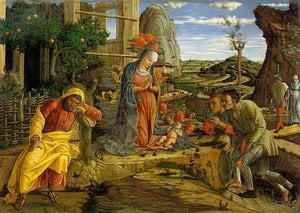
Andrea Mantegna, født omkring 1431 i Isola di Carturo nær Padua, står som en afgørende figur, der forbinder den tidlige og den høje renæssance. Hans kunstneriske rejse var ikke blot at adoptere klassiske former; det var en dybdegående udgravning af antikken, et passioneret forsøg på at genoplive Roms ånd inden for den spirende italienske renæssance. I modsætning til mange samtidige, der trak inspiration fra klassiske modeller, besad Mantegna en unik lidenskab for arkæologisk nøjagtighed. Denne besættelse stammer fra hans formative år under Francesco Squarcione, en maler og samler, hvis værksted fungerede mindre som et traditionelt atelier og mere som en akademisk institution dedikeret til studiet af romerske ruiner, skulpturer og inskriptioner. Det var inden for disse mure, omgivet af fragmenter af et tabt imperium, at Mantegnas kunstneriske vision begyndte at tage form – en vision præget af skulpturel former, dramatisk perspektiv og en næsten obsessiv opmærksomhed på detaljer. Hans tidlige liv forbliver noget uklart; beretninger antyder, at han blev opdaget som en lovende lærling, hans iboende talent anerkendt og dyrket af Squarcione trods ydmyge rødder. Dette usædvanlige udgangspunkt kan måske have brændt Mantegnas utrættelige jagt efter kunstnerisk mesterskab og hans bestræbelse på at skabe en stil, der var tydeligt hans egen.
Den Gonzaga-hertugdom og Illusionens Realitet
Mantegnas karriere blomstrede virkelig, da han trådte ind i tjenesten for Gonzaga-familien i Mantua og blev hofmaler i 1488. Denne beskyttelse gav ham en hidtil uset grad af kunstnerisk frihed og en platform til at realisere sine mest ambitiøse projekter. Gonzaga’erne var ikke blot beskyttere; de var samarbejdspartnere, der bestilte værker, der pressede grænserne for kunstnerisk innovation. Det var i denne periode, at Mantegna skabte hvad der måske er hans mesterværk: *Camera degli Sposi* (Brudefestsalen) freskerne i Palazzo Ducale. Dette banebrydende værk transcenderer blot dekoration; det er et komplet illusionistisk miljø, der sømløst integrerer arkitektur og maleri for at skabe en udvidet følelse af rum. Freskernene forestiller scener fra Gonzaga-familiens liv, portrætter, der er bemærkelsesværdigt levende og engagerende, og et betagende *di sotto in sù* (set fra neden) loftpanel, der skaber illusionen af en åben himmel. Denne mesterlige manipulation af perspektiv var ikke blot et spørgsmål om teknisk dygtighed; det handlede om at skabe en verden inden for et rum, der udvisker grænserne mellem virkelighed og repræsentation. Ud over *Camera degli Sposi* fortsatte Mantegna med at producere værker af bemærkelsesværdig kvalitet for Gonzaga-hertugdommet, herunder de monumentale serier *Triumphs of Caesar*. Disse malerier, inspireret af romerske triumfparader, er ikke blot historiske gengivelser; de er overdådige allegorier, der fejrer Gonzaga-familiens magt og prestige, præsenteret med en pragt, der rivalerer det antikke Roms ambitioner.
En Mester i Perspektiv og Anatomi
Mantegnas kunstneriske innovationer udgik langt ud over illusionistiske miljøer. Han var pioner inden for brugen af perspektiv, ofte anvendende teknikker, der gik imod konventionelle metoder for at opnå dramatiske effekter. Ofte justerede han horisontlinjen, hvilket skabte en følelse af monumentalitet og imponerende skala. Denne teknik, kombineret med hans omhyggelige opmærksomhed på anatomisk detalje, gav hans figurer en uovertruffen følelse af vægt og tilstedeværelse. Han var ikke blot optaget af at repræsentere den menneskelige krop; han dissekerede den, studerede dens muskulatur og gengav den med en præcision, der var revolutionerende for sin tid. Hans mesterskab i *trompe-l'oeil* – skabelsen af illusioner så overbevisende, at de bedrager øjet – forstærkede dette effekt yderligere, udvisker grænserne mellem maleri og virkelighed. Denne dedikation til anatomisk nøjagtighed var ikke blot et spørgsmål om teknisk dygtighed; den afspejlede Mantegnas dybe engagement med klassiske skulpturer og hans ønske om at efterligne de idealiserede former fra antikken. Han søgte ikke kun at forestille sig den menneskelige krop, men at fange dens iboende værdighed og magt. Hans indflydelse på efterfølgende generationer af kunstnere, herunder Rafael og Michelangelo, er uomtvistelig, da de byggede videre på hans fundamenter inden for perspektiv, anatomi og komposition.
En Forbindelse til Antikken og en Uovertruffen Stil
Mantegna var dybt fascineret af antikkens kunst og arkæologi, hvilket manifesterede sig i hans værker. Han studerede omhyggeligt romerske ruiner, skulpturer og inskriptioner, og disse observationer formede hans kunstneriske vision. Hans malerier er præget af en stærk klassisk stil, der kombinerer den strenge klarhed fra antikken med en følelse af drama og bevægelse. Han var især interesseret i at gengive romerske soldater og officerer, og hans portrætter af dem er kendt for deres realistiske detaljer og stoiske udtryk. Mantegna var også en dygtig grafiker, og han skabte mange trykkunster, der blev meget populære i det 15. århundrede. Hans kunst er et vidnesbyrd om hans evne til at forene den klassiske æstetik med den italienske renæssances ånd.
Et Eftermæle af Innovation og Indflydelse
Andrea Mantegna døde i Mantua i 1506, efterlod sig en arv, der fortsat inspirerer kunsthistorikere og entusiaster. Hans værk repræsenterer et afgørende vendepunkt i kunstens historie, der forbinder den tidlige og den høje renæssance. Han var ikke blot en imitator af klassiske former; han var en fortolker, der tilpassede antikke motiver og teknikker for at skabe noget helt unikt og specifikt hans egen. Hans omhyggelige opmærksomhed på detaljer, hans mesterskab i perspektiv og hans dybe engagement med den klassiske verden etablerede ham som en førende figur i sin tid. Mantegnas udforskning af klassiske temaer hjalp med at genoplive interessen for antikkens kunst og kultur, hvilket banede vejen for de kunstneriske præstationer af den høje renæssance. Hans indflydelse kan ses i værkerne hos utallige kunstnere, fra Rafael's elegante kompositioner til Michelangelos kraftfulde figurer. I dag er hans malerier udstillet på store museer rundt om i verden, herunder National Gallery i London og Pinacoteca di Brera i Milano, hvor de fortsat inspirerer beundring og beundring.



 Se i fuld skala
 Skift til print
 Del
Del Del
Del
 Detaljer

 Download
 Lignende værker
 Røntgenundersøgelse
 Diasshow
 Statistik
 Se mere






































 Glasmulighed er kun tilgængelig i størrelser under 110 cm