
1
Great Expectations
Ručně malovaná olejná reprodukce od $324 43 × 23 cm
Velikost jako originál $638 137 × 76 cm Objednat v originální velikosti →

Great Expectations (1879) je nejslavnější obraz autora Robert Mcgregor, který se nachází v muzeu Scottish National Gallery ve městě Edinburgh. The Turnip Field (1880) a Aitken Dott, 1815 - about 1880. Art dealer (1891) jsou dalšími dvěma díly, která svět zná nejlépe. Z 16 děl umělce Robert Mcgregor v našem katalogu uvádíme 16 těch, na které se kolektéři a návštěvníci muzeí nejčastěji dívají, včetně roku vzniku, názvu muzea a příběhu každého díla.
Seřazeno podle našeho skóre popularity, které kombinuje počet vyhledávání, návštěv a objednávek u každého díla. Aktualizováno listopad 2026. Každé dílo na této stránce lze objednat jako ručně malovanou olejovou reprodukci v muzeální kvalitě nebo jako umělecký tisk v požadovaném rozměru.


3 muzea, v nichž je umístěno nejvíce obrazů z této stránky.
| Muzeum | Město | Díla autora Robert Mcgregor | Obrazy z tohoto seznamu |
|---|---|---|---|
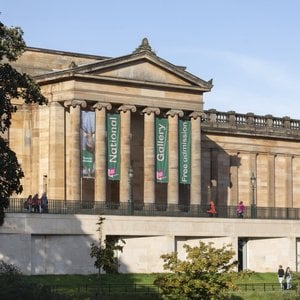 Scottish National Gallery |
Edinburgh | 1 | Great Expectations |
 The Hunterian Museum and Art Gallery |
Glasgow | 1 | The Turnip Field |
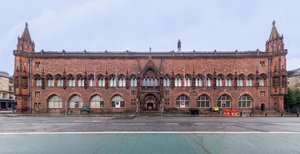 Scottish National Portrait Gallery |
Edinburgh | 1 | Aitken Dott, 1815 - about 1880. Art dealer |


Great Expectations (1879), Scottish National Gallery, Edinburgh. Následují The Turnip Field (1880) a Aitken Dott, 1815 - about 1880. Art dealer (1891).
32 let: dílo Great Expectations pochází z roku 1879 a Robert Mcgregor se narodil/a v roce 1847.
Great Expectations, The Turnip Field, Aitken Dott, 1815 - about 1880. Art dealer, Les Moulières, Villerville, Collecting cockles, The and of the day, The water-carrier, Scottish fisherfolk, Breakfast time a In the orchard. Výše uvedené pořadí uvádí rok a muzeum každého díla.
Náš katalog obsahuje 16 děl autora Robert Mcgregor z let 1879 až 1902.
Většina z nich se nachází v Scottish National Gallery (Edinburgh), The Hunterian Museum and Art Gallery (Glasgow) a Scottish National Portrait Gallery (Edinburgh). V tabulce výše jsou jednotlivé muzea uvedeny postupně.
Nejstarší dílo na této stránce pochází z Great Expectations (1879), nejnovější z Les Moulières, Villerville (1902).
Ano. Každý obraz na této stránce lze objednat jako ručně malovanou olejovou reprodukci v muzeální kvalitě nebo jako umělecký tisk v požadovaném rozměru přímo z jeho vlastní stránky.
Born in Bradford, England, in 1847 to Scottish parents, Robert McGregor’s artistic journey was a testament to the enduring appeal of depicting the realities of rural British life. While his early years were spent outside Scotland, a deep connection to his heritage and a keen observation of the landscape ultimately shaped his distinctive style and subject matter. McGregor's career unfolded primarily in Edinburgh, where he established himself as a respected artist known for his realistic portrayals of Scottish fisherfolk, farmers, and the ever-changing rhythms of the countryside.
McGregor’s artistic development was significantly influenced by the prevailing Realist movement, which sought to capture everyday life with honesty and detail. He drew inspiration from artists like Jean-François Millet, whose depictions of rural laborers resonated deeply with McGregor's desire to portray the dignity and hardship of working people. The Dutch School of painting, particularly its emphasis on light and atmosphere, also played a crucial role in shaping his technique. His travels to France and the Netherlands provided invaluable opportunities for study and experimentation, allowing him to refine his skills and develop a unique visual language.
McGregor’s paintings are overwhelmingly characterized by their meticulous attention to detail and their ability to evoke a strong sense of place. He rarely idealized his subjects; instead, he presented them with unflinching honesty, capturing the weariness of labor, the beauty of the natural world, and the quiet dignity of ordinary lives. His compositions often feature expansive landscapes—rolling hills, windswept moors, and dramatic skies—against which the figures of his subjects are set. These scenes aren’t merely backdrops; they actively contribute to the narrative, reflecting the characters' connection to their environment.
His most celebrated works depict Scottish fisherfolk engaged in their daily routines – hauling nets, mending sails, and braving the elements. These paintings offer a poignant glimpse into a vanishing way of life, capturing the resilience and stoicism of these men as they faced the challenges of the sea. Equally compelling are his depictions of rural laborers—farmers tending their fields, shepherds guiding their flocks, and children playing in the meadows. McGregor’s ability to convey both the physical demands of work and the emotional lives of his subjects is a hallmark of his artistic achievement.
McGregor was primarily a painter of oil on canvas, employing a technique characterized by its solidity and depth. He utilized a limited palette—primarily earthy tones—to create a sense of realism and to emphasize the textures of the landscape and the clothing of his subjects. His brushwork is generally smooth and controlled, yet he skillfully used variations in tone and color to suggest light, shadow, and atmosphere. He was particularly adept at capturing the effects of weather – rain, mist, and sunlight – on the landscape, imbuing his paintings with a palpable sense of mood.
His compositions often follow a pyramidal structure, drawing the viewer’s eye towards the central figure or subject. This technique creates a sense of stability and balance while also emphasizing the importance of the individual within the larger context of the scene. McGregor's work demonstrates a deep understanding of perspective and spatial relationships, contributing to the overall realism and visual impact of his paintings.
Robert McGregor’s artistic career spanned several decades, during which he gained recognition as one of Scotland’s leading Realist painters. He exhibited regularly at the Royal Scottish Academy and other prestigious venues, earning critical acclaim for his honest depictions of rural life. His work was particularly appreciated for its ability to capture the spirit of a bygone era—a time when agriculture and fishing were central to the lives of many Scots.
Today, McGregor’s paintings are housed in public collections across Scotland and beyond, serving as valuable reminders of a rich cultural heritage. His legacy extends not only through his artistic achievements but also through his commitment to portraying the dignity and resilience of ordinary people. He remains an important figure in Scottish art history, celebrated for his ability to capture the beauty and complexity of rural life with remarkable skill and sensitivity.


