

Nejslavnějším dílem umělce Marcus Collin je obraz Seated Nude Woman (1909) v muzeu Statens Museum for Kunst v Kodaň. Náš katalog obsahuje 2 děl umělce Marcus Collin; níže je 2 děl, na která se svět dívá nejčastěji, každé s uvedeným rokem vzniku, muzeem, které jej uchovává, a důvodem jeho významu.
Seřazeno podle našeho skóre popularity, které kombinuje počet vyhledávání, návštěv a objednávek u každého díla. Aktualizováno listopad 2026.


Muzeum s největším počtem obrazů na této stránce.
| Muzeum | Město | Díla autora Marcus Collin | Obrazy z tohoto seznamu |
|---|---|---|---|
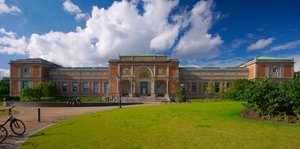 Statens Museum for Kunst |
Kodaň | 2 | Seated Nude Woman, Steamer Wharf |
Marcus Collin mal(a) jen málo 11 let, od 1909 do 1919: sledujte každé desetiletí rok po roce prostřednictvím obrazů, které vytvořily jeho/její jméno.


Seated Nude Woman (1909)
27 let: dílo Seated Nude Woman pochází z roku 1909 a Marcus Collin se narodil/a v roce 1882.
Náš katalog obsahuje 2 děl autora Marcus Collin z let 1909 až 1919.
Většina z nich se nachází v Statens Museum for Kunst (Kodaň). V tabulce výše jsou jednotlivé muzea uvedeny postupně.
Nejstarší dílo na této stránce pochází z Seated Nude Woman (1909), nejnovější z Steamer Wharf (1919).
Seated Nude Woman a Steamer Wharf patří mezi 2 děl na této stránce, která má v zastarání Statens Museum for Kunst, Kodaň.
Helsinki, 1882. A child is born into an educated, Swedish-speaking family where the path toward a civil service career seems almost predestined. Gustaf Marcus Collin begins his adult life studying law, a pursuit tethered to the reality of Finland as a Grand Duchy under Russian rule. He moves through roles as a journalist and attempts the rigors of architecture, but the mathematics prove too heavy a burden. The trajectory breaks.
The focus shifts toward art, first within the borders of Helsinki and later in Paris. In the studios of the Académie Ranson, the influence of Paul Sérusier takes hold. It is here that the mechanics of composition begin to reshape his vision. His early work carries the weight of this instruction, focusing on the structural arrangement of the canvas.
A new movement emerges in Finland. Collin finds himself at the center of the Novemberists, a group of Finnish expressionists that includes figures like Tyko Sallinen. This period is marked by a specific aesthetic evolution. During the mid-1910s, his palette undergoes a stripping away, becoming ascetic and minimal, relying on few dark shades to define form.
The landscape of the Finnish archipelago becomes a primary subject. The breakthrough arrives through these paintings, where bright colors break through the previous austerity. By 1921, the gray and brown tones are abandoned in favor of a more luminous approach. As the years progress toward his later life, the experimental edges soften into a more realistic style.
The subject matter of his work often looks toward the human condition through a social lens. He portrays factory workers and farmhands not as individuals with unique biographies, but as faceless representatives of their social class. These figures inhabit scenes that frequently draw from the written word.
His canvases translate literature into visual form, specifically capturing the essence of works such as:
The later years bring formal honors. In 1953, he receives the honorary title of professor. The Swedish Prince Eugen Medal follows in 1957. His work remains anchored in major institutions, held within the collections of the Ateneum Art Museum, Kunsthalle Helsinki, and Nasjonalmuseet.
The record of his output is documented through auction history, where pieces like Winter Evening have reached significant valuations. He remains a figure defined by the transition from the rigid structures of law to the expressive possibilities of the Finnish landscape.