
1
John Burton
Ručně malovaná olejná reprodukce od $199 28 × 36 cm
Velikost jako originál $497 88 × 113 cm Objednat v originální velikosti →

Nejslavnějším dílem umělce John Windass je obraz John Burton (1843) v muzeu York Art Gallery v York. Náš katalog obsahuje 1 děl umělce John Windass; níže je 1 děl, na která se svět dívá nejčastěji, každé s uvedeným rokem vzniku, muzeem, které jej uchovává, a důvodem jeho významu.
Seřazeno podle našeho skóre popularity, které kombinuje počet vyhledávání, návštěv a objednávek u každého díla. Aktualizováno listopad 2026. Každé dílo na této stránce lze objednat jako ručně malovanou olejovou reprodukci v muzeální kvalitě nebo jako umělecký tisk v požadovaném rozměru.

Muzeum s největším počtem obrazů na této stránce.
| Muzeum | Město | Díla autora John Windass | Obrazy z tohoto seznamu |
|---|---|---|---|
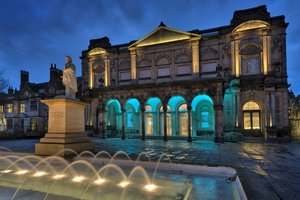 York Art Gallery |
York | 1 | John Burton |
John Burton (1843)
Náš katalog obsahuje 1 děl autora John Windass.
Většina z nich se nachází v York Art Gallery (York). V tabulce výše jsou jednotlivé muzea uvedeny postupně.
Ano. Každý obraz na této stránce lze objednat jako ručně malovanou olejovou reprodukci v muzeální kvalitě nebo jako umělecký tisk v požadovaném rozměru přímo z jeho vlastní stránky.
John Windass remains a figure defined by the specificities of Victorian portraiture. Born in York, United Kingdom, in 1843, his life and output are anchored to the regional identity of Yorkshire. He was a painter who operated within a structured social hierarchy, capturing the likenesses of those who shaped the cultural landscape of his time. His work is not a collection of abstract ideas but a record of presence, rendered in oil on canvas.
His technical approach focused on the tangible. In his most notable surviving work, he captured the likeness of John Burton, a gallery benefactor. This portrait is a study of character through physical detail, depicting a man with a bald head and a substantial beard, caught in a moment of quiet contemplation while holding a painting and smoking a long clay pipe. It is a direct, unadorned representation of a specific individual.
Windass worked primarily with oil on canvas, a medium that allowed for the heavy, textured application necessary for Victorian portraiture. His ability to render the textures of skin, hair, and fabric provided a sense of weight to his subjects. The scale of his work, such as the 113 cm by 88 cm dimensions of his portrait of Burton, suggests a commitment to life-sized, intimate encounters between the viewer and the sitter.
The nature of his output can be categorized by the following elements:
The significance of Windass lies in his role as a visual documentarian of the Victorian era. He did not seek to reinvent the medium but to master the depiction of the people who funded and frequented the art institutions of his day. His work exists in the permanent collections of the York Museums Trust, specifically within the York Art Gallery, ensuring his contribution to the visual history of York remains intact. He died in 1938, leaving behind a body of work that serves as a factual, painted record of a bygone social order.