


 Graphite PencilNihonga
 19th Century
 28.0 x 36.0 cm
 Národní muzea Liverpoolu
Giclée nebo plátěný tisk muzeální kvality s rychlou výrobou a flexibilními možnostmi povrchové úpravy. ( Koupit ručně malovaný obraz Koupit obrázek)





























Vyberte si z našich přednastavených velikostí, které odpovídají původním proporcím díla.

Můžete zadat vlastní rozměry tak, aby výtvor odpovídal konkrétnímu rámu nebo prostoru. Pokud zvolená velikost nebude odpovídat poměru stran původního obrazu, dílo buď ořížeme, nebo obraz rozšíříme pomocí zrcadlového efektu či jednobarevného okraje. Před zahájením výroby vám bude zaslán digitální náhled k schválení.
Mějte prosím na paměti, že náhled na obrazovce neodráží skutečné oříznutí nebo rozšíření. Pouze digitální náhled přesně zobrazí finální kompozici.
Ačkoliv jsou k dispozici i vlastní rozměry, pro zachování původních proporcí doporučujeme vybrat si rozměr z předdefinovaného seznamu.
Celosvětové doručení () do 2 týdnů namísto standardních 4/5 týdnů. (6 září)


Preparatory sketch
Rozměry reprodukce
In the quiet, focused moments before a masterpiece is realized, there exists a profound intimacy found only in the preparatory sketch. This graphite study by the esteemed Japanese master Taki Katei offers a rare glimpse into that sacred stage of creation. The artwork presents a meticulously rendered vase, captured with a technical precision that speaks to the artist's disciplined hand and observant eye. Rather than a finished, polished object, we are invited to witness the skeletal beauty of an idea taking shape. The monochromatic palette, composed of delicate grays against a warm, light beige ground, strips away the distraction of color to reveal the pure essence of form, volume, and structural integrity.
The composition is centered and commanding, yet it possesses a lightness that prevents it from feeling static. Through a masterful use of fine lines, hatching, and cross-hatching, Katei breathes life into the inanimate ceramic surface. Every curve of the vase's handle and every geometric flourish along its rim is articulated with such clarity that one can almost feel the weight and texture of the intended object. This technique does more than just define shape; it creates a subtle play of light and shadow that suggests depth and dimension, transforming a flat piece of paper into a window onto a three-dimensional reality.
To understand this sketch, one must consider the historical landscape inhabited by Taki Katei. Living through the transformative transition from the late Tokugawa period to the Meiji era, Katei stood at the crossroads of Japan's cultural evolution. While he is celebrated for his contributions to the Nihonga style—noted for its use of mineral pigments and organic materials—this particular graphite study reveals a different facet of his mastery. It showcases a rigorous, almost scientific approach to observation that mirrors the burgeoning influence of Western-style realism, or Yōga, which was beginning to permeate Japanese artistic circles during his lifetime.
There is a quiet, meditative quality to this work that makes it an exceptional choice for the discerning collector or interior designer. It does not demand attention through loud colors or dramatic gestures; instead, it commands respect through its understated elegance and intellectual depth. For those looking to curate a space of sophistication and calm, such a piece serves as a perfect focal point—a sophisticated nod to the beauty of process and the enduring allure of classical craftsmanship. Whether placed in a contemporary gallery setting or a traditional study, this preparatory sketch brings with it an aura of timelessness and a profound respect for the foundational elements of art.


1830 - 1901 , Japonsko

Explore the profound artistry of graphite drawing. Discover professional techniques for mastering depth, texture, and detail through a lens of art history, from classical sketches to modern masterpieces. Elevate your understanding of the pencil medium with our expert guide.

Discover the sophisticated mastery of graphite drawing. Explore expert techniques for achieving profound depth, intricate texture, and hyper-realistic detail through the alchemy of carbon, curated for the discerning art enthusiast and professional collector.
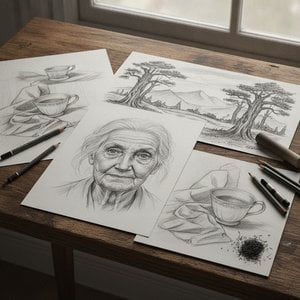
Explore the profound elegance of pencil and charcoal sketching. Discover how masters use line, shadow, and chiaroscuro to capture light and texture, bridging the gap between preparatory studies and timeless fine art masterpieces.

Explore the profound beauty of the sketch. Discover how masters use charcoal and graphite to capture raw emotion, anatomical precision, and fluid movement, bridging the gap between ephemeral marks and eternal oil masterpieces.

 Náhled
 Sdílet
 Sdílet
 Podrobnosti o díle

 Stáhnout
 Podobné položky
 Rentgenové snímky
 Slideshow
 Zobrazit více







 Skleněná varianta je dostupná pouze u rozměrů menších než 110 cm


