


Koupě vysoce rozlišeného, vylepšeného digitálního obrazu, který je mnohem kvalitnější než online náhled.
Každý soubor je pečlivě připraven našimi odborníky pomocí pokročilých nástrojů a expertní manuální retuše. Zajišťujeme, aby každý obraz disponoval výjimečnou ostrostí, přesnou barevnou věrností a jemnými detaily.
Finální soubor vám bude do 72 hodin zaslán e-mailem, optimalizovaný pro okamžité použití v profesionálním, redakčním i tiskovém prostředí. Nabízíme stejnou kvalitu, které důvěřují špičková designová studia, nakladatelství i galerie.
Stáhněte si soubor ve vysokém rozlišení pro osobní prohlížení, tisk a kreativní projekty. ( Koupit tisk Koupit ručně malovaný obraz)
Když si vyberete WahooArt.com, nezískáváte pouze obrázek – získáváte digitální umělecké dílo s profesionálně vylepšenými detaily, zpracované s precizností a podpořené zárukou za spokojenost. Zde je vše, co vaše objednávka automaticky obsahuje:

Váš digitální obraz ve vysokém rozlišení vám bude zaslán e-mailem do 72 hodin od objednávky – připraven k okamžitému použití.

Vaše umělecké dílo je profesionálně optimalizováno pomocí pokročilých nástrojů umělé inteligence a manuální úpravy, což zajišťuje maximální úroveň detailu, ostrosti a přesnosti barev.

Soubor jste omylem smazali nebo ztratili? Žádný problém – kdykoliv vám ho znovu zašleme zcela zdarma.

Užijte si své umělecké dílo okamžitě bez celních poplatků, daní nebo nákladů na dopravu – digitální stažení je vždy bez daňových povinností.

Pomocí profesionálních nástrojů a správy barev zajišťujeme, aby váš digitální obraz odrážel původní barvy co nejvěrněji.

Pokud nebudete s digitálním obrázkem spokojeni, provedeme jeho revizi nebo vám vrátíme 100% platby do 100 dnů – bez jakýchkoliv dotazů.

Nespokojeni? Získejte plnou náhradu peněz do 100 dnů od obdržení digitálního souboru – bez zbytečných dotazů.

Koupěte si 3 obrazy, ušetřete 10% - Koupěte si 5, ušetřete 15% - Koupěte si 10+, ušetřete 20%. Ideální pro kreativní projekty, galerie a agentury.
Peter Paul Rubens' "The Last Supper," painted around 1631 and now residing within the Gemaldegalerie Donaueschingen, Germany, isn’t merely a depiction of a biblical event; it’s a visceral experience. This monumental oil painting transcends its historical subject matter to become a profound meditation on betrayal, faith, and the very human drama of loss. Rubens, deeply influenced by his formative years in Italy, masterfully blends the dynamism of Caravaggio's tenebrism with the classical elegance he absorbed from Renaissance masters, creating an image that pulsates with both dramatic intensity and carefully considered composition.
The scene unfolds with arresting immediacy. Jesus Christ, seated at the center of a richly appointed table, is not presented as a divine figure removed from earthly concerns but as a man grappling with impending doom. His face, etched with sorrow and resignation, mirrors the palpable tension radiating from his disciples. The composition immediately draws the eye to Judas Iscariot, identifiable by his posture – subtly averted, clutching a small pouch containing the thirty pieces of silver – and his distinctively pale complexion, a deliberate artistic choice that highlights his treachery against the vibrant backdrop. Rubens’ genius lies in capturing not just what *happened* but how it *felt*, imbuing each figure with a unique emotional response to the impending betrayal.
Rubens' signature Baroque style is fully realized within this painting. He employs *chiaroscuro* – the dramatic contrast between light and dark – not as a mere technical device, but as a powerful tool for conveying emotion. The strong light illuminates Jesus and the figures closest to him, drawing attention to their suffering and highlighting the central drama of the scene. Conversely, the surrounding apostles are enveloped in shadow, suggesting their confusion, fear, and disbelief. This masterful manipulation of light creates a sense of depth and movement, as if we’re witnessing this pivotal moment unfold before our very eyes.
The artist's brushwork is remarkably energetic and expressive. Notice the loose, swirling strokes that define the drapery and the subtle variations in color that bring each figure to life. The palette itself is rich and vibrant – deep reds, blues, and golds dominate, reflecting the opulence of the setting and adding to the painting’s overall dramatic effect. Rubens wasn't interested in photographic realism; he sought to capture the *essence* of the scene, imbuing it with a sense of immediacy and emotional truth.
Beyond its immediate narrative, “The Last Supper” is laden with symbolic meaning. The table itself, laden with cups, bowls, knives, and wine glasses, represents the ritual significance of the Eucharist – the central sacrament of Christianity. The three cups on the table are particularly noteworthy; they traditionally symbolize the Holy Trinity, a subtle reminder of God’s presence within this earthly drama. The two bowls represent the bread and wine, the core elements of the communion meal. Even Judas's posture and the pouch he holds carry symbolic weight, representing not just monetary gain but also spiritual corruption.
Rubens’ “The Last Supper” stands as a testament to his unparalleled ability to capture human emotion and translate complex theological concepts into visually arresting art. It's a painting that continues to resonate with viewers centuries after its creation, prompting reflection on themes of betrayal, faith, and the enduring power of human drama. Comparisons to other interpretations of this iconic scene – such as Sebastiano Ricci’s version or Matthias Grünewald’s Coburg Panel – reveal how Rubens' approach, characterized by his dynamic composition and intense emotionality, set a new standard for depicting religious narratives. For those seeking a profound artistic experience, the Gemaldegalerie Donaueschingen offers a remarkable opportunity to witness this masterpiece firsthand.
Further exploration of Rubens’ work can be found at Peter Paul Rubens: The Last Supper on WahooArt, and by delving into the artist's life and style at Sir Peter Paul Rubens.
For a deeper dive, consider examining resources like Wikipedia’s entry on Rubens: Sir Peter Paul Rubens and the Art Institute of Chicago's detailed analysis: The Last Supper | The Art Institute of Chicago.

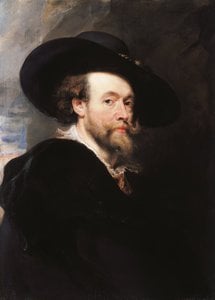
1577 - 1640 , Německo

 Náhled
 Sdílet
 Sdílet
 Podrobnosti o díle

 Stáhnout
 Podobné položky
 Rentgenové snímky
 Slideshow

 Zobrazit více


