Umělecké dílo zobrazené na této stránce je chráněno autorským zákonem, což znamená, že nemůžeme legálně vytvářet ani prodávat jeho identickou reprodukci. Tato ochrana je vymáhána na základě mezinárodních dohod, jako například Berberská úmluva a národními zákony, včetně těch stanovených v Americký autorský zákon – Díl 17. Všechna práva vyhrazena.
Tato metoda je plně v souladu s autorským právem, protože nezahrnuje kopírování ani duplikování chráněného díla. Jde o kreativní reinterpretaci – nový obraz, který je inspirován originálem, ale není s ním identický.
Giclée nebo plátěný tisk muzeální kvality s rychlou výrobou a širokou nabídkou povrchových úprav. ( Koupit ručně malovaný obraz Přepnout na digitální obraz)





























Vyberte si z našich přednastavených velikostí, které odpovídají původním proporcím díla.

Zadejte šířku a výšku, které potřebujete pro váš rám nebo stěnu. Tisk lze pouze oříznout, nikdy však nelze zvětšit obraz nad jeho původní rozměr, proto při výběru jiného formátu dochází ke ztrátě části obrazu. Před samotným tiskem vám zašleme digitální náhled k schválení. Obraz zobrazený na této stránce nenabízí skutečný výřez — ten uvidíte pouze v náhledu.
Celosvětové doručení () do 2 týdnů namísto standardních 4/5 týdnů. (10 listopad)
Mujer y pájaro 1
Rozměry reprodukce
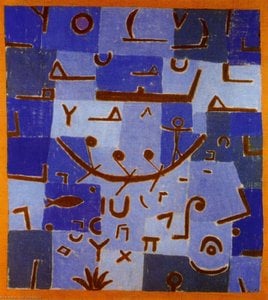
Joan Miró's "Mujer y Pájaro 1" is more than just a depiction of a woman and a bird; it’s an immersion into the vibrant, dreamlike world of one of the 20th century’s most influential artists. Painted in Barcelona during his prolific career – roughly between 1930-1940 - this artwork embodies Miró's signature style: a captivating blend of abstraction and recognizable imagery, rooted deeply in Catalan folklore and personal symbolism. The painting immediately draws the eye with its bold color palette—a joyous explosion of reds, blues, yellows, and whites – colors that evoke both the warmth of the Mediterranean sun and the cool depths of the subconscious. The woman, rendered with simplified forms and a sense of serene contemplation, appears to be engaged in an intimate exchange with the bird perched delicately on her shoulder. This interaction isn’t literal; it's a projection of emotion, a visual representation of the artist’s fascination with the connection between humanity and nature.
Miró’s technique in “Mujer y Pájaro 1” is characterized by its layered approach. He began with an underpainting, often using tempera or oil, which was then built upon with thin washes of color applied through a process he termed ‘grattage’. This involved scraping away layers of paint to reveal the underlying tones and create textured surfaces – a technique that adds significant depth and dynamism to the composition. The use of collage elements, incorporating fragments of paper and other materials, further enhances this textural richness. The artist’s meticulous attention to detail is evident in the precise placement of each element, contributing to the overall sense of balance and harmony. He employed a palette knife extensively, creating bold strokes and expressive marks that contribute significantly to the painting's energetic feel.
The symbolism within “Mujer y Pájaro 1” is rich and layered, deeply rooted in Catalan tradition. The bird, a frequent motif in Miró’s work, represents freedom, spirituality, and the connection to the natural world. Its placement on the woman's shoulder suggests protection and nurturing. The woman herself embodies fertility and grace, echoing ancient matriarchal figures within Catalan culture. Furthermore, the painting reflects the broader artistic context of the time – the rise of Surrealism, which embraced the power of dreams and the subconscious mind. Miró’s work aligns with this movement while retaining his unique, deeply personal vision. The influence of Antoni Gaudí's organic architectural forms is subtly present in the flowing lines and biomorphic shapes that characterize the entire composition.
"Mujer y Pájaro 1" possesses a profound emotional impact, inviting viewers into a realm of quiet contemplation. The painting’s vibrant colors and dynamic brushwork evoke a sense of joy, wonder, and perhaps even melancholy. It's a piece that speaks to our innate desire for connection – with nature, with ourselves, and with the mysteries of existence. This artwork is not merely a beautiful image; it’s an invitation to engage in a dialogue with the artist’s soul, a testament to Miró’s ability to translate his innermost thoughts and feelings into a visual language that continues to resonate with audiences today.
„Mujer y pájaro 1“ je dostupná jako ručně malovaná olejová reprodukce na lněném plátně. Objednávku můžete zadat na její stránce Ručně malovaná reprodukce, kde si můžete vybrat z různých rozměrů.
„Mujer y pájaro 1“ od Joan Miró vyzařuje Romantic emocionální náboj.
Doporučeným prostorem pro „Mujer y pájaro 1“ od Joan Miró je Living Room. Toto doporučení lze samozřejmě přizpůsobit vašemu interiéru.

Barcelona, 20. dubna 1893. Joan Miró i Ferrà vstupuje do světa preciznosti a ozubených koleček, narozen do rodiny hodinářů. Toto rané prostředí mu poskytlo kulisy pečlivého řemesla, které mu doprovází po celou jeho evoluci jako malíře, sochaře a keramikaře. Skrze desetiletí se neřídí nastavenou cestou, ale neustálým měnímem svého zaměření, až se nakonec stal ústřední postavou rozvoje surrealismu a abstraktního umění.
Jeho tvůrčí dílo se vymyká snadnému zařazení. Zatímco se mnozí pokoušejí připoutat ho k jednému konkrétnímu směru, Miró zůstává neústupně nezávislý a často vyjadřuje touhu převrátit zavedené estetické hierarchie. Tvoří s neklidnou energií a experimentuje v nejrůznějších médiích, aby zachytil to, co se skrývá v podvědomí. Jeho tvorba je neustálým napětím mezi organickým a geometrickým, mezi snovým a hmatatelným. Když 25. prosince 1983 zemřel, zanechal po sobě vizuální jazyk, který zpochybňuje samotnou definici uměleckého vyjádření.
Barcelona, 1893. Základy vizuálního jazyka, který vytvořil Joan Miró, pramení v katalánské metropoli. Jeho raná léta jsou charakterizována dvojí existencí. Ve čtrnácti letech vstupuje do obchodní školy, což je pragmatická cesta, která se vede v rovnoběžnosti s jeho rostoucími tvůrčími impulzy. Miró si nevybírá mezi obchodem a uměním; usiluje o obojí. Zatímco studuje obchodní vědy, zároveň se zapisuje do výtvarných kurzů na Escuela Superior de Artes Industriales y Bellas Artes.
Dynamika jeho růstu neustále graduje. Již v roce 1911 se Miró objevuje na veřejnosti, když vystavuje svůj první obraz na šestém Mezinárodní výstavě umění v Barceloně. Tento první kontakt s veřejností představuje odklon od pouhého studia do profesionální sféry. Jeho formální vzdělání se prohlubuje v letech 1912 až 1915, kdy studuje pod vedením Francesca Galího ve škole Escola d’Art. Tyto roky přísného výcviku poskytují technický základ pro radikální revoluční kroky, které následují v jeho pozdější tvorbě.
Paříž, rok 1920. Město ho neodolatelně pohlcuje. Miró přichází do francouzské metropole, do prostoru, kde napětí mezi proudy modernismu a jeho vlastní katalánskou identitou začíná zasahovat do jeho tvůrčího jádra. Prochází těmito ulicemi a vnímá přítomnost umělců jako Pablo Picasso. Je to období intenzivního tření a neustálého experimentování. On však neabsorbuje pouze stohy stylů; on se pohybuje v neustálém napětí mezi avantgardou a kořeny vlastní krajiny.
Politická situace se však mění. Vypuknutí španělské občanské války vynucuje změnu jeho geografického působüvaní. Miró se ocitá v nechtěném exilu ve Francii, který trvá až do poloviny roku 1940. Toto období vyhnanství představuje zásadní odklon od jeho dřívějších, stabilnějších tvůrčích explorací. Mezi lety 1937 a počátkem roku 1938 prochází jeho tvorba náhlou a ostrou transformací. Vytvoří dvě díla, která jsou stylisticky naprosto unikátní, čímž se definitivně odprostíní od svých ustálených vzorců a vytvoří něco zcela odlišného od všeho, co bylo jeho dosavadním dílem.
Joan Miró odmítá bezpečí zavedených metod. Konvenční malba se mu jeví jako nástroj buržoazní společnosti, což je přístup, který se snaží rozložit svou neklidnou, ikonoklastickou praxí. Jeho dílo často vyzyvuje jakoukoli snadnou klasifikaci; ačkoliv je často interpretováno jako surrealistické, je poháněno hluboce osobním stylem, který se brání jakémukoliv pojedinému „ismu“. S horečnatou energií se pohybuje napříč různými medii, experimentuje s malbou, pastelou, grafikou, sochou, keramikou, koláží, muralismem i tapiserií. Tato všestrannost mu umožňuje uniknout omezením tradiční reprezentace.
Jeho biomorfní obrazy se vynášejí skrze hrubé tvary a objekty, které zůstávají jen marginálně rozpoznatelné. V těchto formách je cítit napětí, pocit podvědomí vykreslený prostřednictvím jedinečného picturálního idiomu. K budování zářivých, texturovaných povrchů využívá akrylové barvy, které svým složením dodávají jeho kompozicím fyzickou přítomnost. Tvarové prvky na plátně jen tak nesedí; existují v neustálém stavu proměny, často se objevují jako glyfy nebo symboly, které překlenovávají mezeru mezi tím viditelným a tím představitelným.
Posun směrem k osobnímu, symbolickému jazyku nachází svůj pevný bod v obraze The Farm. Toto dílo představuje zásadní odklon od jeho rané výuky a stává se kamenným základem jeho celkového díla tím, že zakotvuje jeho rostoucí abstrakci do reality katalánské krajiny. Do roku 1924 se tato vazba k zemi prohloubila v obraze The Tilled Field, kde se hranice mezi fyzikálním světem a podvědomím začínají stírat. Obrazová řeč se zde vzdaluje tradiční reprezentaci a směřuje k vytvoření soukromého, zakódovaného slovníku forem.
V roce 1925 se objevuje The Birth of the World, což signalizuje vstup do mnohem plynulejšího, primordiálního prostoru. Zde se plátno stává místem spontánní tvorby, kde se tvary zdají vyvádět z prázdna. Tento experiment s kořeny formy pokračuje i v jeho pozdějších letech. V roce 1967 dílo The wing of the lark ... demonstruje jeho neustálou mistrovství v unikátním vizuálním jazyce, který si udržuje pocit pohybu a poetické naznačování i ve chvíli, kdy jeho styl plně dozrál.
Jeho veřejná přítomnost se projevovala také v monumentálních dílech velkého měřítka. Dona i Ocell stojí jako významný symbol katalánského osvobození, který využívá mozaiku a nepravidelné kontury k tomu, aby si náročil prostor v městském prostředí. Toto dílo překlenuje propast mezi jeho intimními, snovými obrazy a veřejným, architektonickým měřítkem jeho pozdější vize.
Odchod Miró v devadesátém roku života znamenal konec jedné éry; byl powšeobecně považován za poslední z hvězd modernismu. Jeho neklidný, ikonoklastický přístup k plátnu udělal víc než jen výzvu estetickým hierarchiím. Díky tomu, že zbavoval tvary jejich nadbytečnosti a hledal jejich samotnou esenci, jeho dílo připravilo cestu pro abstraktní expresionismus. Jeho unikátní personages—tyto idiosyncratické, symbolické postavy—zanechaly nesmazatelnou stopu v trajektorii moderního umění a ovlivnily pozdější umělce, jako jsou Robert Motherwell a Louise Bourgeois.
Jeho oddanost budoucnosti umění získala svou fyzickou podobu prostřednictvím institucí, které založil, aby podpořil experimentování. V roce 1975 založil v Barceloně Fundació Joan Miró. Následovalo založení Fundació Pilar i Joan Miró v Palmě de Mallorca v roce 1981. Tyto prostory zajišťují, aby jeho vliv zůstal živý a neustále se vyvíjel, přičemž se vymykají pouhé statické expozici objektů a slouží jako živá centra současného výzkumu a tvorby.
Nejsilnější setkání s jeho tvůrčí výtvorbou nabízí kopec Montjuïc v Barceloně ve Španělsku. Právě zde Fundació Joan Miró uchovává obrovskou sbírku čítající přes 10 000 uměleckých děl. Muzejní prostor navržený Josepem Lluísem Sertem umožňuje návštěvníkovi procházet terasami a vnitrodvorskámi, které zrcadlí umělcův vlastní organický přístup k prostoru. Toto místo zůstává hlavním centrem pro studium evoluce jeho vizuálního jazyka.
Mimo Španělsko je jeho přítomnost cítit v najważnějších institucionálních centrech uměleckého světa. V New Yorku uchovává několik jeho děl Museum of Modern Art, zatímco Metropolitan Museum of Art má v rámci své trvalé sbírky zastoupeny další jeho kusy. Tyto sbírky nabízejí okno do toho, jak se jeho specifický druh abstrakce a symbolismu integroval do širšího narativu modernismu. V Paříži pak Centre Pompidou představuje další nezbytnou lokalitu pro pozorování jeho vlivu na evropskou avantgardu.

1893 - 1983 , Španělsko

Elevate your design projects with WahooArt's premium canvas prints and hand-painted reproductions. From Giclée excellence to bespoke oil commissions, we provide professional decorators with museum-quality, affordable art solutions delivered worldwide with a 100% satisfaction guarantee.

Objevte exkluzivní svět WahooArt.com. Nabízíme prémiové plakáty a ručně malované reprodukce v muzeální kvalitě. Zajišťujeme absolutní věrnost detailu, odborné poradenství pro sběratele a bezpečné globální doručení pro váš dokonalý interiér.
 Náhled v interiéru
 Sdílet
 Sdílet
 Podrobnosti o díle
 Průvodce

 Stáhnout
 Podobné položky
 Rentgenové snímky
 Slideshow
 Otázky a odpovědi
 Statistiky

 Zobrazit více









 Skleněná varianta je dostupná pouze u rozměrů menších než 110 cm