


Získejte soubor připravený k tisku, který svou kvalitou výrazně převyšuje webový náhled. Každý prodávaný digitální obraz pochází z vysokorozlišeného originálu v naší databázi – obvykle o šířce 5 000 až 15 000 pixelů – díky čemuž můžete tisknout ve velkém formátu, provádět těsný střih nebo si s jistotou užít i ty nejjemnější detaily.
Žádný soubor neopustí naše studio bez úprav. Digitální expert kontroluje barvy v porovnání s původním malířským dílem a v případě potřeby je upravuje, poté pomocí profesionálních nástrojů pro retuš zvyšuje ostrost a detailnost — přičemž vždy zůstává věrný tahům štětcem a stylu umělce. Výsledkem je obraz, který vypadá jako malba, nikoliv jako naskenovaný snímek s filtrem.
Schvalování před dokončením: náš expert vám do 72 hodin zašle obraz e-mailem k revizi. Nejsste spokojeni? Můžete požádat o úpravy či opravy, nebo si můžete vyžádat vrácení peněz, pokud kvalita neodpovídá vašim očekáváním.
Tuto kvalitu využívají vydavatelství, designová studia, galerie i tiskárny.
Stáhněte si soubor ve vysokém rozlišení pro osobní prohlížení, tisk nebo kreativní projekty. ( Přepnout na tisk Koupit ručně malovaný obraz)
Když si vyberete WahooArt.com, nezískáváte pouze obrázek – získáváte digitální umělecké dílo s profesionálně vylepšenými detaily, zpracované s precizností a podpořené zárukou za spokojenost. Zde je vše, co vaše objednávka automaticky obsahuje:
Váš digitální obraz ve vysokém rozlišení vám bude zaslán e-mailem do 72 hodin od objednávky – připraven k okamžitému použití.
Vaše umělecké dílo je profesionálně optimalizováno pomocí pokročilých nástrojů umělé inteligence a manuální úpravy, což zajišťuje maximální úroveň detailu, ostrosti a přesnosti barev.
Soubor jste omylem smazali nebo ztratili? Žádný problém – kdykoliv vám ho znovu zašleme zcela zdarma.
Užijte si své umělecké dílo okamžitě bez celních poplatků, daní nebo nákladů na dopravu – digitální stažení je vždy bez daňových povinností.
Díky profesionálním nástrojům a správě barev zajišťujeme, aby váš digitální obraz odrážel původní barvy co nejvěrněji.
Pokud nebudete s digitálním obrázkem spokojeni, provedeme jeho revizi nebo vám vrátíme 100% platby do 100 dnů – bez jakýchkoliv dotazů.
Nespokojeni? Získejte plnou náhradu peněz do 100 dnů od obdržení digitálního souboru – bez zbytečných dotazů.
Koupě 3 obrazů ušetří 10% – Koupě 5 obrazů ušetří 15% – Koupě 10+ obrazů ušetří 20%. Ideální pro kreativní projekty, galerie a agentury.
Hubert Robert's "Washerwomen," painted in 1796, is more than just a depiction of a daily scene; it’s a carefully constructed tableau brimming with the romanticism and artistic sensibilities of late 18th-century France. The painting transports us to a sun-drenched courtyard within a bustling Parisian city – a world rendered with an almost dreamlike quality through Robert's masterful use of light, color, and perspective. It’s a piece that speaks volumes about the era’s fascination with ruins, memory, and the beauty found in the commonplace.
Robert, born in Paris in 1733, was a painter deeply influenced by the Baroque tradition, particularly the works of Claude Lorrain and Andrea Pozzo. However, he quickly developed his own distinctive style, often referred to as “capriccio” – a term derived from Italian meaning ‘whim’ or ‘fancy.’ These landscapes weren't intended to be realistic representations but rather imaginative constructions that blended elements of history, mythology, and the natural world. "Washerwomen" exemplifies this approach perfectly, seamlessly integrating architectural fragments, classical statues, and a vibrant urban backdrop.
The painting’s core lies in Robert's manipulation of space and perspective. He employs a technique known as *foreshortening* to create the illusion of depth, drawing the viewer into the scene with remarkable accuracy. The arches and columns of the background buildings seem to recede infinitely, while the figures in the foreground appear remarkably close, almost inviting us to step into their world. This masterful use of perspective isn’t merely technical; it serves a deeper symbolic purpose – evoking a sense of timelessness and the enduring power of memory.
Robert was particularly drawn to ruins, viewing them as potent symbols of both loss and regeneration. He didn't simply depict decaying structures; he reimagined them, breathing new life into their weathered facades and transforming them into picturesque settings for his fantastical compositions. In “Washerwomen,” the crumbling architecture isn’t presented as a lament for the past but rather as a backdrop to an idyllic scene of everyday life – suggesting that beauty can be found even in decay and that memory can transform the past into something vibrant and enduring.
The painting's palette is dominated by warm, earthy tones—ochres, browns, and siennas—creating a sense of warmth and intimacy. These muted colors are punctuated by splashes of brighter hues – the blues of the sky, the pinks and yellows of the flowers, and the vibrant reds of the women’s clothing. Robert's attention to detail is astonishing; every cobblestone, every leaf, every fold in the fabric seems meticulously rendered. This level of precision contributes significantly to the painting’s overall realism and invites us to linger over its intricate details.
The figures themselves are depicted with a remarkable sense of naturalism. The women engaged in their laundry work—washing clothes at a fountain, carrying baskets—are not idealized representations but rather believable characters caught in a moment of quiet activity. Their gestures and expressions convey a sense of dignity and resilience, reflecting the strength and spirit of the Parisian working class.
"Washerwomen" is more than just a pretty picture; it’s a poignant meditation on beauty, memory, and the passage of time. Robert's ability to capture the essence of a fleeting moment—a scene from everyday life transformed into an enduring work of art—is truly remarkable. The painting resonates with us today because it speaks to universal themes: the connection between humanity and nature, the importance of preserving memories, and the beauty that can be found in even the most humble of scenes.
Today, reproductions of “Washerwomen” continue to captivate art lovers and interior designers alike. Its evocative atmosphere and masterful technique make it a timeless addition to any collection or space—a reminder of the artistic brilliance of Hubert Robert and his enduring legacy as one of France’s most celebrated landscape painters.
„Washerwomen“ od Hubert Robert kombinuje techniku Acrylic On Canvas s uměleckým směrem Romanticism. Technika a směr definují způsob vzniku i styl tohoto díla.
Barevná harmonie díla "Washerwomen" je hodnocena jako Strong Color Unity.
Vzhledem k datování z roku 1796 spadá dílo „Washerwomen“ do Mature Period umělce Hubert Robert.

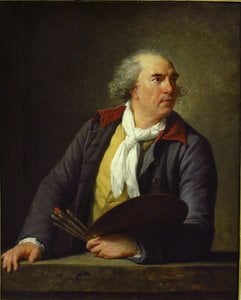
1733 - 1808 , Francie
 Náhled v interiéru
 Sdílet
 Sdílet
 Podrobnosti o díle
 Průvodce

 Stáhnout
 Podobné položky
 Rentgenové snímky
 Slideshow
 Otázky a odpovědi
 Statistiky


 Zobrazit více


