


Ručně malovaná olejná barva na plátně ve vašem zvoleném rozměru i s rámem, vyrobená našimi umělci na zakázku. ( Koupit tisk Koupit obrázek)





























Vyberte si z našich přednastavených velikostí, které odpovídají původním proporcím díla.

Můžete zadat vlastní rozměry pro konkrétní rám nebo prostor. Pokud se vámi vybraná velikost neshoduje s proporcemi původního obrazu, dílo buď ořízneme, nebo jej doplníme ručně malovanými prvky. Před zahájením výroby vám bude zaslán digitální náhled ke schválení.
Upozorňujeme, že náhled na obrazovce neodpovídá skutečnému ořezu ani rozšíření. Pouze digitální náhled přesně zobrazí finální kompozici.
Ačkoliv je možné zvolit vlastní velikost, pro zachování původních proporcí doporučujeme vybrat rozměr z předdefinovaného seznamu.
Celosvětová doprava () za 3–4 týdny namísto standardních 5 týdnů. (7 září). Bez kompromisů v kvalitě.


Ceres and Bacchus
Rozměry reprodukce
In the delicate interplay of ink and light, Ceres and Bacchus emerges as a breathtaking testament to the elegance of Northern Mannerism. This exquisite pen and ink drawing by the master Bartholomäus Spranger invites the viewer into a realm where the boundaries between the earthly and the divine dissolve. The composition captures a moment of profound mythological intimacy, featuring the intertwined figures of Ceres, the goddess of agriculture, and Bacchus, the god of wine. Through meticulous line work, Spranger breathes life into these deities, presenting them not merely as distant icons, but as palpable, muscular forms caught in a dynamic and sensual embrace. The artwork serves as a window into the sophisticated aesthetic of the late 16th-century courts, where mythological allegory was used to celebrate fertility, abundance, and the intoxicating beauty of the natural world.
The technical mastery displayed in this piece is nothing short of extraordinary, making it a captivating subject for collectors of fine classical works. Spranger utilizes a sophisticated technique of hatching and cross-hashing to build volume and texture, creating a sense of three-dimensional weight within a shallow pictorial space. The use of chiaroscuro—the dramatic contrast between light and shadow—is particularly striking; the deep blacks of the ink create profound shadows that accentuate the anatomical precision of the figures, while subtle white chalk highlights suggest the soft glow of skin under an unseen light source. This monochromatic palette, punctuated only by a whisper of warmth in the drapery, directs the eye toward the fluid, elongated limbs and elegant poses that are the hallmarks of the Mannerist style. For the interior designer, such a piece offers a sophisticated focal point, bringing a sense of historical depth and intellectual rigor to any curated space.
Beyond its formal beauty, the drawing resonates with deep symbolic meaning, offering an emotional complexity that lingers long after the first glance. The union of Ceres and Bacchus is a powerful metaphor for the cycle of life: the earth's bounty meeting the transformative spirit of wine. There is a palpable tension in the composition—a blend of playful energy and classical grace—that evokes the very essence of Renaissance humanism. To possess a reproduction of this work is to bring a piece of history into the modern home, offering an enduring inspiration drawn from the heights of European artistic achievement. It is a work that speaks to the soul, celebrating the eternal dance between nature's growth and humanity's creative passion.


1546 - 1611
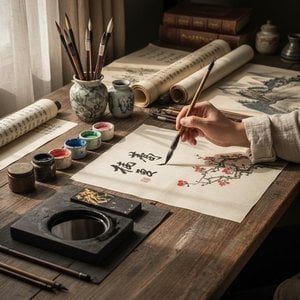
Embark on a sophisticated exploration of ink wash painting and Sumi-e. Uncover the profound historical lineages, Zen philosophies, and technical mastery behind this timeless medium in our authoritative guide for fine art enthusiasts.

Explore the dramatic evolution of Northern Mannerism. Discover how masters like Bosch and Grünewald transitioned from Renaissance harmony to profound, elegant distortion through an expert analysis of symbolism, emotional intensity, and artistic innovation.

Embark on a profound journey through the soul of Chinese calligraphy. Explore the historical mastery of ink, brush, and script, from ancient Zhuanshu to elegant running script, and discover how this timeless art form reflects the enduring spirit of classical East Asian aesthetics.

 Náhled
 Sdílet
 Sdílet
 Podrobnosti o díle

 Stáhnout
 Podobné položky
 Rentgenové snímky
 Slideshow

 Zobrazit více







 Skleněná varianta je dostupná pouze u rozměrů menších než 110 cm


