x
Koupit tisk Koupit tiskKoupit obrázek Koupit obrázek SdíletSdílet
Podrobnosti o dílePodrobnosti o díle Přidat do oblíbených Přidat do oblíbených StáhnoutStáhnout Podobné položkyPodobné položky SlideshowSlideshow

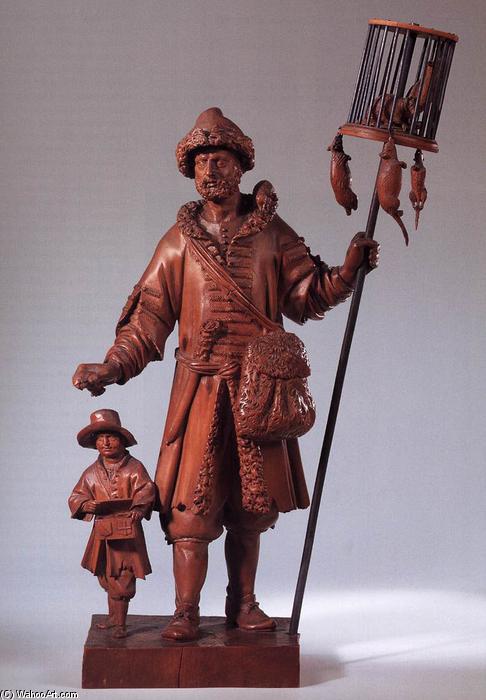
Lovák krysy

Pozorujte „Lováka krysy“, úžasnou barokovou plastikou Ambrosia van Swola z roku 1660. Objevte tuto složitě vyřezávanou nizozemskou výtvarnou dílo – fascinující pohled na umění sedmého století.

Discover Ambrosius van Swol, a Dutch master of the 17th century! Explore his captivating rat-catcher scenes & historical art at Museum Van Loon & beyond.

Ručně malovaná olejová reprodukce

Ručně malovaná olejná barva na plátně ve vašem zvoleném rozměru i s rámem, vyrobená našimi umělci na zakázku. (Koupit tisk Koupit tiskKoupit obrázek Koupit obrázek)

Standardní velikost
na míru
CM
INCH

Vyberte si z našich přednastavených velikostí, které odpovídají původním proporcím díla.

šířka
výška

Můžete zadat vlastní rozměry pro konkrétní rám nebo prostor. Pokud se vámi vybraná velikost neshoduje s proporcemi původního obrazu, dílo buď ořízneme, nebo jej doplníme ručně malovanými prvky. Před zahájením výroby vám bude zaslán digitální náhled ke schválení.
Upozorňujeme, že náhled na obrazovce neodpovídá skutečnému ořezu ani rozšíření. Pouze digitální náhled přesně zobrazí finální kompozici.
Ačkoliv je možné zvolit vlastní velikost, pro zachování původních proporcí doporučujeme vybrat rozměr z předdefinovaného seznamu.

Příklady možných změn: Nahrazení obličeje vlastní fotografií; Přidání domácího mazlíčka (např. nahrazení kočky psem); Vložení skrytého vzkazu do pozadí; Změna krajiny nebo prvků v pozadí.
Po přijetí objednávky vám tým WahooArt.com zašle e-mail s pokyny a poskytne náhledovou verzi.

Celosvětová doprava () za 3–4 týdny namísto standardních 5 týdnů. (5 září). Bez kompromisů v kvalitě.

why_choose_icon
Zdarma celosvětová expresní doprava
why_choose_icon
Vysoce kvalitní lněné plátno
why_choose_icon
Kompletní přepravní pojištění
why_choose_icon
Záruka vrácení celního poplatku
why_choose_icon
Záruka přesného barevného shodu
why_choose_icon
60denní lhůta pro vrácení zboží (pouze při vadách výroby)
why_choose_icon
100% garance vrácení peněz
why_choose_icon
Sleva při hromadné objednávce

Celková cena

$ 272

reproduction

Lovák krysy

Technika reprodukce

Rozměry reprodukce

-

Celková cena za výběr

$ 272

Základní informace

  • Title: The Rat-Catcher
  • Medium: Boxwood with lead and cord
  • Movement: Baroque
  • Location: Museum Van Loon
  • Subject or theme: Rat capture; Folklore
  • Dimensions: 26.5 cm x 17 cm x 8.5 cm
  • Artistic style: Naturalism; Expressive dynamism

Ambrosius van Swol: A Silent Sculptor Shaping Utrecht’s Baroque Vision

Ambrosius van Swol (c. 1640 – 1680) remains a figure shrouded in relative obscurity compared to his contemporaries—artists who graced the canvases of Rembrandt and Vermeer—yet his contribution to Dutch Baroque sculpture deserves recognition as a testament to artistic innovation within a period defined by grandeur and dramatic expression. Born in Utrecht, Netherlands, Van Swol’s life details are scarce, leaving much to speculation about his formative years and early artistic inclinations. However, surviving documentation confirms he established himself as a sculptor and frame maker around 1643, marking the beginning of a prolific career that spanned nearly four decades. His work embodies the spirit of Utrecht during this golden age—a city brimming with wealth, ambition, and an unwavering devotion to artistic excellence.

Early Career & Patronage: Frames That Enhance Beauty

Van Swol’s initial commissions primarily focused on crafting ornate frames for paintings—a crucial element in the visual culture of Utrecht during his time. These frames weren't merely decorative; they were meticulously designed to enhance the luminosity and color palette of artworks, reflecting a sophisticated understanding of optics and artistic aesthetics. Evidence suggests he worked under the patronage of influential families like the Van Loon clan, whose opulent estates served as hubs for artistic activity. The frame maker’s craft demanded precision and artistry—a skill that undoubtedly honed Van Swol's sculptural sensibilities. He skillfully manipulated materials like wood and alabaster to create frames that complemented the paintings they housed, elevating them to new levels of visual splendor.

“The Rat-Catcher”: A Dramatic Narrative in Marble

“The Rat-Catcher,” created around 1660, stands as Van Swol’s most celebrated achievement—a sculpture currently residing at Museum Van Loon and captivating visitors with its masterful depiction of a moment frozen in time. Executed in polished marble, the piece exemplifies the Baroque style's penchant for dramatic realism and emotional intensity. It portrays a rat catcher engaged in capturing a rodent with considerable skill and determination – an image imbued with symbolism reflecting themes of vigilance, cunning, and triumph over adversity. Like Rembrandt’s etching of 1632 which also shows a rat-catcher and a young assistant in a similar arrangement and poses, Van Swol drew inspiration from the prevailing artistic trends of his era. The sculpture's meticulous anatomical detail—particularly the musculature of the rat catcher’s arms—demonstrates Van Swol’s mastery of sculptural technique and his commitment to portraying human figures with unparalleled accuracy.

Style & Technique: Vinckenbrinck’s Influence

Van Swol’s style aligns closely with Albert Vinckenbrinck, a prominent Utrecht sculptor who championed naturalism and expressive dynamism. Like Vinckenbrinck, Van Swol prioritized conveying emotion through form—capturing the physicality of movement and gesture to imbue his sculptures with palpable vitality. His works are characterized by smooth surfaces, polished marble or alabaster, and subtle drapery folds that contribute to an overall sense of elegance and sophistication. The sculptor’s technique involved careful carving and polishing – processes demanding patience and unwavering attention to detail—resulting in artworks that radiate a timeless beauty.

A Rediscovered Masterpiece: Symbolism & Legacy

Despite his considerable talent, Van Swol’s artistic legacy endured relative obscurity for centuries—primarily due to the limited surviving documentation of his life and oeuvre. However, recent scholarship has begun to illuminate his significance as a sculptor who skillfully blended technical virtuosity with humanist ideals. Museums like Museum Van Loon are actively promoting awareness of Van Swol's contribution to Dutch Baroque art, ensuring that this silent sculptor’s remarkable vision continues to inspire future generations. His enduring influence testifies to the power of art—a force capable of capturing not only visual beauty but also profound emotional resonance.

Biografie umělce

The Silent Sculptor of Utrecht

In the golden twilight of the Dutch seventeenth century, amidst the bustling workshops of Utrecht, lived a master whose hands shaped both the boundaries of art and the figures within them. Ambrosius van Swol (c. 1640 – 1680) remains a figure shrouded in a certain poetic obscurity, a name whispered alongside the giants of his era like Rembrandt and Vermeer, yet possessing a distinct, tactile legacy. While history often favors the sweeping narratives of painters, Van Swol carved a niche for himself through a dual mastery of the frame and the form. His early documented career, beginning around 1643, reveals an artist deeply embedded in the visual fabric of his city, serving as both a meticulous frame maker and a sculptor of profound anatomical insight.

To understand Van Swol is to understand the importance of the threshold. In his early years, he was renowned for crafting ornate frames that were far more than mere borders; they were essential extensions of the masterpieces they held. These gilded and carved enclosures were designed with a sophisticated grasp of optics, intended to enhance the luminosity and color palettes of the era's great paintings. Through this work, Van Swol developed an intimate relationship with light and shadow, a sensitivity that would later breathe life into his three-dimensional creations.

A Mastery of Form and Drama

As his career matured, Van Swol’s true sculptural voice emerged, characterized by the dramatic realism and emotional intensity synonymous with the Baroque style. His most celebrated achievement, “The Rat-Catcher,” stands as a testament to this period of creative flowering. Executed around 1660, this remarkable piece transcends simple depiction to offer a visceral glimpse into the grit and determination of everyday life. The sculpture captures a moment of focused tension, where the musculature of the figure—particularly the straining arms of the catcher—is rendered with an unparalleled accuracy that speaks to his deep study of human anatomy.

This work was not born in isolation but was part of a rich dialogue with the broader Dutch artistic landscape. Van Swol’s sculptural vision aligned closely with the naturalism and expressive dynamism championed by Albert Vinckenbrinck, another prominent Utrecht sculptor. There is a palpable sense of movement and life in his figures, an attempt to freeze a singular, breathless moment of action within the permanence of stone or bronze. His ability to convey complex human emotions through physical form allowed him to bridge the gap between the decorative and the profound.

Legacy and Historical Significance

Though his life was relatively short, ending in 1680, the impact of Van Swol’s craftsmanship left an indelible mark on the Utrecht school. His work often drew inspiration from the evocative imagery found in the etchings of Rembrandt, particularly the themes of common laborers and the dramatic interplay of light. By translating the graphic energy of printmaking into the physical weight of sculpture, he contributed to a unique synthesis of mediums that defined the Dutch Golden Age.

Today, the remnants of his brilliance can still be found in prestigious collections, such as Museum Van Loon, where his work continues to invite contemplation. His legacy is defined by several key contributions:

  • The Art of the Frame: Elevating the decorative border into a vital component of the viewing experience through an advanced understanding of light and aesthetics.
  • Baroque Realism: Bringing a heightened sense of anatomical truth and emotional urgency to small-scale sculpture.
  • Cultural Integration: Connecting the sculptural traditions of Utrecht with the broader, world-renowned influences of the Dutch masters.

Ambrosius van Swol may be remembered as a "silent" sculptor, yet his work speaks with a resounding clarity, reminding us that the true essence of art often lies in the meticulous details and the profound strength found in the most humble of subjects.

ambrosius van swol

ambrosius van swol

1640 - 1680 , Netherlands

Rychlé fakta

  • Artistic Movement Or Style: Baroque
  • Artists Or Movements Influenced By This Artist: ['Vincent Van Gogh']
  • Artists Who Influenced This Artist: ['Albert Vinckenbrinck']
  • Date Of Birth: Utrecht, Netherlands (1640)
  • Full Name: Ambrosius van Swol
  • Nationality: Dutch
  • Notable Artworks: ['The Rat-Catcher']
  • Place Of Birth: Utrecht
Prozkoumejte umělecká díla uspořádaná podle témat, stylů a charakteristik.