


 Ink On Paper
 1696Early Modern
 18.0 x 51.0 cm
Giclée печат или принт върху платно с музейно качество, бързо производство и гъвкави опции за завършен вид. ( Купете ръчно рисувана картина Купете изображение)
Изберете от предварително зададените размери, които съответстват на оригиналните пропорции на произведението.

Можете да въведете собствени размери, за да паснат на конкретна рамка или пространство. Ако избраният от Вас размер не съвпада с пропорциите на оригиналното изображение, ние ще изрежем произведението или ще разширим изображението с огледален или едноцветен ръб. Дигитален макет ще бъде изпратен за Ваше одобрение преди започването на производството.
Моля, имайте предвид, че предпрегледът на екрана не отразява реалното изрязване или разширяване. Само макетът ще покаже точно финалната композиция.
Въпреки че са налични персонализирани размери, препоръчваме да изберете размер от предварително дефинирания списък, за да запазите оригиналните пропорции.
Доставка по целия свят () в рамките на 2 седмици вместо стандартните 4/5 седмици. (6 Септември)


Letter
Размер на репродукцията
In the delicate dance of ink upon aged paper, we find a profound connection to the soul of seventeenth-century Japan. This exquisite Letter by the celebrated haiku poet Shiba Sonojo is far more than a mere piece of correspondence; it is a living relic of a spiritual and literary era. The artwork presents a mesmerizing display of calligraphy, where each stroke of the black ink breathes with the disciplined yet fluid grace of a woman trained in the sacred traditions of Shinto and Zen Buddhism. The paper itself, bathed in a warm, mellowed yellow hue, serves as a nostalgic canvas that evokes the passage of centuries, inviting the viewer to step back into the refined atmosphere of the Edo period.
The visual composition is a masterclass in balanced asymmetry. While the primary focus remains the rhythmic flow of the characters, the piece is elevated by breathtaking decorative elements that frame the text with natural splendor. At the upper periphery, two birds appear to hover, adding a sense of life and movement to the stillness of the page. These are complemented by delicate floral motifs—soft blossoms positioned near the center and right margins—that ground the calligraphy in the ephemeral beauty of the natural world. This integration of text and imagery creates a multidimensional experience, where the written word and the painted blossom exist in a state of perfect, poetic harmony.
To behold this work is to witness the intersection of personal intimacy and high artistry. As a disciple of the legendary Matsuo Bashō, Sonojo’s handwriting carries the weight of her profound spiritual lineage. The technique employed here—informal yet undeniably elegant—betrays a mastery of brushwork that reflects both her upbringing as a daughter of a Shinto priest and her later life as a scholar of Zen. For collectors and connoisseurs, the piece offers a rare glimpse into the "wabi-sabi" aesthetic, finding profound beauty in the imperfect, the aged, and the transient. The way the ink settles into the fibers of the paper suggests a moment of deep contemplation, captured forever in time.
For those looking to integrate such a piece into a curated interior, the Letter offers an unparalleled sense of tranquility and historical depth. Whether placed in a minimalist modern setting or a more traditional study, its soft palette of gold, black, and floral accents provides a sophisticated focal point that stimulates intellectual curiosity. It is not merely a decoration but a conversation starter—a window into a lost world of poetic pilgrimage, spiritual purity, and the quiet, enduring power of the written word.


1664 - 1726 , Japan
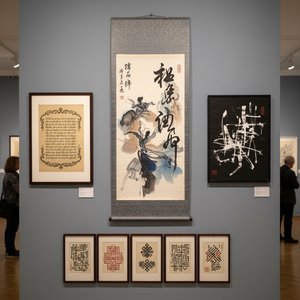
Explore the profound beauty of calligraphy art. From the fluid running script of Chinese masters to historical ink masterpieces, discover how the elegance of line transforms spaces with timeless grace and scholarly sophistication.

Embark on a profound journey through the soul of Chinese calligraphy. Explore the historical mastery of ink, brush, and script, from ancient Zhuanshu to elegant running script, and discover how this timeless art form reflects the enduring spirit of classical East Asian aesthetics.

Elevate your artistry with our expert guide to acrylic on paper. Master advanced techniques in texture, color theory, and layering to create professional-grade modern masterpieces. Perfect for art students seeking technical depth and creative excellence.

Explore the profound beauty of Japanese Ukiyo-e art. Discover the legacy of Hokusai and the Utagawa school through an expert exploration of Edo-period aesthetics, seasonal motifs, and the enduring global influence of Japan's 'Floating World' on fine art history.

Explore the profound beauty of Japanese landscape painting. From Hokusai's iconic vistas to Zen-inspired compositions, discover the spiritual depth and historical mastery of Ukiyo-e art in this expert cultural retrospective.

 Представи си го
 Изпрати
 Сподели
 Детайли

 Изтегляне
 Подобни
 Рентгенова снимка
 Слайдшоу
 Прочетете повече




































 Стъклото е налично само в размери под 110 см


