Представи си гоПредстави си го AR прегледAR преглед Превключване към принт Превключване към принтКупете ръчно рисувана картина Купете ръчно рисувана картина ИзпратиИзпрати
ДетайлиДетайли Добавяне към любими Добавяне към любими ИзтеглянеИзтегляне ПодобниПодобни Рентгенова снимкаРентгенова снимка СлайдшоуСлайдшоу СтатистикаСтатистика

Ferdinand I

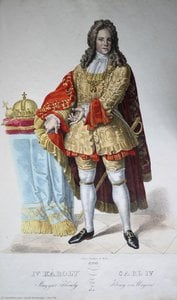
Discover the regal portrait of Ferdinand I by Josef Kriehuber, 1828. A detailed, realistic masterpiece showcasing royal authority, noble attire, and intricate symbolism. Perfect for art collectors and history enthusiasts.

Йозеф Криехубер е австрийски литограф, известен с над 3000 портрета на виенско общество от периода Бидермайер. Неговите прецизни изображения предлагат уникален поглед към 19-ти век чрез впечатляващ брой завладяващи картини.

Закупете дигитално изображение с висока резолюция и подобрени характеристики, значително по-добро от онлайн прегледа.

Всеки файл е щателно подготвен от нашите специалисти с помощта на съвременни инструменти и експертна ръчна ретуш. Гарантираме, че всяко изображение има изключителна яснота, прецизна цветова точност и фини детайли.

Окончателният файл се доставя по имейл в рамките на 72 часа, оптимизиран за незабавна употреба в професионални, редакционни и печатни среди. Това е същото качество, на което се доверяват водещи дизайнерски студия, издатели и галерии.

Дигитално изображение

Изтеглете файл с висока резолюция за лично показване, принтиране и творчески проекти. (Превключване към принт Превключване към принтКупете ръчно рисувана картина Купете ръчно рисувана картина)

Обща цена

$ 24,90

Включено във всяка поръчка за дигитални изображения

Експресна дигитална доставка, гарантирана

Когато изберете WahooArt.com, вие не получавате само изображение – вие получавате професионално подобрена дигитална творба, създадена с прецизност и подкрепена от гаранция за удовлетворение. Ето всичко, което автоматично се включва в вашата поръчка:

shipping_icon
Бърза доставка по имейл

Вашето дигитално изображение с висока резолюция ще ви бъде изпратено по имейл в рамките на 72 часа от поръчката - готово за незабавно използване.

canvas_icon
Дигитален файл с подобрено качество чрез изкуствен интелект

Вашата картина е професионално оптимизирана с помощта на усъвършенствани инструменти за изкуствен интелект и ръчна редакция, осигурявайки максимална детайлност, яснота и точност на цветовете.

insurance_icon
Безплатна доживотна повторна доставка

Изгубили сте или сте премахнали файла си по погрешка? Не се притежнявайте – ще го изпратим отново на Вас по всяко време, безплатно.

tax_icon
Без такки за мито - никога

Всредите си веднага без мита, данъци или такси по доставка - дигителните приложения винаги са без данъчно освободени.

color_icon
Гаранция за точност на цветовете

Гарантираме, че вашето дигитално изображение отразява оригиналните цветове възможно най-точно, използвайки професионални инструменти и управление на цветовете.

return_icon
100-дневна гаранция за удовлетвореност

Ако не сте доволни от вашето дигитално изображение, ще го преработим или ще възстановим 100% от сумата в рамките на 100 дни – без излишни въпроси.

guarantee_icon
100% Гаранция за връщане на пари.

Не сте доволни? Получете пълен възврат на сумата в рамките на 100 дни от получаването на вашия цифров файл – без излишни въпроси.

discount_icon
Отстъпки за големи поръчки

Купете 3 изображения, спестете 10% - Купете 5, спестете 15% - Купете 10+, спестете 20%. Отлично за творчески проекти, галерии и агенства.

Бързи факти

  • style: Realistic, classical portraiture
  • year: 1828
  • subject: Ferdinand I, a monarch depicted with regal attire, crown, scepter, and noble symbolism
  • notable_elements: Richly adorned armor, intricate embroidery, regal crown, scepter, formal pose
  • title: Ferdinand I

Тест за изкуство

Има само един верен отговор за всеки въпрос.

Въпрос 1:
Who is the artist of the portrait titled 'Ferdinand I' created in 1828?
Въпрос 2:
What is the primary subject depicted in this artwork?
Въпрос 3:
Which artistic style best describes this portrait?
Въпрос 4:
Which symbolic elements are prominently featured in the portrait of Ferdinand I?
Въпрос 5:
What technique is Josef Kriehuber most renowned for in his artworks?

Majestic Portrait of Ferdinand I: A Masterpiece of 19th-Century Regal Art

Step into the grandeur of the Austrian monarchy with this exquisite portrait of Ferdinand I, a distinguished ruler whose legacy is captured with meticulous detail and regal splendor. Created in 1828 by the renowned Austrian artist Josef Kriehuber, this artwork exemplifies the classical portraiture style that celebrates nobility, authority, and divine right. Its commanding presence makes it an ideal centerpiece for collectors, interior designers, and art enthusiasts seeking to elevate their space with a piece that embodies both historical significance and artistic excellence.

Subject and Symbolism: A Regal Sovereign

This portrait presents Ferdinand I in full regal attire, emphasizing his status as a sovereign and symbol of stability within the Habsburg Empire. Dressed in elaborate armor and richly embroidered garments, he wears a majestic crown and holds a scepter—traditional symbols of power and sovereignty. The regal cape, with its vibrant pink and gold accents, further accentuates his noble stature. The composition centers the figure prominently, conveying dominance and respect, while subtle details in his expression evoke a sense of dignity, responsibility, and contemplative leadership. This work not only honors the individual but also embodies the ideals of monarchy and divine authority that defined the era.

Artistic Style and Technique: Realism with Regal Grandeur

Josef Kriehuber’s masterful technique shines through in this highly detailed and realistic portrait. Employing lithography and fine brushwork, the artist captures the textures of metallic armor, soft fabrics, and intricate embroidery with exceptional precision. The use of light and shadow enhances the three-dimensionality of the figure, creating a lifelike presence that commands attention. The composition’s symmetry, combined with slight asymmetrical nuances in the pose, adds a dynamic yet balanced aesthetic. The neutral background ensures all focus remains on the subject, emphasizing his importance and the craftsmanship behind the work.

Historical Context and Cultural Significance

Painted during a period of political stability and imperial pride, this portrait reflects the ideals of 19th-century European monarchy. Ferdinand I, known for his diplomatic role and leadership, is immortalized here as a symbol of authority and continuity. The artwork serves as a visual testament to Austria’s rich history, capturing a moment when art and monarchy intertwined to reinforce legitimacy and national identity. As a collectible, it offers a glimpse into the grandeur of the Habsburg dynasty and the artistic traditions that celebrated royal figures with reverence and dignity.

Emotional Impact and Interior Inspiration

This portrait evokes a sense of awe and admiration, inspiring viewers with its regal elegance and historical gravitas. Its commanding presence makes it an ideal focal point in a sophisticated living room, office, or gallery space, adding a touch of aristocratic refinement. The detailed craftsmanship and noble symbolism invite contemplation and appreciation, making it a meaningful addition for those passionate about history, royalty, or fine art. Whether displayed as a standalone statement or part of a curated collection, this work promises to elevate any interior with its timeless beauty and emotional resonance.

A Timeless Investment for Art Lovers and Collectors

Owning a high-quality reproduction of this portrait allows art lovers and interior designers to bring a piece of 19th-century European history into their environment. Its artistic mastery, historical depth, and regal symbolism make it a valuable investment that combines aesthetic appeal with cultural significance. Perfect for framing in a classic or modern setting, this artwork offers a lasting impression of grandeur, craftsmanship, and historical storytelling—an enduring treasure for generations to come.

Биография на художника

A Chronicler of Viennese Society: The Life and Art of Josef Kriehuber

Josef Kriehuber, born in Vienna on December 14th, 1800, wasn’t merely a painter or lithographer; he was a meticulous recorder of his era – a visual chronicler of Viennese society during the vibrant yet turbulent Biedermeier period. His legacy isn't defined by grand historical narratives or sweeping mythological scenes, but rather by an astonishingly detailed and intimate portrayal of everyday life, captured through the remarkable precision of lithography. From humble beginnings as a drawing teacher in Poland, Kriehuber’s artistic journey led him back to Vienna, where he quickly established himself as one of the most prolific portrait artists of his time, leaving behind over 3000 images – a testament to both his skill and the immense demand for his work. His art offers an unparalleled window into the social fabric, personalities, and cultural landscape of 19th-century Austria.

The Biedermeier Portraitist: A Window into an Era

Kriehuber’s artistic development was inextricably linked to the Biedermeier movement, a reaction against the excesses of the preceding era. Born from the aftermath of Napoleon's conquests, Biedermeier valued domesticity, simplicity, and a deep appreciation for the ordinary. This ethos resonated profoundly with Kriehuber’s sensibilities; he eschewed theatrical grandeur in favor of capturing the quiet dignity and subtle nuances of his subjects. Initially exploring landscape lithography, it was portraiture that truly ignited his talent and became his defining medium. He didn't aim to create idealized representations or heroic figures; instead, he sought to document individuals with honesty and accuracy, revealing their character through careful observation and meticulous technique. His portraits weren’t mere likenesses; they were visual records of status, personality, and the spirit of an age – a snapshot of Viennese society as it existed in the mid-19th century.

Technical Mastery and the Democratization of Portraiture

Kriehuber's mastery of lithography was central to his success. This innovative technique allowed for the relatively rapid and affordable reproduction of images, democratizing portraiture in a way that had never been possible before. Previously, formal portraits were exclusively accessible to the wealthy elite; Kriehuber’s work made it attainable to a much wider audience – from nobility and government officials to merchants and ordinary citizens seeking a lasting image of themselves or their loved ones. He wasn't simply replicating appearances; he was crafting visual narratives, capturing not just physical resemblance but also the subtle expressions that revealed personality and social standing. His meticulous attention to detail, combined with his understanding of light and shadow, created portraits that were both strikingly realistic and deeply engaging. The speed and cost-effectiveness of lithography fueled an unprecedented demand for Kriehuber’s work, contributing significantly to his prolific output.

Beyond the Portrait: Documenting Vienna's Cultural Landscape

While celebrated primarily for his portraits, Kriehuber’s artistic vision extended beyond individual representation. He recognized the importance of documenting the urban landscape itself, particularly the vibrant atmosphere of Vienna’s Prater park. His lithographs depicting scenes from the Prater offer invaluable insights into 19th-century Viennese life and culture – a bustling hub of entertainment, leisure, and social interaction. These weren't simply picturesque views; they were snapshots of a society at ease, revealing details about fashion, social customs, and the recreational habits of the time. He captured the energy and excitement of the Prater, showcasing its diverse attractions and the people who flocked to enjoy them – from carousel riders to fortune tellers, from musicians to vendors. Through these studies, Kriehuber transformed himself into a visual historian, preserving for posterity the sights and sounds of a rapidly changing city.

Legacy and Recognition: A Lasting Impression

Kriehuber’s influence extended beyond his prodigious output. He served as a teacher at the Theresianum Academy in Vienna, nurturing future generations of artists and imparting his technical expertise. In 1860, he received significant recognition with the Franz Joseph Order, acknowledging his contributions to Austrian art. However, the rise of photography towards the end of his life presented a challenge to his profession. As photographic portraiture became more accessible and affordable, demand for lithographic portraits declined, leading to financial hardship in his later years. Despite this setback, Kriehuber continued to work diligently until his death on May 30th, 1876, leaving behind an extraordinary body of work that continues to captivate and inform us today. His legacy lies not only in the sheer number of portraits he created but also in their historical significance as a visual record of 19th-century Central European society – a testament to his keen eye, technical skill, and unwavering dedication to capturing the essence of his time. Collections of his works are held at the Albertina museum and the Austrian National Library, ensuring that his art will continue to be appreciated for generations to come. His work remains a poignant reminder of the power of observation and the enduring appeal of documenting the human spirit.

Йозеф Крьюхюбер

Йозеф Крьюхюбер

1800 - 1876 , Австрия

Бързи факти

  • Artistic Movement Or Style: Реализъм, Бидермайер
  • Artists Or Movements Influenced By This Artist: ['Фридрих Крийхубер']
  • Date Of Birth: 1800-12-14
  • Full Name: Josef Kriehuber
  • Nationality: Австриец
  • Notable Artworks:
    • Портрети
    • Сцени от Пратер
  • Place Of Birth: Виена, Австрия