معاينة الحجم الحقيقيمعاينة الحجم الحقيقي معاينة بالواقع المعززمعاينة بالواقع المعزز اشترِ لوحة مرسومة يدويًا اشترِ لوحة مرسومة يدويًاالانتقال إلى الصورة الرقمية الانتقال إلى الصورة الرقمية مشاركةمشاركة
التفاصيلالتفاصيل أضف إلى المفضلة أضف إلى المفضلة تحميل الملفتحميل الملف قطع مشابهةقطع مشابهة الأشعة السينيةالأشعة السينية عرض شرائحعرض شرائح الإحصائياتالإحصائيات

Marine

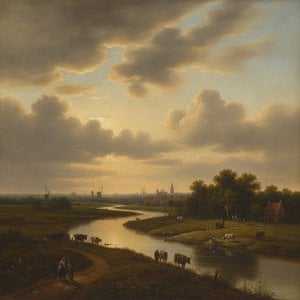
Experience the serene beauty of Salomon van Ruysdael's "Marine" (1650). This Dutch Golden Age masterpiece captures a tranquil river scene with a sailboat, showcasing masterful light and detail.

اكتشف سالومون فان رويسديل، رسام المناظر الطبيعية في العصر الذهبي الهولندي، المشهور بمشاهد الأنهار التفصيلية والطبيعة الصامتة. استكشف أسلوبه المبتكر وإرثه الفني!

طباعة جيلي / مطبوعات فنية

طباعة جيكلي أو كانفاس بجودة المتاحف، مع سرعة في التنفيذ وخيارات متنوعة للتشطيب. (اشترِ لوحة مرسومة يدويًا اشترِ لوحة مرسومة يدويًاالانتقال إلى الصورة الرقمية الانتقال إلى الصورة الرقمية)

P118B $10
P118H $10
P118W $10
P438Z $10
P508JH $12
P508YH $12
P805H $10
P805Z $10
P919BZ $10
P919G $10
P919XJ $10
P959ZH $10
P968JZ $12
W106C $8
W218G $10
W218JH $8
W218Y $10
W307PJ $10
W316G $10
W316PJ $8
W316Y $10
W398PJ $8
W4111J $10
W500HY $15
W500JH $15
W692G $12
W849H $8
W940BG $15
W953PJ $8

قياسي
حسب الطلب
CM
INCH

اختر من بين أحجامنا المُعدّة مسبقًا والتي تتطابق مع النسب الأصلية للعمل الفني.

العرض
الارتفاع

يمكنك إدخال أبعادك الخاصة لتناسب إطاراً أو مساحة معينة. وإذا لم يتطابق الحجم الذي اخترته مع نسب الصورة الأصلية، فسنقوم إما بقص العمل الفني أو تمديد الصورة باستخدام حافة معكوسة أو بلون مصمت. سيتم إرسال نموذج تجريبي رقمي لاعتمادك قبل بدء الإنتاج.
يرجى ملاحظة أن المعاينة على الشاشة لا تعكس عملية القص أو التمديد الفعلية؛ حيث سيوضح النموذج التجريبي فقط التكوين النهائي بدقة.
وعلى الرغم من توفر أحجام مخصصة، إلا أننا نوصي باختيار أبعاد من القائمة المحددة مسبقاً للحفاظ على النسب الأصلية.

توصيل عالمي إلى خلال أسبوعين بدلاً من المدة القياسية البالغة 4/5 أسابيع. 10 سبتمبر

why_choose_icon
شحن سريع ومجاني لجميع أنحاء العالم
why_choose_icon
قماش كتان عالي الجودة
why_choose_icon
تأمين شحن شامل
why_choose_icon
ضمان استرداد الرسوم الجمركية
why_choose_icon
ضمان مطابقة الألوان الحقيقية
why_choose_icon
سياسة الإرجاع خلال 100 يوم (في حالات العيوب فقط)
why_choose_icon
ضمان استرداد نقدي بنسبة 100%
why_choose_icon
خصم عند طلب عدة قطع

إجمالي السعر

$ 68

reproduction

Marine

طباعة جيلي / مطبوعات فنية

مقاس النسخة المطبوعة

-

السعر الإجمالي النهائي

$ 68

معلومات سريعة

  • Artistic style: Realism, Landscape
  • Notable elements: River scene, sailboat
  • Influences: Jan van Goyen
  • Location: Metropolitan Museum
  • Dimensions: 35 x 43 cm
  • Subject or theme: Marine landscape
  • Medium: Oil on wood

اختبار الفنون

يوجد إجابة صحيحة واحدة فقط لكل سؤال.

سؤال 1:
What is the primary subject depicted in Salomon van Ruysdael’s ‘Marine’?
سؤال 2:
The painting ‘Marine’ is considered an example of which artistic movement?
سؤال 3:
What type of vessel is prominently featured in the painting, flying the Dutch flag?
سؤال 4:
According to the provided text, what is a key characteristic of Salomon van Ruysdael’s style?
سؤال 5:
In what year was ‘Marine’ painted, according to the information provided?

A Moment Frozen in Time: The Allure of Salomon van Ruysdael's Marine

Salomon van Ruysdael’s “Marine,” painted around 1650, isn’t merely a depiction of a seascape; it’s an invitation to step into a tranquil moment suspended between the vastness of the ocean and the quietude of a coastal town. This remarkable work, currently residing within the hallowed halls of The Metropolitan Museum of Art in New York, exemplifies the pinnacle of Dutch Golden Age painting – a period defined by meticulous detail, atmospheric realism, and an extraordinary ability to capture the subtle nuances of light and shadow. More than just a pretty picture, “Marine” offers a profound glimpse into 17th-century life, maritime practices, and the artist’s masterful command of color and composition.

At first glance, the painting presents a deceptively simple scene: a serene river flowing towards the sea, dotted with small boats engaged in various activities – fishing, transporting goods, or simply enjoying the day. A lone sailboat, its billowing sails catching the wind, cuts through the water, flying the proud banner of the Dutch Republic. However, beneath this apparent simplicity lies a wealth of carefully considered details and symbolic elements. Van Ruysdael wasn’t just painting what he saw; he was crafting an experience, evoking a sense of peace, order, and connection to nature – values deeply ingrained in the ethos of the Dutch Golden Age.

The Art of the Dutch Masters: Technique and Style

Van Ruysdael’s skill lies not only in his ability to render realistic details but also in his masterful use of technique. The painting is executed in oil on wood, a medium that allowed for rich colors and subtle gradations of tone. Notice how the artist employs broken brushstrokes – tiny, individual marks of paint – to create the illusion of shimmering water and billowing clouds. This technique, known as “impasto,” adds texture and depth to the scene, drawing the viewer’s eye into the heart of the composition. The careful layering of colors, particularly in the depiction of the sky and water, creates a remarkable sense of atmospheric perspective – the way that distant objects appear paler and less distinct than those closer to the viewer.

The color palette is restrained yet remarkably effective. Predominantly blues and grays dominate the scene, reflecting the cool tones of the sea and sky. The boats are painted in a range of browns and whites, providing contrast against the darker background. Van Ruysdael’s use of light is particularly noteworthy; it's diffused and gentle, casting long shadows and creating a sense of quiet contemplation. This subtle illumination contributes significantly to the painting’s overall mood – one of serenity and tranquility.

A Window into 17th-Century Life: Historical Context

“Marine” offers a fascinating glimpse into the daily life of coastal communities in the Netherlands during the 17th century. The presence of the “schouw,” a type of shallow-draft sailing vessel used for transporting goods and passengers along inland waterways, is particularly significant. These boats were vital to the Dutch economy, facilitating trade and connecting distant towns and villages. The inclusion of buildings on the distant shoreline – reminiscent of coastal towns – further anchors the scene in its historical context. The painting isn’t simply a landscape; it's a snapshot of a thriving maritime society.

Furthermore, the painting reflects the broader cultural values of the Dutch Golden Age. The emphasis on order, industry, and connection to nature was central to the Dutch worldview. Van Ruysdael’s “Marine” embodies these values, offering a vision of a harmonious relationship between humanity and the natural world. The painting's popularity during its time speaks volumes about this shared cultural appreciation.

Bringing "Marine" Home: Reproduction and Legacy

Today, reproductions of Van Ruysdael’s “Marine” are available through reputable sources like The Metropolitan Museum of Art and other fine art dealers. A high-quality reproduction captures the essence of the original, allowing you to bring this timeless masterpiece into your own home or office. Consider a canvas print for a truly immersive experience, or an acrylic glass print for a sleek, modern look. Whether you choose a traditional oil on wood reproduction or a more contemporary format, owning a piece inspired by “Marine” is a celebration of Dutch Golden Age artistry and a reminder of the enduring power of beauty and tranquility.


السيرة الذاتية للفنان

سيد المناظر الطبيعية الهولندية المرهف: حياة سالومون فان رويسديل

في العصر الذهبي لهولندا في القرن السابع عشر، تلك الحقبة التي اتسمت بازدهار غير مسبوق وازدهار فني، برز سالومون فان رويسديل كرسام يتمتع بحساسية جوية عميقة. ولد حوالي عام 1602 في ناردن، وكانت حياته متشابكة بعمق مع نسيج العمارة الفنية للعصر الذهبي الهولندي. وبينما يلقي التاريخ بظلال كثيفة على شقيقه الأكثر شهرة، ياكوب فان رويسديل، استطاع سالومون أن يحفر لنفسه مكانة متميزة ولا تُعوض في سجل فن رسم المناظر الطبيعية. إن أعماله لا تكتفي بمجرد تصوير الأرض؛ بل تلتقط الجوهر النابض للريف الهولندي، حيث يؤدي الضوء والماء رقصة صامتة وأبدية عبر اللوحة.

وُضعت أسس فنه في منزل كانت فيه الحرفية والدقة هما الأهم. فقد كان والده، ياكوب يانز دي جوير، حرفياً ماهراً متخصصاً في صناعة إطارات الأبنوس المعقدة التي احتوت على أثمن المرايا واللوحات في ذلك العصر. ومن المرجح أن هذا التعرض المبكر للتفاصيل الدقيقة للإطارات قد غرس في سالومون تقديلاً دائماً للملمس والتماسك الهيكلي. ورغم أن تعليمه الرسمي كان واسعاً بشكل مفاجئ—شاملاً تعقيدات اللاتينية وحتى الطب—إلا أن قلبه ظل مرتبطاً بالعالم المرئي. ومن خلال انضمامه إلى نقابة هارلم المرموقة لـ "القديس لوكا" في عام 1623، دخل دائرة نخبوية من المبدعين، متأثراً بشكل مباشر بأساتذة مثل يان بورسيليس وإيساياس فان دي فيلدي. هؤلاء المعلمون، الذين كانوا رواد المنظور الجوي والواقعية الملاحظة، قدموا له اللغة التقنية التي استخدمها سالومون لاحقاً لتكوين مناظره الهادئة التي تتمحور حول المياه.

سيمفونية الماء والضوء

تكمنت براعة سالومون فان رويسديل الحقيقية في قدرته على تجسيد الخصائص العابرة للجو الهولندي. وخلافاً للعديد من معاصريه الذين سعوا وراء المناظر الدرامية الواسعة أو العواصف الهائجة، وجد سالومون إلهامه الأكبر في سكون الممرات المائية الداخلية. وغالباً ما تتمحور تكويناته حول التدفق الإيقاعي للأنهار والاتساع الهادئ للبحيرات، حيث يلتقي السماء والماء في انتقال سلس من النغمات الخافتة والضوء الناعم. وفي روائع مثل إطلالة نهرية بالقرب من ديفينتر، يمكن للمرء أن يلاحظ كيف يستخدم لوحة ألوان رقيقة لاستحضار الهواء الرهيف والبارد في هولندا، داعياً المشاهد للانغماس في لحظة من السكون العميق.

وتتجلى براعته التقنية بشكل خاص في معالجته للمواضيع البحرية والنهرية. ففي أعمال مثل سفن شراعية في مسطح مائي داخلي، يظهر قدرة لا مثيل لها على التقاط ثقل وحركة القوارب وهي تشق طريقها عبر التيارات الهادئة. كما أن دمج العناصر البشرية—مثل الحضور الخفي للصيادين في لوحة نهر مع صيادين—لا يبدو دخيلاً أبداً؛ بل تعمل هذه الشخصيات على توفير مقياس وإحساس بالواقع المعاش للمشهد الطبيعي. ومن خلال ريشته، يصبح الماء أكثر من مجرد سطح؛ إنه مرآة تعكس السحب المتغيرة والضوء الناعم المنتشر الذي يميز السماء الهولندية.

الإرث والأهمية الفنية

تكمن الأهمية التاريخية لسالومون فان رويسديل في دوره كرائد للمناظر الطبيعية الجوية. فقد ابتعد عن التصويرات الطبوغرافية الجامدة للعصور السابقة نحو تجربة حسية وعاطفية للطبيعة. إن قدرته على مزج دقة عناصر الطبيعة الصامتة مع اتساع رسم المناظر الطبيعية خلقت جمالية فريدة لاقت صدى لدى الطبقة الوسطى الهولندية، التي كانت تبحث عن فن يعكس بيئتها السلمية والمجدّة.

واليوم، يُحفظ إرثه في بعض أعرق المؤسسات في العالم، بما في ذلك متحف تيسين بورنيميزا. إن دراسة أعمال فان رويسديل هي بمثابة درس في الصبر والملاحظة. وتظل أعماله شهادة على الجمال الموجود في البساطة، لتذكرنا بأن أعمق الحقائق الفنية غالباً ما توجد في أكثر الانعكاسات هدوءاً لنهر أو في التوهج الناعم لشمس راحلة. إن مساهمته في العصر الذهبي الهولندي تظل فصلاً أساسياً في قصة كيف تعلمت البشرية أن ترى العالم ليس فقط كما هو، بل كما نشعر به.

سالومون فان رويسديل

سالومون فان رويسديل

1602 - 1670 , هولندا

حقائق سريعة

  • Artistic Movement Or Style: رسم المناظر الطبيعية في العصر الذهبي الهولندي
  • Artists Or Movements Influenced By This Artist: ['Jacob Van Ruisdael']
  • Artists Who Influenced This Artist:
    • Jan Porcellis
    • Esaias van de Velde
  • Date Of Birth: ناردن، هولندا (1602)
  • Date Of Death: 3 نوفمبر 1670
  • Full Name: سالمون فان رويسديل
  • Nationality: هولندي
  • Notable Artworks:
    • منظر طبيعي للنهر
    • عبّارة بالقرب من غورينخيم
    • إطلالة على ديفينتر
  • Place Of Birth: ناردن