معاينة الحجم الواقعي معاينة بالواقع المعزز التبديل إلى المطبوعات التحويل إلى الصورة الرقمية إرسال
عرض التفاصيل دليل الأعمال الفنية للطلاب أضف إلى المفضلة تحميل قطع مشابهة الأشعة السينية عرض شرائح متتابع الإحصائيات

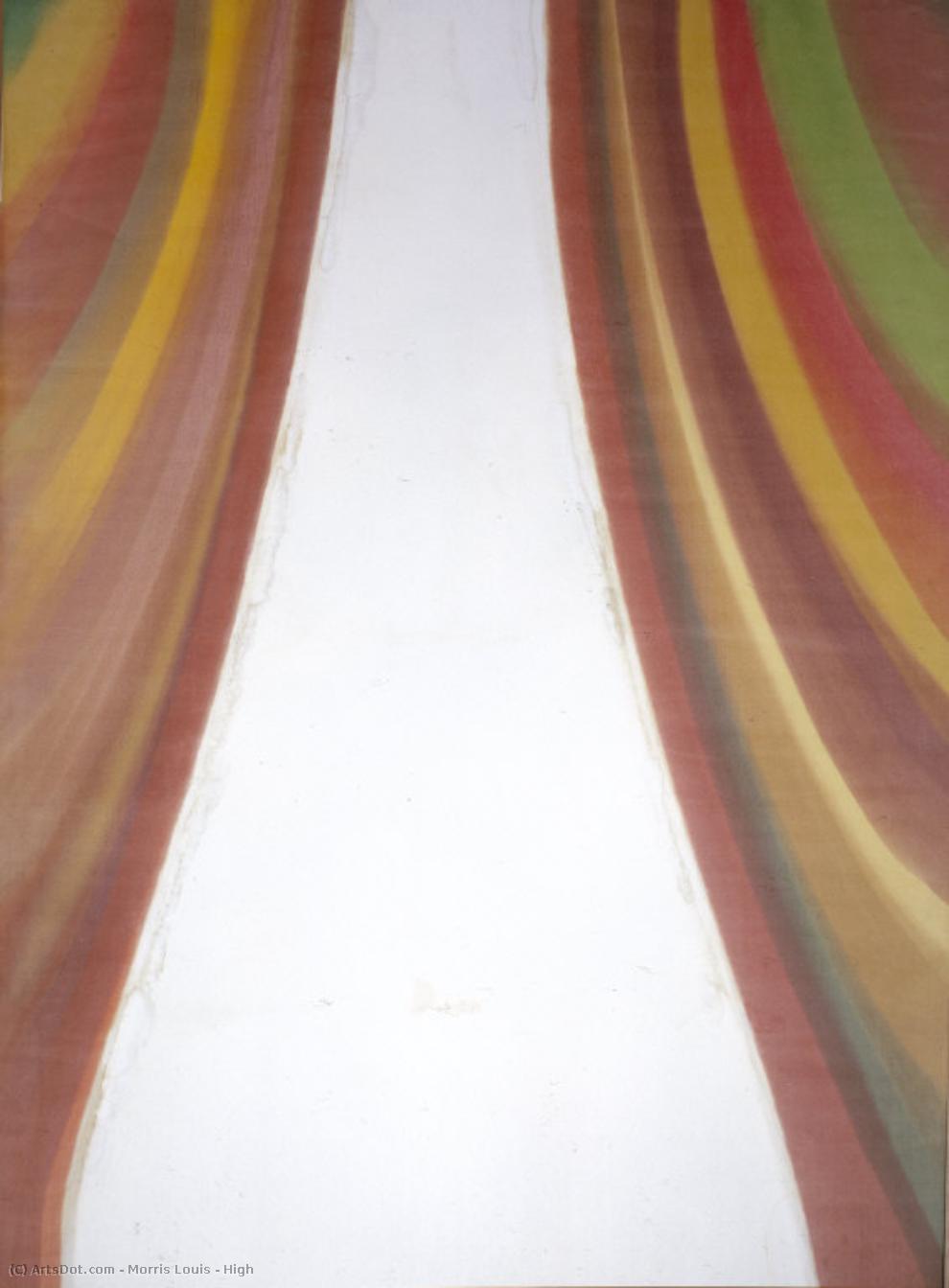
High

Own a stunning High by Morris Louis! This iconic 1959 Color Field painting offers vibrant hues & flowing lines. Hand-painted reproduction – elevate your art collection today.

استكشف أعمال موريس لويس (1912-1962)، رائد فن الحقل اللوني! اكتشف لوحاته المبتكرة بنمط الوشاح، وألوانه النابضة بالحياة، وتأثيره الدائم على الفن التجريدي.

إن العمل الفني المعروض في هذه الصفحة محمي بموجب قوانين حقوق الطبع والنشر، مما يعني أنه لا يحق لنا قانوناً إنشاء أو بيع نسخ مطابقة له. وتُطبق هذه الحماية بموجب الاتفاقيات الدولية مثل الـ اتفاقية برن ووفقاً للقوانين الوطنية، بما في ذلك تلك المنصوص عليها في قانون حقوق الطبع والنشر في الولايات المتحدة - الباب 17.

وكبديل قانوني ومحترم، نقدم أعمالاً فنية مخصصة ومرسومة يدوياً مستوحاة من العمل الأصلي. حيث يقوم فنانونا المهرة والمحترفون بدراسة أسلوب العمل الأصلي، وأجوائه، وجوهره الفني بعناية فائقة لابتكار قطعة جديدة وفريدة تثير الشعور ذاته - مع بقائها عملاً أصيلاً بحد ذاته.

تتوافق هذه الطريقة تماماً مع لوائح حقوق النشر لأنها لا تتضمن نسخ أو تكرار العمل الفني المحمي، بل هي إعادة تفسير إبداعية؛ أي أنها لوحة جديدة مستوحاة من الأصل ولكنها ليست مطابقة له.

نسخة زيتية مصنوعة يدوياً

لوحة زيتية مرسومة يدوياً على الكانفاس بالمقاس والإطار الذي تفضله، تُنفذ حسب الطلب على أيدي فنانينا. ( التبديل إلى المطبوعات التحويل إلى الصورة الرقمية)

Corner sample of the P118B picture frame: moulded polystyrene, 5 cm wide and 3 cm thick
P118B 10
Corner sample of the P118H picture frame: moulded polystyrene, 5 cm wide and 3 cm thick
P118H 10
Corner sample of the P118W picture frame: moulded polystyrene, 5 cm wide and 3 cm thick
P118W 10
Corner sample of the P438Z picture frame: moulded polystyrene, 5.5 cm wide and 3.5 cm thick
P438Z 10
Corner sample of the P508JH picture frame: moulded polystyrene, 7 cm wide and 3.5 cm thick
P508JH 12
Corner sample of the P508YH picture frame: moulded polystyrene, 7 cm wide and 3.5 cm thick
P508YH 12
Corner sample of the P805H picture frame: moulded polystyrene, 5 cm wide and 3.5 cm thick
P805H 10
Corner sample of the P805Z picture frame: moulded polystyrene, 5 cm wide and 3.5 cm thick
P805Z 10
Corner sample of the P919BZ picture frame: moulded polystyrene, 7 cm wide and 3.5 cm thick
P919BZ 10
Corner sample of the P919G picture frame: moulded polystyrene, 7 cm wide and 3.5 cm thick
P919G 10
Corner sample of the P919XJ picture frame: moulded polystyrene, 7 cm wide and 3.5 cm thick
P919XJ 10
Corner sample of the P959ZH picture frame: moulded polystyrene, 5 cm wide and 3 cm thick
P959ZH 10
Corner sample of the P968JZ picture frame: moulded polystyrene, 6 cm wide and 4 cm thick
P968JZ 12
Corner sample of the W106C picture frame: solid wood, 5 cm wide and 3 cm thick
W106C 8
Corner sample of the W218G picture frame: solid wood, 5 cm wide and 3 cm thick
W218G 10
Corner sample of the W218JH picture frame: solid wood, 5 cm wide and 3 cm thick
W218JH 8
Corner sample of the W218Y picture frame: solid wood, 5 cm wide and 3 cm thick
W218Y 10
Corner sample of the W307PJ picture frame: solid wood, 6 cm wide and 3 cm thick
W307PJ 10
Corner sample of the W316G picture frame: solid wood, 6 cm wide and 3 cm thick
W316G 10
Corner sample of the W316PJ picture frame: solid wood, 6 cm wide and 3 cm thick
W316PJ 8
Corner sample of the W316Y picture frame: solid wood, 6 cm wide and 3 cm thick
W316Y 10
Corner sample of the W398PJ picture frame: solid wood, 5 cm wide and 3 cm thick
W398PJ 8
Corner sample of the W4111J picture frame: solid wood, 6.5 cm wide and 3.5 cm thick
W4111J 10
Corner sample of the W500HY picture frame: solid wood, 7 cm wide and 5 cm thick
W500HY 15
Corner sample of the W500JH picture frame: solid wood, 7 cm wide and 5 cm thick
W500JH 15
Corner sample of the W692G picture frame: solid wood, 8 cm wide and 4 cm thick
W692G 12
Corner sample of the W849H picture frame: solid wood, 5 cm wide and 3 cm thick
W849H 8
Corner sample of the W940BG picture frame: solid wood, 7.5 cm wide and 4.5 cm thick
W940BG 15
Corner sample of the W953PJ picture frame: solid wood, 6 cm wide and 3.5 cm thick
W953PJ 8

مقاس قياسي
مخصص
CM
INCH

اختر من بين أحجامنا المُعدّة مسبقاً والتي تتوافق مع النسب الأصلية للعمل الفني.

العرض
الارتفاع

يمكنك إدخال أبعاد خاصة لتناسب إطاراً أو مساحة معينة. وفي حال عدم تطابق الحجم المختار مع نسب الصورة الأصلية، سنقوم إما بقص العمل الفني أو توسيع اللوحة عبر إضافة عناصر مرسومة يدوياً. وسيتم إرسال نموذج رقمي إليك للموافقة عليه قبل بدء عملية الإنتاج.
يرجى ملاحظة أن المعاينة على الشاشة لا تعكس عملية القص أو التوسيع الفعلية؛ إذ إن النموذج الرقمي هو الوحيد الذي يوضح التكوين النهائي بدقة.
وعلى الرغم من توفر أحجام مخصصة، إلا أننا نوصي باختيار أبعاد من القائمة المحددة مسبقاً للحفاظ على النسب الأصلية للعمل الفني.

أمثلة على التعديلات الممكنة: استبدال الوجه بصورة العميل؛ إضافة حيوان أليف (مثل استبدال قطة بكلب)؛ تضمين رسالة مخفية في الخلفية؛ تغيير المناظر الطبيعية أو العناصر في الخلفية.
بعد إتمام الطلب، سيرسل فريق WahooArt.com بريداً إلكترونياً للعميل لطلب التعليمات وتزويده بمعاينة تجريبية (mockup).

توصيل عالمي إلى خلال 3 إلى 4 أسابيع بدلاً من المدة المعتادة البالغة 5 أسابيع. (10 أكتوبر). جودة لا تهاون فيها.

شحن سريع ومجاني لجميع أنحاء العالم
قماش كتان فاخر
تأمين شامل على الشحن
ضمان استرداد الرسوم الجمركية
ضمان دقة مطابقة الألوان
سياسة الإرجاع خلال 100 يوم (في حالات العيوب فقط)
ضمان استرداد نقدي بنسبة 100%
عرض خصم الكميات

إجمالي السعر

E£ 13964

High

وسيط إعادة الإنتاج

مقاس النسخة المطبوعة

-

إجمالي السعر

E£ 13964

حقائق سريعة

  • Medium: Acrylic on canvas
  • Location: Dallas Museum of Art
  • Influences:
    • Cézanne
    • Speicher
  • Artistic style: Abstract Expressionism
  • Title: High
  • Notable elements: Staining technique
  • Artist: Morris Louis

اختبار المعلومات الفنية

لكل سؤال إجابة صحيحة واحدة فقط.

سؤال 1:
What is the primary style of painting exemplified by ‘High’ by Morris Louis?
سؤال 2:
The white space in 'High' is most likely intended to:
سؤال 3:
What technique did Morris Louis primarily use to create his paintings, as described in the text?
سؤال 4:
In what year was ‘High’ created by Morris Louis?
سؤال 5:
Morris Louis's work is often associated with which broader artistic movement?

Morris Louis’s “High”: A Cascade of Color and Quiet Intensity

Morris Louis’s “High,” painted in 1959, isn't merely a canvas splashed with color; it’s an invitation to contemplate the very nature of perception and emotion. This pivotal work from the Washington Color School movement embodies Louis’s groundbreaking approach to Abstract Expressionism, moving beyond traditional brushstrokes and sculptural forms to create a dynamic field of layered hues that seem to both dissolve and intensify before your eyes. The painting immediately draws you in with its verticality – two distinct channels of white space act as anchors, framing washes of vibrant yellow, green, pink, and brown that bleed into one another with an almost liquid grace.

Louis’s technique was revolutionary for its time. He eschewed the conventional methods of painting, opting instead to pour diluted acrylic paint directly onto unprimed canvas. This “staining” process allowed the colors to permeate the fabric itself, creating a sense of depth and luminosity that is rarely achieved with traditional layering techniques. The resulting surface isn’t smooth or polished; it possesses a subtle texture – a testament to the way the pigment soaked into the raw linen, lending an organic quality to the composition. This deliberate roughness contrasts beautifully with the fluidity of the color fields, generating a captivating tension between solidity and transparency.

Decoding the Language of Color

The palette of “High” is deceptively simple yet profoundly rich. Louis wasn’t interested in creating representational images; instead, he sought to evoke feelings through pure color relationships. The yellows are not bright or assertive but rather muted, almost melancholic, while the greens possess a subtle depth and complexity. The pinks range from delicate blush tones to warmer, more saturated hues, contributing to an overall sense of harmony and movement. Importantly, Louis avoided sharp edges or defined shapes, allowing the colors to flow into one another seamlessly. This deliberate ambiguity invites viewers to project their own emotions and interpretations onto the canvas.

The central white space within “High” is particularly significant. It’s not merely a void but rather an active element—a pathway, a breath of air, or perhaps even a reflection of the viewer's own inner landscape. The surrounding colors seem to radiate outwards from this core, creating a sense of expansion and release. This interplay between color and space is central to Louis’s artistic vision, suggesting that art can be experienced not just as an object but as a dynamic process of perception.

A Reflection of the Era

“High” was created during a period of profound social and cultural change in America. The post-war era witnessed a growing interest in psychology, spirituality, and alternative ways of experiencing reality. Abstract Expressionism, with its emphasis on subjective experience and emotional expression, provided a powerful outlet for these emerging sensibilities. Louis’s Color Field paintings—characterized by their large scale and focus on color alone—were particularly attuned to this cultural shift, offering viewers a chance to engage in a meditative and deeply personal encounter with art.

The painting's creation coincided with Louis's discovery of Magna paint, a revolutionary acrylic medium developed for him by Leo Sebak. This new material allowed for unprecedented control over color saturation and transparency, enabling Louis to achieve the delicate layering and luminous effects that define his work. The use of Magna paint was crucial to his ability to create the fluid, staining textures that characterize “High” and other paintings from this period.

Beyond Representation: An Invitation to Feeling

Ultimately, "High" is a testament to Louis’s belief that color could speak directly to the soul. It's not about depicting a specific scene or object; it’s about conveying an emotional state—a sense of openness, release, and quiet intensity. The painting invites viewers to step into its world of pure color and experience art as a source of profound personal resonance. It remains a powerful example of how abstraction can transcend representation and tap directly into the human heart.

الأسئلة والأجوبة

في أي عام تم إبداع "High" للفنان موريس لويس؟

يعود تاريخ "High" إلى عام 1959، وهو تاريخ يضع العمل ضمن المسيرة المهنية لـ موريس لويس وفي سياق حقبته الزمنية.

من الذي أبدع "High" وبأي أسلوب نُفذت؟

أبدع موريس لويس لوحة "High" ضمن حركة Color Field Painting.

كم كان عمر موريس لويس عند إبداع "High" في عام 1959؟

كان عمر موريس لويس يبلغ 47 عاماً عند إبداع العمل "High" في عام 1959. تم حساب العمر بناءً على سنة ميلاد الفنان، 1912.

هل ألوان "High" للفنان موريس لويس مشبعة أم خافتة؟

تتميز لوحة "High" للفنان موريس لويس بدرجة تشبع تبلغ Subtle Color.

ما هي أنواع الألوان التي يستخدمها "High"؟

تستخدم لوحة "High" للفنان موريس لويس مجموعة ألوان Neutrals. وتلخص هذه المجموعة الطابع اللوني العام للعمل.

هل تُحفظ "High" للفنان موريس لويس في الموطن الأصلي للفنان؟

نعم - العمل الفني محفوظ في البلد الأم للفنان. وُلد المبدع في الولايات المتحدة الأمريكية؛ بينما يوجد العمل الأصلي في الولايات المتحدة الأمريكية.

من هو الفنان الذي أبدع "High"؟

يُنسب العمل "High" إلى موريس لويس.


نبذة عن الفنان

البدايات والنشأة التعليمية

  • الميلاد: موريس لويس بيرنشتاين، 28 نوفمبر 1912، بالتيمور، ماريلاند
  • الوالدان: لويس بيرنشتاين (بائع أثاث) وسيسيليا لوكمان بيرنشتاين.
  • التعليم: التحق بالمدارس العامة في بالتيمور؛ ومعهد ماريلاند للفنون الجميلة والتطبيقية (المعروف الآن باسم MICA)، في الفترة ما بين 1929-1932، ولم يكمل دراسته الجامعية.
  • شملت المؤثرات الأولى في حياته الفنان يوجين سبير وبول سيزان.
  • أظهر اهتماماً مبكراً بالفن، وقد حظي بدعم عائلته رغم الفرص المحدودة التي كانت متاحة في بالتيمور آنذاك.

التطور الفني والمؤثرات الجوهرية

  • ثلاثينيات القرن العشرين: عمل في وظائف متنوعة ومجهدة لإعالة نفسه أثناء ممارسته للرسم (مثل تقشير الخضروات، وأعمال الغسيل، والبحث في استطلاعات جالوب).
  • <لقد شهدت الفترة ما بين 1934-1936 مشاركته في مشروع الجداريات التابع لبرنامج الأشغال الفنية العام تحت إشراف سام سويردلوف.
  • 1936-1937: انتقل إلى مدينة نيويورك، حيث بدأ في تجربة تقنيات فنية جديدة في ورشة سيكيروس.
  • اكتشاف طلاء ماجنا (1948): مثلت هذه اللحظة تحولاً جذرياً في مسيرته؛ إذ كان لويس رائداً في استخدام طلاء "ماجنا"، وهو نوع من طلاء الأكريليك الزيتي المطور حديثاً الذي ابتكره ليونارد بوكور وسام جولدن خصيصاً له، مما أتاح له تحقيق سيولة وشفافية غير مسبوقة في أعماله.
  • تأثير هيلين فرانكنثالر: في عام 1953، زار لويس وكينيث نولاند مرسم فرانكنثالر، وانبهرا بشدة بلوحاتها المصبوغة (خاصة لوحة "الجبال والبحر")، مما ألهمهما لتجربة تقنيات السكب والصب اللوني.

لوحات الحجاب وابتكارات حقل اللون

  • نضوج لوحات الحجاب (1954): تميزت هذه المرحلة بطبقات متراكبة ومتعددة من الألوان الشفافة التي تُسكب وتتغلغل في نسيج القماش، سواء كان مجهزاً بمادة أساس أو غير معالج.
  • التقنية: كان يتم تطبيق طلاء مخفف للغاية على قماش غير مجهز وغير مشدود، مما يسمح للون بالتدفق فوق السطح المائل، خالقاً "أحجبة" لونية شفافة؛ وهي تقنية ألغت أثر ضربات الفرشاة وركزت على تسطيح اللوحة.
  • رسم حقل اللون (Color Field Painting): أصبح لويس شخصية محورية في حركة "حقل اللون"، حيث عمل على تبسيط الفضاء التصويري والتركيز على المساحات المسطحة للألوان المكثفة، وكان عضواً بارزاً في حركة مدرسة واشنطن اللونية.
  • السلاسل والأساليب: بعيداً عن لوحات الحجاب، استكشف سلاسل فنية أخرى مثل الزهور، والأعمدة (1960)، واللوحات المنبسطة (1960-1961) التي تميزت بجداول من الألوان المعتمة، بالإضافة إلى لوحات الخطوط (1961-1962).

الإنجازات الكبرى والأهمية التاريخية

  • ريادة رسم حقل اللون: يُحتفى بلويس كأحد المبتكرين الرئيسيين في فن حقل اللون، جنباً إلى جنب مع فنانين مثل كينيث نولاند وهيلين فرانكنثالر.
  • التأثير على التعبيرية التجريدية: وسعت أعماله حدود التعبيرية التجريدية من خلال التركيز على جوهر اللون والتسطيح بدلاً من الحركة أو التكوين التقليدي.
  • مدرسة واشنطن اللونية: كان مساهماً فاعلاً في هذه الحركة المؤثرة التي تبنت نهجاً اختزالياً في الرسم.
  • تدمير بعض الأعمال: من المثير للاهتمام أن لويس قام بتدمير العديد من لوحاته بين عامي 1955 و1957، مما عكس تقييماً ذاتياً نقدياً وصارماً لأعماله.
  • الإرث الفني: لا يزال تركيزه على اللون، والتسطيح، ومادية الطلاء يلهم الفنانين المعاصرين حتى يومنا هذا.

السنوات الأخيرة والرحيل

  • استمر لويس في الرسم بغزارة وإنتاجية عالية حتى وفاته.
  • الوفاة: توفي في 7 سبتمبر 1962، في واشنطن العاصمة، عن عمر يناهز 49 عاماً.
  • معرض تذكاري (1963): أقيم معرض هام في متحف سولومون ر. غوغنهايم بعد فترة وجيزة من وفاته.
  • المعارض الاستعادية: تلت ذلك معارض استعادية كبرى في متحف الفنون الجميلة ببوسطن (1967)، وفي المعرض الوطني للفنون بواشنطن العاصمة (1976).
موريس لويس

موريس لويس

1912 - 1962 , الولايات المتحدة الأمريكية

لمحة سريعة

  • Artistic Movement Or Style: رسم حقل اللون (Color Field painting)
  • Artists Or Movements Influenced By This Artist:
    • كينيث نولاند
    • مدرسة واشنطن للألوان
  • Artists Who Influenced This Artist:
    • هيلين فرانكنثالر
    • جاكسون بولوك
    • سيزان
  • Date Of Birth: 28 نوفمبر 1912
  • Date Of Death: 7 سبتمبر 1962
  • Full Name: موريس لويس
  • Nationality: أمريكي
  • Notable Artworks:
    • High
    • Number 1-36
    • Where
    • Number 1-68
    • Gamma Tau
    • Third Element
    • Delta Theta
  • Place Of Birth: بالتيمور، الولايات المتحدة
استكشف الأعمال الفنية المصنفة حسب الموضوعات والأنماط والخصائص.