معاينة الحجم الواقعي معاينة بالواقع المعزز التبديل إلى المطبوعات التحويل إلى الصورة الرقمية إرسال
عرض التفاصيل دليل الأعمال الفنية للطلاب أضف إلى المفضلة تحميل قطع مشابهة الأشعة السينية عرض شرائح متتابع الإحصائيات

The Baluster

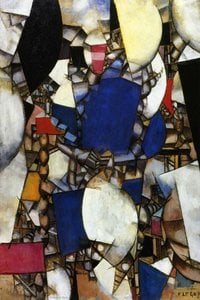
Fernand Léger's 'The Baluster' (1925) is a seminal Cubist painting featuring bold geometric forms, vibrant colors, and a dynamic composition—a masterpiece of modern art.

فيران ليجر: رائد التكعيبية و"الأنبوبية"! اكتشف لوحات جريئة تحتفي بالحياة الحديثة، الآلات، والشكل البشري - سلف أساسي للفن الشعبي. أسلوبه المبتكر يمزج بين التجريد والواقعية.

نسخة زيتية مصنوعة يدوياً

لوحة زيتية مرسومة يدوياً على الكانفاس بالمقاس والإطار الذي تفضله، تُنفذ حسب الطلب على أيدي فنانينا. ( التبديل إلى المطبوعات التحويل إلى الصورة الرقمية)

Corner sample of the P118B picture frame: بوليسترين مُشكّل, 5 cm wide and 3 cm thick
P118B 10
Corner sample of the P118H picture frame: بوليسترين مُشكّل, 5 cm wide and 3 cm thick
P118H 10
Corner sample of the P118W picture frame: بوليسترين مُشكّل, 5 cm wide and 3 cm thick
P118W 10
Corner sample of the P438Z picture frame: بوليسترين مُشكّل, 5.5 cm wide and 3.5 cm thick
P438Z 10
Corner sample of the P508JH picture frame: بوليسترين مُشكّل, 7 cm wide and 3.5 cm thick
P508JH 12
Corner sample of the P508YH picture frame: بوليسترين مُشكّل, 7 cm wide and 3.5 cm thick
P508YH 12
Corner sample of the P805H picture frame: بوليسترين مُشكّل, 5 cm wide and 3.5 cm thick
P805H 10
Corner sample of the P805Z picture frame: بوليسترين مُشكّل, 5 cm wide and 3.5 cm thick
P805Z 10
Corner sample of the P919BZ picture frame: بوليسترين مُشكّل, 7 cm wide and 3.5 cm thick
P919BZ 10
Corner sample of the P919G picture frame: بوليسترين مُشكّل, 7 cm wide and 3.5 cm thick
P919G 10
Corner sample of the P919XJ picture frame: بوليسترين مُشكّل, 7 cm wide and 3.5 cm thick
P919XJ 10
Corner sample of the P959ZH picture frame: بوليسترين مُشكّل, 5 cm wide and 3 cm thick
P959ZH 10
Corner sample of the P968JZ picture frame: بوليسترين مُشكّل, 6 cm wide and 4 cm thick
P968JZ 12
Corner sample of the W106C picture frame: خشب طبيعي صلب, 5 cm wide and 3 cm thick
W106C 8
Corner sample of the W218G picture frame: خشب طبيعي صلب, 5 cm wide and 3 cm thick
W218G 10
Corner sample of the W218JH picture frame: خشب طبيعي صلب, 5 cm wide and 3 cm thick
W218JH 8
Corner sample of the W218Y picture frame: خشب طبيعي صلب, 5 cm wide and 3 cm thick
W218Y 10
Corner sample of the W307PJ picture frame: خشب طبيعي صلب, 6 cm wide and 3 cm thick
W307PJ 10
Corner sample of the W316G picture frame: خشب طبيعي صلب, 6 cm wide and 3 cm thick
W316G 10
Corner sample of the W316PJ picture frame: خشب طبيعي صلب, 6 cm wide and 3 cm thick
W316PJ 8
Corner sample of the W316Y picture frame: خشب طبيعي صلب, 6 cm wide and 3 cm thick
W316Y 10
Corner sample of the W398PJ picture frame: خشب طبيعي صلب, 5 cm wide and 3 cm thick
W398PJ 8
Corner sample of the W4111J picture frame: خشب طبيعي صلب, 6.5 cm wide and 3.5 cm thick
W4111J 10
Corner sample of the W500HY picture frame: خشب طبيعي صلب, 7 cm wide and 5 cm thick
W500HY 15
Corner sample of the W500JH picture frame: خشب طبيعي صلب, 7 cm wide and 5 cm thick
W500JH 15
Corner sample of the W692G picture frame: خشب طبيعي صلب, 8 cm wide and 4 cm thick
W692G 12
Corner sample of the W849H picture frame: خشب طبيعي صلب, 5 cm wide and 3 cm thick
W849H 8
Corner sample of the W940BG picture frame: خشب طبيعي صلب, 7.5 cm wide and 4.5 cm thick
W940BG 15
Corner sample of the W953PJ picture frame: خشب طبيعي صلب, 6 cm wide and 3.5 cm thick
W953PJ 8

مقاس قياسي
مخصص
CM
INCH

اختر من بين أحجامنا المُعدّة مسبقاً والتي تتوافق مع النسب الأصلية للعمل الفني.

العرض
الارتفاع

يمكنك إدخال أبعاد خاصة لتناسب إطاراً أو مساحة معينة. وفي حال عدم تطابق الحجم المختار مع نسب الصورة الأصلية، سنقوم إما بقص العمل الفني أو توسيع اللوحة عبر إضافة عناصر مرسومة يدوياً. وسيتم إرسال نموذج رقمي إليك للموافقة عليه قبل بدء عملية الإنتاج.
يرجى ملاحظة أن المعاينة على الشاشة لا تعكس عملية القص أو التوسيع الفعلية؛ إذ إن النموذج الرقمي هو الوحيد الذي يوضح التكوين النهائي بدقة.
وعلى الرغم من توفر أحجام مخصصة، إلا أننا نوصي باختيار أبعاد من القائمة المحددة مسبقاً للحفاظ على النسب الأصلية للعمل الفني.

أمثلة على التعديلات الممكنة: استبدال الوجه بصورة العميل؛ إضافة حيوان أليف (مثل استبدال قطة بكلب)؛ تضمين رسالة مخفية في الخلفية؛ تغيير المناظر الطبيعية أو العناصر في الخلفية.
بعد إتمام الطلب، سيرسل فريق WahooArt.com بريداً إلكترونياً للعميل لطلب التعليمات وتزويده بمعاينة تجريبية (mockup).

توصيل عالمي إلى خلال 3 إلى 4 أسابيع بدلاً من المدة المعتادة البالغة 5 أسابيع. (13 أكتوبر). جودة لا تهاون فيها.

شحن سريع ومجاني لجميع أنحاء العالم
قماش كتان فاخر
تأمين شامل على الشحن
ضمان استرداد الرسوم الجمركية
ضمان دقة مطابقة الألوان
سياسة الإرجاع خلال 100 يوم (في حالات العيوب فقط)
ضمان استرداد نقدي بنسبة 100%
عرض خصم الكميات

إجمالي السعر

E£ 13969

The Baluster

وسيط إعادة الإنتاج

مقاس النسخة المطبوعة

-

إجمالي السعر

E£ 13969

حقائق سريعة

  • Notable elements: Geometric shapes
  • Artistic style: Abstract, Mechanistic
  • Location: MoMA, NYC
  • Title: The Baluster
  • Year: 1925
  • Subject or theme: Balustrade, Modernity

اختبار المعلومات الفنية

لكل سؤال إجابة صحيحة واحدة فقط.

سؤال 1:
What artistic movement is most closely associated with Fernand Léger’s ‘The Baluster’?
سؤال 2:
In ‘The Baluster’, what is the primary color of the background?
سؤال 3:
Which of the following best describes Fernand Léger’s approach to Cubism?
سؤال 4:
The title ‘The Baluster’ refers specifically to:
سؤال 5:
Fernand Léger was born in which city?

Fernand Léger’s “The Baluster”: A Mechanical Dance of Form and Color

Fernand Léger's "The Baluster," painted in 1925, isn’t merely a depiction of an architectural element; it’s a vibrant manifesto of Cubism’s embrace of the modern world. This oil on canvas, currently residing within the esteemed collection of the Museum of Modern Art (MoMA) in New York City, pulsates with a dynamic energy born from the artist's unique synthesis of geometric abstraction and a fascination with industrial forms. Léger, a pivotal figure in the early 20th century’s artistic revolution, sought to translate the rhythms of the machine age – its angularity, its repetitive patterns, its sense of relentless motion – into a visual language that was both intellectually stimulating and emotionally resonant.

The painting immediately commands attention with its bold palette. A dominant blue background provides a striking contrast to the fiery reds, yellows, and oranges that dominate the central composition. This interplay of cool and warm tones isn’t simply decorative; it establishes a visual tension, mirroring the inherent dynamism within the artwork itself. Léger masterfully employs simplified geometric shapes – interlocking circles, rectangles, and stylized cylinders – to construct the balustrade, the very subject of the piece. These forms aren't rendered with meticulous detail but rather are presented in a deliberately abstracted manner, emphasizing their essential qualities over realistic representation.

The Roots of Cubism: Fragmentation and Multiple Perspectives

“The Baluster” firmly situates itself within the broader context of Cubism, a movement pioneered by Pablo Picasso and Georges Braque. Unlike earlier representational art that prioritized illusionistic depth and perspective, Cubism sought to dismantle traditional notions of space and representation. Léger’s approach, often referred to as “Tubism,” further developed this concept by reducing objects to their fundamental geometric components – cylinders, cones, and spheres – and presenting them from multiple viewpoints simultaneously. This fragmentation creates a sense of disorientation and invites the viewer to actively engage with the artwork, piecing together its meaning through observation.

The influence of Futurism is also palpable in Léger’s work. Like the Italian Futurist movement, which celebrated speed, technology, and dynamism, Léger sought to capture the essence of modern life – particularly the impact of industrialization on human experience. The painting's angular forms and sense of movement evoke the imagery of factories, trains, and other symbols of the machine age. However, unlike the often-aggressive aesthetic of Futurism, Léger’s approach is more restrained and contemplative, suggesting a nuanced understanding of both the promise and the potential anxieties associated with modernity.

Decoding the Symbolism: The Balustrade as Focal Point

The title itself – “The Baluster” – immediately draws our attention to the central element of the composition. Léger doesn’t simply depict a balustrade; he elevates it to a symbolic representation of stability, structure, and order within an increasingly chaotic world. The balustrade, traditionally associated with safety and protection, becomes a visual anchor amidst the swirling forms and vibrant colors. It represents a point of reference, a grounding element that provides a sense of equilibrium in the midst of dynamic energy.

Interestingly, Léger’s choice to depict a balustrade – a relatively mundane architectural feature – is itself significant. By focusing on an everyday object, he invites us to reconsider our perceptions of beauty and value. The painting suggests that even the most ordinary elements of our environment can be transformed into works of art through careful observation and creative interpretation.

A Legacy of Modernism: Léger’s Enduring Influence

“The Baluster” stands as a testament to Fernand Léger's innovative spirit and his profound impact on the development of modern art. His bold use of color, simplified forms, and exploration of industrial themes paved the way for subsequent generations of artists, including Pop Art pioneers like Andy Warhol. The painting’s enduring appeal lies in its ability to capture the energy and dynamism of the 20th century while simultaneously inviting viewers to contemplate the fundamental questions about perception, representation, and the relationship between art and life.

Reproductions of “The Baluster” continue to be highly sought after by collectors and interior designers alike. Its vibrant colors and dynamic composition make it a striking addition to any space, while its historical significance offers a glimpse into the artistic currents that shaped the modern world. A piece like this speaks volumes about the artist's vision and his place in art history.

الأسئلة والأجوبة

ما مدى قوة ألوان "The Baluster"؟

تتميز لوحة "The Baluster" للفنان فرناند ليجر بدرجة تشبع تبلغ Balanced Soft وكثافة لونية تصل إلى Vivid.

ما مدى سطوع "The Baluster" للفنان فرناند ليجر؟

تُظهر ألوان "The Baluster" سطوعاً بمستوى Gentle Luminance.

هل يمكنني معاينة "The Baluster" للفنان فرناند ليجر على جداري الخاص قبل الشراء؟

تستخدم صفحة معاينة الواقع المعزز لعمل "The Baluster" للفنان فرناند ليجر تقنية الواقع المعزز لعرض العمل الفني في مساحتك الخاصة، عبر جهاز متوافق.

ما هو اتجاه لوحة "The Baluster" للفنان فرناند ليجر؟

تأتي لوحة "The Baluster" بتنسيق Portrait، وهو أمر مفيد عند التخطيط لمكان وضع النسخة المطبعة.

ما هي المواد المستخدمة في صنع "The Baluster"؟

تم تنفيذ "The Baluster" باستخدام Acrylic On Canvas.

ما مدى التناغم بين ألوان "The Baluster"؟

تُظهر ألوان "The Baluster" للفنان فرناند ليجر تناغماً Balanced Harmony. ويصف التناغم كيفية ترابط الألوان مع بعضها البعض.

من هو مؤلف "The Baluster" وفي أي عام أُنتج؟

مؤلف "The Baluster" هو فرناند ليجر، ويعود تاريخ العمل إلى 1925.

ما هي أنواع الألوان التي يستخدمها "The Baluster"؟

تستخدم لوحة "The Baluster" للفنان فرناند ليجر مجموعة ألوان Earthy. وتلخص هذه المجموعة الطابع اللوني العام للعمل.


نبذة عن الفنان

فرناند ليجر: نحات الأشكال الأسطوانية ورائد الفن الحديث

في قلب المشهد الفني الفرنسي في أوائل القرن العشرين، يبرز فرناند ليجر كشخصية فريدة ومؤثرة. وُلد جوزيف فرديناند هنري ليجر في بلدة أرجنتان الريفية عام 1881، ونما في بيئة قريبة من الطبيعة والعمل اليدوي، وهو ما ترك بصمة واضحة على رؤيته الفنية لاحقًا. لم يكن طريقه نحو الفن تقليديًا؛ فقد بدأ حياته المهنية كمتدرب معماري، لكن شغفه بالرسم والرغبة في التعبير عن رؤيته الخاصة قادته إلى عالم الفن التشكيلي. رحلته من الحقول الريفية إلى صدارة الحركة الفنية الحديثة هي شهادة على إصراره ورؤيته الثاقبة التي سعت إلى التقاط روح العصر الآلي الجديد. لم يكتف ليجر بالانضمام إلى تيارات التجريد السائد، بل سعى إلى دمج حيوية العصر الميكانيكي وأشكاله في لغة بصرية جديدة تجمع بين القوة المجردة والارتباط العميق بالعالم المرئي.

من الانطباعية إلى "الأسطوانية": تطور أسلوب ليجر

شكلت تجربة ليجر مع أعمال بول سيزان نقطة تحول حاسمة في مسيرته الفنية. بعد مشاهدة معرض لأعمال سيزان عام 1907، انطلق ليجر في رحلة استكشاف شكلية جريئة، حيث بدأ في تفكيك الأشكال وتحليل بنيتها الأساسية وإعادة بنائها على القماش مع التركيز الجديد على الصلابة والحجم. هذا الاستكشاف قاده إلى عالم التكعيبية، لكنه لم يكتفِ بمجرد تقليد أساليب بيكاسو وبراك؛ بل طور أسلوبه الخاص الذي أطلق عليه النقاد لاحقًا اسم "الأسطوانية". تتميز هذه الأسلوبية بالأشكال الأسطوانية والخطوط المستقيمة والمستويات المسطحة، والألوان الزاهية والمتناقضة. احتفى ليجر من خلالها بالجماليات الميكانيكية قبل أن تصبح موضوعًا شائعًا في الفن. كانت أعماله المبكرة تعكس تأثيرات الانطباعية، لكنه سرعان ما تخلى عن هذا الأسلوب، مدركًا أنه لا يعبر بشكل كافٍ عن رؤيته الخاصة للعالم الحديث.

الحرب والآلة: تحول فني عميق

أحدث اندلاع الحرب العالمية الأولى تحولاً جذريًا في حياة ليجر وفنه. الخدمة العسكرية في الجبهة الأمامية عام 1914-1916 عرّضته لواقع الحرب الحديثة القاسي - قصف المدفعية، ومعارك الطائرات، وتأثيرات الإنسانية المهددة من قبل الآلات. لم يؤدِ هذا إلى خيبة أمل أو رفض للحداثة؛ بل عزز اهتمامه بالآلات وقوتها. رسم ليجر خلال خدمته العسكرية رسومات للأجهزة العسكرية، محولًا أدوات الدمار إلى موضوعات للتأمل الفني. بعد عودته إلى الحياة المدنية، شهدت جمالية ليجر تطوراً إضافياً، حيث بدأت لوحاته تعكس حساسية ميكانيكية أكثر سلاسة، تحتفي بالديناميكية والكفاءة في العالم الصناعي. يعتبر عمل "جندي مع غليون" (1916) مثالًا على هذا التحول، حيث تعرض أشكالاً مبسطة وألوانًا جريئة تثير إحساسًا بالدقة الميكانيكية. لم يكن هذا مجرد خيار جمالي؛ بل كان بيانًا فلسفيًا يؤكد على الإمكانات التقدمية والتجديدية للحداثة، حتى في أعقاب الصراع المدمر.

إرث ليجر وتأثيره الدائم

في سنوات ما بعد الحرب، واصل ليجر استكشاف التقاطع بين الفن والصناعة، حيث ابتكر أعمالاً تحتفل بالحياة الحديثة بمزيج فريد من التجريد والتصوير. أظهرت سلسلة "المناظر الطبيعية الحية" (1921) شخصيات وحيوانات مدمجة بسلاسة في تركيبات مبسطة، مما يطمس الحدود بين الأشكال العضوية وغير العضوية. كما جرب النحت وصناعة الأفلام، موسعًا ممارسته الفنية خارج حدود الرسم التقليدي. لا يمكن إنكار تأثير ليجر على الأجيال اللاحقة من الفنانين. لقد أدت تبسيطه الجريء للشكل واحتضانه لصور الصناعة والاحتفاء بالثقافة الشعبية إلى توقع ظهور فن البوب ​​عقودًا لاحقًا. مدينون له فنانون مثل روي ليختنشتاين وآندي وارهول، حيث جسر بين الفن المجردد والتصويري، وأظهر أنه من الممكن إنشاء أعمال تكون في نفس الوقت صارمة فكريًا وجذابة بصريًا. اليوم، تُعرض لوحات فرناند ليجر في كبرى المتاحف حول العالم، بما في ذلك متحف الفن الحديث في نيويورك ومتحف ألبرتينا في فيينا. يظل شخصية بارزة في فن القرن العشرين - وهو بطل تنبأ بالجمال في العصر الآلي وتجسيده على القماش بشجاعة وأصالة لا مثيل لها. إرثه ليس مجرد رسام، بل هو نبي للحداثة. فنان رائد حقيقي يظل عمله يتردد صداه لدى الجماهير حتى اليوم.
فرناند ليجر

فرناند ليجر

1881 - 1955 , فرنسا

لمحة سريعة

  • الأعمال الفنية البارزة:
    • المرأة جالسة
    • عنصر آلة
    • المسيرة الكبرى
    • المدينة
  • الاسم الكامل: فرناند ليجر
  • الجنسية: فرنسي
  • الحركة الفنية أو الأسلوب: التكعيبية، التوبيزم
  • الفنانون أو الحركات المتأثرة: ['فن البوب']
  • الفنانون المؤثرون: ['بول سيزان']
  • تاريخ الميلاد: 4 فبراير 1881
  • مكان الميلاد: أرجنتان، فرنسا
استكشف الأعمال الفنية المصنفة حسب الموضوعات والأنماط والخصائص.