معاينة الحجم الواقعي معاينة بالواقع المعزز اطلب نسخة مرسومة يدويًا التحويل إلى الصورة الرقمية إرسال
عرض التفاصيل دليل الأعمال الفنية للطلاب أضف إلى المفضلة تحميل قطع مشابهة الأشعة السينية عرض شرائح متتابع الإحصائيات

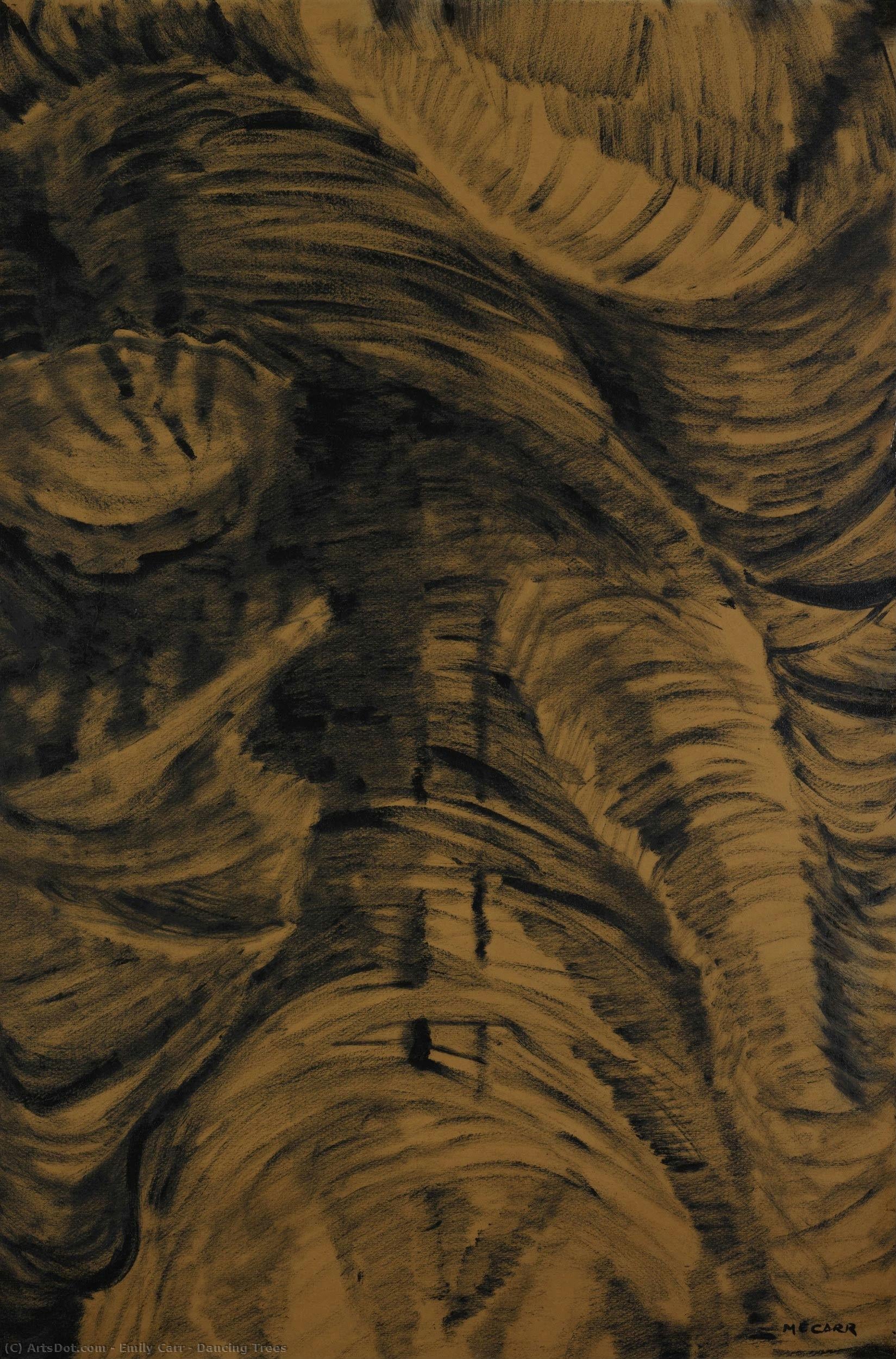
Dancing Trees

Emily Carr’s "Dancing Trees" (1937-40) captures the spirit of BC forests through swirling brushstrokes, symbolizing resilience and interconnectedness. Inspired by nature and Indigenous traditions, this masterpiece exemplifies Carr's distinctive style.

اكتشف إميلي كار (1871-1945)، رائدة الحداثة الكندية. استكشف لوحاتها القوية لمناظر كولومبيا البريطانية وثقافات الشعوب الأصلية، بأسلوب يمزج بين ما بعد الانطباعية ورؤية فريدة. أيقونة كندية حقيقية!

طباعة جيلي / مطبوعات فنية

طباعة جيكلي أو كانفاس بجودة المتاحف، مع سرعة في التنفيذ وخيارات متنوعة للتشطيب. ( اطلب نسخة مرسومة يدويًا التحويل إلى الصورة الرقمية)

Corner sample of the P118B picture frame: moulded polystyrene, 5 cm wide and 3 cm thick
P118B E£10
Corner sample of the P118H picture frame: moulded polystyrene, 5 cm wide and 3 cm thick
P118H E£10
Corner sample of the P118W picture frame: moulded polystyrene, 5 cm wide and 3 cm thick
P118W E£10
Corner sample of the P438Z picture frame: moulded polystyrene, 5.5 cm wide and 3.5 cm thick
P438Z E£10
Corner sample of the P508JH picture frame: moulded polystyrene, 7 cm wide and 3.5 cm thick
P508JH E£12
Corner sample of the P508YH picture frame: moulded polystyrene, 7 cm wide and 3.5 cm thick
P508YH E£12
Corner sample of the P805H picture frame: moulded polystyrene, 5 cm wide and 3.5 cm thick
P805H E£10
Corner sample of the P805Z picture frame: moulded polystyrene, 5 cm wide and 3.5 cm thick
P805Z E£10
Corner sample of the P919BZ picture frame: moulded polystyrene, 7 cm wide and 3.5 cm thick
P919BZ E£10
Corner sample of the P919G picture frame: moulded polystyrene, 7 cm wide and 3.5 cm thick
P919G E£10
Corner sample of the P919XJ picture frame: moulded polystyrene, 7 cm wide and 3.5 cm thick
P919XJ E£10
Corner sample of the P959ZH picture frame: moulded polystyrene, 5 cm wide and 3 cm thick
P959ZH E£10
Corner sample of the P968JZ picture frame: moulded polystyrene, 6 cm wide and 4 cm thick
P968JZ E£12
Corner sample of the W106C picture frame: solid wood, 5 cm wide and 3 cm thick
W106C E£8
Corner sample of the W218G picture frame: solid wood, 5 cm wide and 3 cm thick
W218G E£10
Corner sample of the W218JH picture frame: solid wood, 5 cm wide and 3 cm thick
W218JH E£8
Corner sample of the W218Y picture frame: solid wood, 5 cm wide and 3 cm thick
W218Y E£10
Corner sample of the W307PJ picture frame: solid wood, 6 cm wide and 3 cm thick
W307PJ E£10
Corner sample of the W316G picture frame: solid wood, 6 cm wide and 3 cm thick
W316G E£10
Corner sample of the W316PJ picture frame: solid wood, 6 cm wide and 3 cm thick
W316PJ E£8
Corner sample of the W316Y picture frame: solid wood, 6 cm wide and 3 cm thick
W316Y E£10
Corner sample of the W398PJ picture frame: solid wood, 5 cm wide and 3 cm thick
W398PJ E£8
Corner sample of the W4111J picture frame: solid wood, 6.5 cm wide and 3.5 cm thick
W4111J E£10
Corner sample of the W500HY picture frame: solid wood, 7 cm wide and 5 cm thick
W500HY E£15
Corner sample of the W500JH picture frame: solid wood, 7 cm wide and 5 cm thick
W500JH E£15
Corner sample of the W692G picture frame: solid wood, 8 cm wide and 4 cm thick
W692G E£12
Corner sample of the W849H picture frame: solid wood, 5 cm wide and 3 cm thick
W849H E£8
Corner sample of the W940BG picture frame: solid wood, 7.5 cm wide and 4.5 cm thick
W940BG E£15
Corner sample of the W953PJ picture frame: solid wood, 6 cm wide and 3.5 cm thick
W953PJ E£8

مقاس قياسي
مخصص
CM
INCH

اختر من بين أحجامنا المُعدّة مسبقاً والتي تتوافق مع النسب الأصلية للعمل الفني.

العرض
الارتفاع

يمكنك إدخال أبعاد خاصة لتناسب إطاراً أو مساحة معينة. وفي حال عدم تطابق الحجم المختار مع نسب الصورة الأصلية، سنقوم إما بقص العمل الفني أو تمديد الصورة باستخدام حافة معكوسة أو لون مصمت. وسيتم إرسال نموذج تجريبي رقمي لاعتمادك قبل بدء عملية الإنتاج.
يرجى ملاحظة أن المعاينة على الشاشة لا تعكس عملية القص أو التمديد الفعلية؛ حيث سيوضح النموذج التجريبي فقط التكوين النهائي بدقة.
وعلى الرغم من توفر أحجام مخصصة، إلا أننا نوصي باختيار أبعاد من القائمة المحددة مسبقاً للحفاظ على النسب الأصلية.

توصيل عالمي إلى خلال أسبوعين بدلاً من المدة القياسية البالغة 4/5 أسابيع. (10 أكتوبر)

شحن سريع ومجاني لجميع أنحاء العالم
قماش كتان فاخر
تأمين شامل على الشحن
ضمان استرداد الرسوم الجمركية
ضمان دقة مطابقة الألوان
سياسة الإرجاع خلال 100 يوم (في حالات العيوب فقط)
ضمان استرداد نقدي بنسبة 100%
عرض خصم الكميات

إجمالي السعر

E£ 3491

Dancing Trees

طباعة جيلي / مطبوعات فنية

مقاس النسخة المطبوعة

-

إجمالي السعر

E£ 3491

حقائق سريعة

  • Movement: Group of Seven
  • Influences: Vincent Van Gogh
  • Medium: Oil
  • Title: Dancing Trees
  • Location: McMichael Canadian Art Collection (Vaughan, Canada)
  • Artist: Emily Carr
  • Notable elements or techniques: Spiral brushstrokes; Symbolic representation

اختبار المعلومات الفنية

لكل سؤال إجابة صحيحة واحدة فقط.

سؤال 1:
What is the primary subject matter of "Dancing Trees"?
سؤال 2:
In what artistic movement is "Dancing Trees" primarily associated?
سؤال 3:
What color dominates the background of the painting?
سؤال 4:
Emily Carr created "Dancing Trees" in which decade?
سؤال 5:
What technique is most prominently used by Emily Carr in this artwork?

Dancing Trees - Emily Carr (1871 - 1945) — A Pioneer's Vision of British Columbia

Emily Carr’s *Dancing Trees*, painted in 1937-40, stands as a testament to her singular artistic vision—a fusion of Post-Impressionism and an unwavering connection to the landscape of British Columbia. More than just a depiction of trees; it embodies Carr's profound engagement with both the natural world and Indigenous culture, reflecting a period marked by significant social change in Canada. This artwork isn’t merely observed; it’s felt—a swirling symphony of colour and movement that captures the spirit of resilience and joy amidst the encroaching pressures of industrialization.
  • Subject Matter: The painting centres on a cluster of mature fir trees, positioned against a backdrop of pale yellow sky and shadowed gravel pits. Carr meticulously rendered these trees not as static objects but as dynamic entities imbued with life force—a deliberate departure from the prevailing artistic conventions of her time.
  • Style & Technique: Carr’s distinctive technique—characterized by bold brushstrokes and an expressive layering of pigment—is immediately recognizable. She eschewed traditional realism, opting instead for a style that prioritizes emotional resonance over precise representation. The swirling patterns of paint convey the energy of the wind, mirroring the movement of the trees themselves.
  • Historical Context: Created during Carr’s final years, *Dancing Trees* reflects her growing concern about deforestation and the displacement of First Nations communities in British Columbia. Her artistic explorations served as a conduit for conveying these anxieties—a subtle yet powerful critique of societal priorities. The painting's genesis coincided with the burgeoning interest in abstraction amongst European artists, influencing Carr’s stylistic choices.
  • Symbolism: Beyond its visual beauty, *Dancing Trees* is laden with symbolic significance. The upward-reaching trunks represent aspiration and perseverance—a defiance against adversity—while the dappled sunlight filtering through the foliage symbolizes hope and renewal. Carr's masterful use of colour contributes to this overarching theme, conveying both serenity and vibrancy simultaneously.
  • Emotional Impact: Viewing *Dancing Trees* evokes a feeling of awe—a recognition of the sublime grandeur of nature and its capacity to inspire contemplation. The painting’s energetic brushstrokes capture not only the physical appearance of the trees but also their inner vitality—a celebration of life's enduring beauty.

Provenance & Dimensions

The artwork is housed in McMichael Canadian Art Collection (Vaughan, Canada). It measures 90.2 x 59.7 cm and was gifted by Dr. and Mrs. Max Stern, Dominion Gallery, Montreal. The painting’s surface is laid down on canvas, a technique employed by Carr to ensure stability and longevity—a testament to her dedication to preserving her artistic legacy.

Artist Information: Emily Carr (1871 - 1945)

Emily Carr, born December 13, 1871, in Victoria, British Columbia, was more than just a painter; she was a chronicler of a changing world, a passionate observer of both the natural majesty of the Pacific Northwest and the rich cultural heritage of its First Nations peoples. Her life unfolded against the backdrop of a rapidly evolving Canada, a nation grappling with its identity and relationship to its Indigenous populations. The daughter of Richard and Emily Carr, English immigrants who sought opportunity in the burgeoning colony, she grew up in a household that valued both tradition and progress. This duality would profoundly shape her artistic vision. From an early age, encouraged by her father, Emily displayed a remarkable aptitude for art, a talent nurtured through formal instruction and a deep connection to the surrounding landscape. The imposing forests of Vancouver Island, the rugged coastline, and the vibrant life w

Further Research & Resources

For more information on *Dancing Trees* and Emily Carr’s broader artistic oeuvre, explore these valuable resources:

Additional Notes

This artwork is in the public domain.

الأسئلة والأجوبة

ما هي التقنية والأسلوب اللذان يميزان "Dancing Trees" للفنان إميلي كار؟

تجمع "Dancing Trees" للفنان إميلي كار بين تقنية Oil On Canvas وأسلوب Group of Seven. وتصف التقنية والمدرسة الفنية طريقة تنفيذ العمل وطرازه الفني.

ما تاريخ وتصميم "Dancing Trees" للفنان إميلي كار؟

أُنجزت لوحة "Dancing Trees" في عام 1940، ضمن حركة Group of Seven.

ما هو تاريخ إبداع "Dancing Trees" للفنان إميلي كار؟

أُبدع العمل الفني "Dancing Trees" للفنان إميلي كار في عام 1940.

في أي عمر أبدع إميلي كار لوحة "Dancing Trees"؟

كان عمر إميلي كار يبلغ 69 عاماً عند إبداع العمل "Dancing Trees" في عام 1940. تم حساب العمر بناءً على سنة ميلاد الفنان، 1871.

من هو الفنان الذي أبدع "Dancing Trees"؟

تم إبداع "Dancing Trees" بواسطة إميلي كار. وتصف المعلومات الواردة في هذه الصفحة العمل الأصلي لـ إميلي كار.

ما هو اتجاه لوحة "Dancing Trees" للفنان إميلي كار؟

تُعد "Dancing Trees" للفنان إميلي كار تكويناً Portrait. ويُنصح بمراجعة الأبعاد قبل اختيار حجم الطباعة.

ما هو الطابع الذي سيضفيه "Dancing Trees" على المكان؟

بأجوائه التي تتسم بـ Calm، يُقترح وضع لوحة "Dancing Trees" في Living Room.


نبذة عن الفنان

حياة متجذرة في طبيعة وروح كولومبيا البريطانية

لم تكن إميلي كار، التي ولدت في الثالث عشر من ديسمبر عام 1871 في فيكتوريا بكولومبيا البريطانية، مجرد رسامة عادية؛ بل كانت مؤرخة لعالم متغير، ومراقبة شغوفة لكل من الجلال الطبيعي لمنطقة شمال غرب المحيط الهادئ والتراث الثقافي الغني لشعوب الأمم الأولى. لقد تجلت حياتها على خلفية كندا التي كانت تتطور بسرعة، وهي أمة تصارع من أجل تحديد هويتها وعلاقتها بسكانها الأصليين. وباعتبارها ابنة ريتشارد وإميلي كار، المهاجرين الإنجليز الذين سعوا وراء الفرص في المستعمرة الناشئة، نشأت في منزل يقدر كلاً من التقاليد والتقدم، وهذا الازدواج هو ما شكل رؤيتها الفنية بعمق. ومنذ سن مبكرة، وبتشجيع من والدها، أظهرت إميلي موهبة استثنائcia للفن، وهي موهبة صُقلت من خلال التعليم الرسمي والارتباط العميق بالطبيعة المحيطة بها؛ حيث أصبحت الغابات المهيبة في جزيرة فانكوفر، والخط الساحلي الوعر، والحياة النابضة داخلها مصادر إلهام دائمة لها. ومع ذلك، لم يكن الجمال البصري وحده هو ما سحر كار، بل كانت تسعى جاهدة لالتقاط روح هذه الأرض، وقوتها الكامنة وغموضها.

صياغة صوت فني فريد

كانت الرحلة الفنية لكار رحلة من الاستكشاف المستمر والتهذيب؛ فقد تابعت تدريبها الرسمي في معهد سان فرانسيسكو للفنون (1890-1892) ولاحقاً في مدرسة وستمنستر للفنون في لندن (1899)، حيث انغمست في التيارات الفنية الأوروبية. ومع ذلك، وجدت نفسها تنجذب بشكل متزايد نحو موطنها كولومبيا البريطانية، مدركة أن التعبير الفني الحقيقي لا يكمن في التقليد بل في التمثيل الأصيل لتجربتها الخاصة. وفي البداية، وتحت تأثير ما بعد الانطباعية، ابتعدت كار تدريجياً عن التقنيات التقليدية، وطورت أسلوباً يتميز بالألوان الجريئة، وضربات الفرشاة الديناميكية، وطاقة تكاد تكون ملموسة. وجاءت اللحظة الحاسمة في تطورها من خلال لقاءاتها مع مجتمعات الأمم الأولى على طول ساحل كولlama البريطانية؛ حيث سافرت على نطاق واسع في هذه المناطق، ووثقت قراهم، وأعمدة التوتم، والأدوات الطقسية بكل تبجيل واحترام. لقد أثرت هذه التجار nghiệmات بعمق على أعمالها، وضخت فيها عمقاً روحياً والتزاماً بالحفاظ على ثقافة تواجه ضغوطاً هائلة من القوى الاستعمارية. لم تكن كار ترسم عن ثقافات الأمم الأولى فحسب، بل كانت تحاول نقل رؤيتهم للعالم، وارتباطهم بالأرض، والرمزية العميقة المتأصلة في فنهم، لتصبح لوحاتها بمثابة بيانات قوية للحفاظ على الثقافة والابتكار الفني.

الحداثة والتعبير عن الرؤية الداخلية

تقف إميلي كار كشخصية رائدة في الحداثة الكندية، حيث تبنت أشكالاً جديدة من التعبير مع بقائها متجذرة بعمق في منظورها الفريد. لم تكن تكتفي بمجرد محاكاة ما تراه، بل سعت إلى نقل الجوهر العاطفي والروحي لموضوعاتها، مما دفعها إلى التجريب بتكوينات تجريدية متزايدة، مستخدمة تقنيات "الإمباستو" الكثيفة لخلق إحساس بالحركة والملمس. وغالباً ما تنبض لوحاتها بالطاقة، مما يعكس القوة الخام للعالم الطبيعي وقوة الحياة النابضة لمجتمعات الأمم الأولى التي صورتها. فعلى سبيل المثال، لا تعد لوحة قرية كيبسيوكس مجرد تمثيل لمشهد قرية، بل هي استحضار لأجوائها وتاريخها وأهميتها الروحية. وكثيراً ما تتميز أعمال كار بالأشجار الشاهقة التي تبدو وكأنها تتطلع نحو السماء، مما يرمز إلى عظمة الطبيعة وروح الثقافات الأصلية الصامدة. لم تكن تخشى تحدي المعايير الفنية التقليدية، بل دفعت الحدود وصاغت مسارها الخاص، وهو الالتزام بالاستقلال الفني الذي ألهم أجيالاً من الفنانين الكنديين القادمين.

الإرث والتأثير الخالد

على الرغم من أن الاعتراف بمكانتها جاء متأخراً نسبياً في حياتها، إلا أن إميتملي كار تُحتفى الآن على نطاق واسع بصفتها "أم الفن الكندي الحديث". وتُقدر لوحاتها لجمالها، وعمقها العاطفي، وأهميتها التاريخية. وإلى جانب إنجازاتها الفنية، كانت كار كاتبة موهوبة أيضاً، حيث دونت تجاربها وملاحظاتها في سيرتها الذاتية الشهيرة كلي ويك، والتي فازت بجائزة الحاكم العام للأدب عن فئة غير الخيال في عام 1941. يقدم هذا العمل رؤى لا تقدر بثمن حول حياتها، وعمليتها الفنية، وارتباطها العميق بكولومبيا البريطانية. ويمتد إرث كار إلى ما هو أبعد من عالم الفن؛ فقد أصبحت أيقونة وطنية تمثل الاستقلال الفني، والاستكشاف الثقافي، والجمال الخالد للمناظر الطبيعية الكندية. ويمكن رؤية تأثيرها في أعمال العديد من الفنانين اللاحقين، بما في ذلك بيجي نيكول ماكلويد، التي سعت بشكل مماثل لالتقاط روح الساحل الغربي. وحتى يومنا هذا، لا تزال لوحاتها تلقى صدى لدى الجمهور في جميع أنحاء العالم، لتذكرنا بأهمية الحفاظ على التراث الثقافي والاحتفاء بقوة التعبير الفني. ولعل خير دليل على تأثيرها الدائم هو تسمية كويكب صغير باسم 5688 Kleewyck تكريماً لها، وهو تحية سماوية لفنانة ورؤيوية استثنائية حقاً.

الأعمال الرئيسية

  • تانو (ألوان مائية): تصوير دقيق وقوي في آن واحد لحياة الأمم الأولى، يبرز براعة كار في تقنيات الألوان المائية.
  • قرية هايدا (زيتي): لوحة زيتية مذهلة تلتقط العظمة المعمارية والأهمية الروحية لقرية من شعوب هايدا.
  • الكنيسة الهندية (زيتي): تمثيل مؤثر لنقطة التقاء الثقافة الأصلية وتأثير الإرساليات المسيحية، مما يعكس انخراط كار المعقد مع التاريخ الاستعماري.
  • قرية كيبسيوكس (زيتي): لوحة أيقونية تجسد أسلوب كار الفريد وارتباطها العميق بمناظر ومجتمعات كولومبيا البريطانية.
إميلي كار

إميلي كار

1871 - 1945 , كندا

لمحة سريعة

  • Artistic Movement Or Style: الحداثة، ما بعد الانطباعية
  • Artists Or Movements Influenced By This Artist: ['بيجي نيكول ماكلويد']
  • Date Of Birth: 13 ديسمبر 1871
  • Date Of Death: 2 مارس 1945
  • Full Name: إميلي كار
  • Nationality: كندية
  • Notable Artworks:
    • تانو
    • قرية هايدا
    • الكنيسة الهندية
    • قرية كيبسيوكس
  • Place Of Birth: فيكتوريا، كندا