Dancing Trees - Emily Carr (1871 - 1945) — A Pioneer's Vision of British Columbia
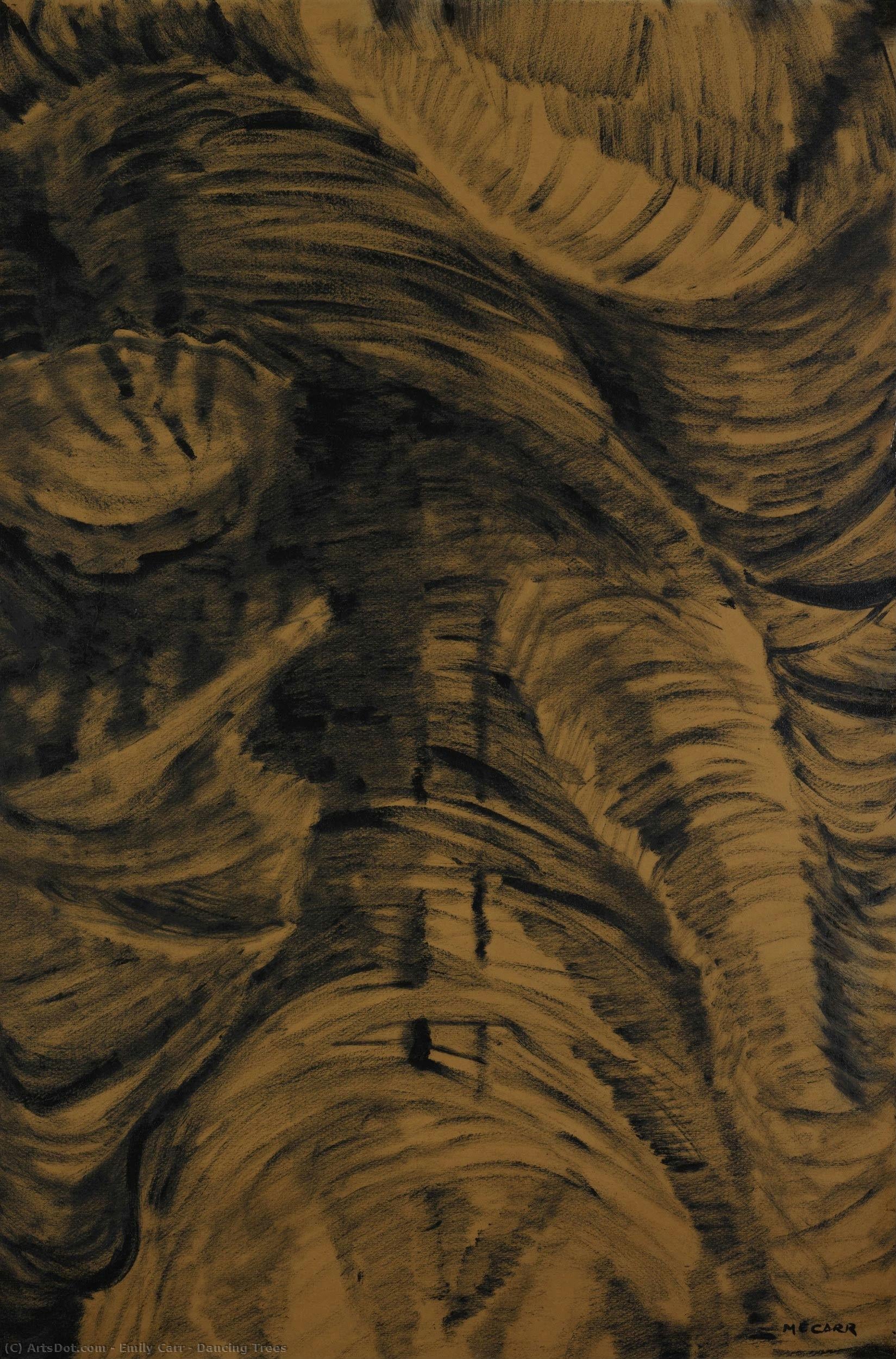
Emily Carr’s *Dancing Trees*, painted in 1937-40, stands as a testament to her singular artistic vision—a fusion of Post-Impressionism and an unwavering connection to the landscape of British Columbia. More than just a depiction of trees; it embodies Carr's profound engagement with both the natural world and Indigenous culture, reflecting a period marked by significant social change in Canada. This artwork isn’t merely observed; it’s felt—a swirling symphony of colour and movement that captures the spirit of resilience and joy amidst the encroaching pressures of industrialization.
- Subject Matter: The painting centres on a cluster of mature fir trees, positioned against a backdrop of pale yellow sky and shadowed gravel pits. Carr meticulously rendered these trees not as static objects but as dynamic entities imbued with life force—a deliberate departure from the prevailing artistic conventions of her time.
- Style & Technique: Carr’s distinctive technique—characterized by bold brushstrokes and an expressive layering of pigment—is immediately recognizable. She eschewed traditional realism, opting instead for a style that prioritizes emotional resonance over precise representation. The swirling patterns of paint convey the energy of the wind, mirroring the movement of the trees themselves.
- Historical Context: Created during Carr’s final years, *Dancing Trees* reflects her growing concern about deforestation and the displacement of First Nations communities in British Columbia. Her artistic explorations served as a conduit for conveying these anxieties—a subtle yet powerful critique of societal priorities. The painting's genesis coincided with the burgeoning interest in abstraction amongst European artists, influencing Carr’s stylistic choices.
- Symbolism: Beyond its visual beauty, *Dancing Trees* is laden with symbolic significance. The upward-reaching trunks represent aspiration and perseverance—a defiance against adversity—while the dappled sunlight filtering through the foliage symbolizes hope and renewal. Carr's masterful use of colour contributes to this overarching theme, conveying both serenity and vibrancy simultaneously.
- Emotional Impact: Viewing *Dancing Trees* evokes a feeling of awe—a recognition of the sublime grandeur of nature and its capacity to inspire contemplation. The painting’s energetic brushstrokes capture not only the physical appearance of the trees but also their inner vitality—a celebration of life's enduring beauty.
Provenance & Dimensions
The artwork is housed in McMichael Canadian Art Collection (Vaughan, Canada). It measures 90.2 x 59.7 cm and was gifted by Dr. and Mrs. Max Stern, Dominion Gallery, Montreal. The painting’s surface is laid down on canvas, a technique employed by Carr to ensure stability and longevity—a testament to her dedication to preserving her artistic legacy.
Artist Information: Emily Carr (1871 - 1945)
Emily Carr, born December 13, 1871, in Victoria, British Columbia, was more than just a painter; she was a chronicler of a changing world, a passionate observer of both the natural majesty of the Pacific Northwest and the rich cultural heritage of its First Nations peoples. Her life unfolded against the backdrop of a rapidly evolving Canada, a nation grappling with its identity and relationship to its Indigenous populations. The daughter of Richard and Emily Carr, English immigrants who sought opportunity in the burgeoning colony, she grew up in a household that valued both tradition and progress. This duality would profoundly shape her artistic vision. From an early age, encouraged by her father, Emily displayed a remarkable aptitude for art, a talent nurtured through formal instruction and a deep connection to the surrounding landscape. The imposing forests of Vancouver Island, the rugged coastline, and the vibrant life w
Further Research & Resources
For more information on *Dancing Trees* and Emily Carr’s broader artistic oeuvre, explore these valuable resources:
Additional Notes
This artwork is in the public domain.



 معاينة الحجم الحقيقي
 اشترِ نسخة مطبوعة
 مشاركة
 مشاركة
 التفاصيل

 تحميل الملف
 قطع مشابهة
 الأشعة السينية
 عرض شرائح


 عرض المزيد






































 خيار الزجاج متاح فقط للمقاسات التي تقل عن 110 سم





