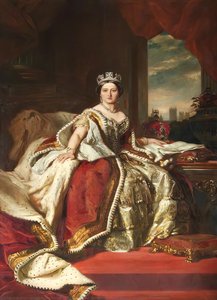
John Hanson Walker (1844 – 1933): A Painter of Rural England’s Soul
John Hanson Walker (1844 – 1933) emerged as a prominent figure in British landscape painting during the late Victorian era, leaving behind a legacy characterized by meticulous observation and an ability to capture the essence of rural English scenery. Born in Cheshire, Walker's artistic journey began with formative influences from his father, George Fleming Leicester, who instilled in him a passion for botany and scientific accuracy – values that would permeate Walker’s oeuvre. While biographical details remain somewhat sparse, scholarly research suggests he honed his skills at Eton College and Christ Church Oxford, establishing himself as a respected academic alongside his artistic pursuits.- Early Influences: Walker's artistic sensibilities were profoundly shaped by the Romantic movement, particularly its emphasis on emotion and imagination. Notably, he found inspiration in the works of George Fortescue, whom he befriended during their Oxford years, fostering a collaborative spirit that would later extend to fellow artists like Tennyson and Browning.
- Notable Works: Walker’s artistic output encompassed a diverse range of subjects, including meticulously rendered depictions of Cheshire landscapes—particularly the picturesque Vale Royal Abbey area—and evocative scenes from Russian history. His paintings are distinguished by their technical precision and subtle tonal harmonies, reflecting a commitment to capturing the nuances of natural light and atmosphere.
- Style & Technique: Walker’s artistic style leaned heavily toward Impressionistic tendencies, prioritizing fleeting impressions over detailed realism. He skillfully employed glazing techniques—applying thin layers of translucent pigment—to achieve luminous effects and convey a sense of immediacy. This approach aligns with the broader stylistic developments occurring within British art during his time.
- Recognition & Exhibitions: Walker’s artistic achievements garnered considerable acclaim, culminating in exhibitions at prestigious institutions such as the Royal Academy and Tate Britain. His paintings were celebrated for their beauty and fidelity to nature, cementing his reputation as one of England's foremost landscape artists.
Connections & Collaborations: Exploring Walker’s Artistic Circle
Walker’s artistic milieu was enriched by connections with influential figures in the literary world. His friendship with George Fortescue served as a catalyst for shared creative endeavors, mirroring the collaborative spirit prevalent among artists of his era. Furthermore, he maintained correspondence with luminaries like Tennyson and Browning, engaging in intellectual discussions that undoubtedly influenced his artistic vision. These relationships underscore Walker’s position within a vibrant cultural landscape—one characterized by experimentation and innovation.Legacy & Influence: The Enduring Appeal of Rural Landscapes
John Hanson Walker's contribution to British landscape painting continues to resonate with contemporary audiences. His meticulous observation of the natural world, coupled with his masterful technique—particularly his use of glazing—established a benchmark for artistic excellence. More broadly, Walker’s paintings embody the Romantic ideal of elevating the commonplace into sublime beauty, reminding viewers of the profound connection between humanity and nature. He remains an exemplar of how art can capture not only visual splendor but also the intangible spirit of a particular place and time.Further Research Resources
* AskART: John Hanson Walker * Wikipedia: John Warren, 3rd Baron de Tabley

问答详情
是否有John Hanson Walker作品的时间线?
John Hanson Walker 的作品时间轴已上线:在艺术家的 作品时间轴 页面中,所有作品均按创作日期排序。
在哪里可以按氛围浏览 John Hanson Walker 的作品?
您可以在艺术家 John Hanson Walker 的 心情空间 页面上按心情浏览其作品,该页面根据作品所传达的情绪进行了分类整理。
John Hanson Walker 的艺术生涯是如何划分为不同时期的?
John Hanson Walker 的 艺术编年史 是一个随滚动条变化的艺术时间轴,按创作时期进行章节划分,并按时间顺序呈现艺术家的作品。