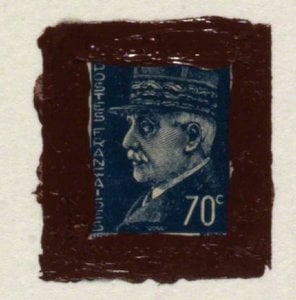
The Sculptor of Shadows: The Artistic Legacy of Eric Mayen
The artistic journey of Eric Mayen is a profound exploration of the intersection between memory, materiality, and the heavy shadows cast by history. Born in 1953 in Zielona Góra, Mayen’s creative path eventually led him to the prestigious Kunstakademie Düsseldorf in Germany. It was within this crucible of avant-garde thought that his style began to coalesce, shaped significantly by the mentorship of titans such as Gerhard Richter and Albert Oepke. From Richter, Mayen inherited a fascination with the blurred boundaries of perception and the power of tonal gradations to evoke ambiguity, resisting the urge toward literal representation in favor of something far more haunting. Meanwhile, the influence of Oepke introduced a sculptural rigor to his practice, encouraging a deep engagement with the physical properties of his medium and the transformative potential of form.
Mayen’s early explorations were rooted in the quiet observation of landscapes and the structural permanence of architecture. However, as his technical mastery grew, so did the emotional weight of his subject matter. He moved away from mere depiction toward a more visceral, symbolic language. This evolution reached its zenith with his celebrated ‘Heroes of the 20th Century’ series. In these monumental works, Mayen does not simply create portraits; he constructs meditations on power, resilience, and the inevitable decay of even the most formidable legacies. By utilizing reclaimed wood and salvaged metal—often timber rescued from demolished structures—he imbues his sculptures with a literal connection to the past, allowing the very grain of the wood to tell stories of time and loss.
Technique and the Language of Materiality
The brilliance of Mayen’s work lies in his ability to manipulate texture to convey complex human narratives. His approach is often characterized by a subtractive sculpting method, where he meticulously carves away at his chosen materials to reveal the underlying essence of his subjects. This process of removal serves as a powerful metaphor for the way history itself erodes our understanding of the past. The resulting forms possess a unique duality: they exhibit a rugged, structural strength while simultaneously displaying a profound vulnerability through their weathered surfaces.
His use of repurposed materials is not merely an aesthetic choice but a philosophical commitment to sustainability and historical continuity. Through his hands, the following elements converge:
- Material Innovation: The integration of salvaged timber and metal to bridge the gap between contemporary art and historical debris.
- Symbolic Decay: The use of natural imperfections, cracks, and textures to represent the passage of time and the fragility of human achievement.
- Visual Ambiguity: A mastery of light and shadow that invites the viewer to look beyond the surface and contemplate the deeper, often uncomfortable, truths of the 20th century.
Historical Significance and Artistic Impact
Beyond the physical presence of his sculptures, Eric Mayen’s work functions as a psychological archive. His ability to tackle controversial historical figures through a lens of artistic abstraction allows for a complex dialogue regarding political legacy and human nature. Whether through his striking black-and-white imagery or his more surrealist explorations, Mayen challenges the viewer to confront the ghosts of the previous century. His art does not offer easy answers; instead, it provides a space for contemplation on how we remember, how we forget, and how the remnants of history continue to shape our modern identity.
问答详情
Eric Mayen 属于哪些艺术流派?
您可以在Eric Mayen的全部流派页面上,按艺术流派浏览其作品。
如何按特定色调查找 Eric Mayen 的作品?
按色调浏览 页面按色调将 Eric Mayen 的艺术作品进行了分类。
如何按特定媒介查找 Eric Mayen 的所有作品?
若要查找Eric Mayen在特定媒介下的所有作品,请访问艺术家的所有媒介页面。
在哪里可以按颜色分类查看Eric Mayen的艺术作品?
Eric Mayen 的 色彩索引 页面按色彩对艺术家的作品进行了分类整理。