
 2011
2011 65.0 x 105.0 cm
 Contemporary Art Platform
博物馆级艺术微喷或帆布版画,制作高效,并提供多种饰面选择。 ( 订购此收藏品的纯手工复刻画作 切换至数字图像销售渠道)
您可以从与原作比例一致的预设尺寸中进行选择。

您可以输入自定义尺寸,以适配特定的画框或空间。如果您选择的尺寸与原图比例不符,我们将对作品进行裁剪,或通过镜像填充/纯色填充边缘的方式来扩展图像。在开始制作之前,我们会向您发送一份数字效果图供您确认。
请注意,屏幕上的预览并不能反映实际的裁剪或扩展效果。只有效果图才能准确展示最终的构图。
虽然我们提供定制尺寸,但为了保持原图比例,我们建议您从预设列表中选择尺寸。

Fired but Unexploded II
复刻品尺寸说明

Marina Abramović’s art isn't simply about creating beautiful images; it’s a visceral confrontation with the limits of human endurance, perception, and the very nature of being. Born in Belgrade, Yugoslavia – now Serbia – in 1946, her journey began not within the hallowed halls of an established artistic tradition, but amidst the complex political and social landscape of post-war Eastern Europe. Raised by parents who had fought as Partisans during World War II and later worked within the communist government, Abramović’s upbringing instilled in her a profound awareness of history, identity, and the often-contradictory forces shaping individual experience. This early environment would profoundly influence her artistic trajectory, leading her to explore themes of trauma, memory, and the body as a site of both vulnerability and resistance.
Her formal training at the Academy of Fine Arts in Belgrade and Zagreb provided a foundation in painting, but it was performance art that truly ignited her creative fire. Rejecting traditional notions of artistic creation, Abramović sought to dismantle the conventional boundaries between artist and audience, performer and subject. She began experimenting with her own body as the primary medium, pushing its physical and psychological limits in ways previously unseen. Early works like *Rhythm 10* (1973), where she meticulously stabbed the spaces between her fingers with a knife – drawing blood and enduring intense pain – established her reputation for radical experimentation and challenged viewers to confront uncomfortable truths about human capacity.
A pivotal moment in Abramović’s career arrived with her collaboration with Frank Uwe Laysiepen, known as Ulay. They began a deeply intertwined artistic partnership in 1975, exploring themes of gender, identity, and the dynamics of intimacy through their performances. Their work together became increasingly complex and emotionally charged, culminating in *Imponderabilia* (1977), a performance that remains iconic. In this piece, they stood naked and facing each other in the narrow entrance of a museum, forcing visitors to physically squeeze between them – an act that exposed the vulnerability of both performers and the audience’s own desires and inhibitions. This collaboration wasn't merely about creating spectacle; it was a deeply personal exploration of their relationship and its impact on their artistic practice.
Their travels across continents, particularly to China, led to *Nightsea Crossing* (1981-1987), a monumental undertaking that involved the couple meditating together for extended periods in various locations around the world. This performance, lasting over six years, represented a profound commitment to shared experience and a blurring of boundaries between self and other. The act of simply being present with each other, without words or interaction, became an artistic statement about the power of stillness and the potential for connection.
Abramović’s work evolved throughout the 1980s and beyond, solidifying her position as a pioneer of “endurance art.” She consistently sought to challenge both her own physical limits and the expectations of the audience. *The Artist Is Present* (2010), arguably her most famous performance, exemplified this approach. For seven hours each day at the MoMA in New York City, Abramović sat silently in a chair, offering viewers the opportunity to sit beside her and simply be present with her. The event was documented extensively through video, creating a powerful dialogue between artist and audience about the nature of attention, empathy, and the act of witnessing.
Her later works continued to explore themes of vulnerability, risk, and the relationship between body and mind. *Balkan Baroque* (1997), presented at the Venice Biennale, utilized video projections alongside live performances to confront her personal history and the legacy of war and displacement in the Balkans. Abramović’s willingness to expose herself – both physically and emotionally – has made her a controversial yet undeniably influential figure in contemporary art.
Marina Abramović's impact on the art world is undeniable. She fundamentally shifted the role of the artist, moving beyond the traditional creation of objects to embrace the body as a dynamic instrument of expression. Her work has inspired countless artists to explore new forms of performance, challenging conventional notions of beauty, comfort, and audience engagement. She’s not just an artist; she's a provocateur, a philosopher, and a relentless explorer of human potential – a testament to the enduring power of art to confront us with our own vulnerabilities and expand our understanding of what it means to be alive.
Her founding of the Marina Abramović Institute (MAI) in 2007 further solidified her legacy, establishing a non-profit organization dedicated to supporting and promoting performance art. The MAI serves as a vital resource for artists, researchers, and audiences alike, ensuring that Abramović’s pioneering work continues to inspire and challenge generations to come.
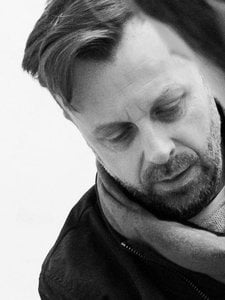
1974 - , Hungary


 实景预览
实景预览
 发送
发送 分享
分享
 详情
详情 指南
指南

 下载图片
下载图片
 相似作品
相似作品 X射线
X射线 幻灯片播放
幻灯片播放 统计数据
统计数据 阅读全文
阅读全文






































 玻璃选项仅适用于110厘米以下的尺寸。


