
x


 Chinese Calligraphy
 132.0 x 32.0 cm




























从与原作比例一致的预设尺寸中进行选择。

您可以输入自定义尺寸,以适配特定的画框或空间。如果您选择的尺寸与原图比例不符,我们将对作品进行裁剪,或通过镜像填充/纯色填充边缘的方式来扩展图像。在开始制作之前,我们会向您发送一份数字效果图供您确认。
请注意,屏幕上的预览并不能反映实际的裁剪或扩展效果。只有效果图才能准确展示最终的构图。
虽然我们提供定制尺寸,但为了保持原图比例,我们建议您从预设列表中选择尺寸。

CALLIGRAPHY IN RUNNING SCRIPT
复制品尺寸

Zhang Yuzhao (1823-1894) stands as a pivotal figure in late 19th-century Chinese calligraphy, a time of profound social and political upheaval. Born into a family with a distinguished artistic lineage – his father, Zhang Xiaoshan, was also a renowned calligrapher – Yuzhao’s life coincided with the decline of the Qing Dynasty and the rise of Western influence, profoundly shaping both his artistic style and philosophical outlook. His work is characterized by a potent blend of traditional techniques and a subtle yet unmistakable sense of melancholy, reflecting the anxieties and uncertainties of an era in transition.
Yuzhao’s early training was rigorous, steeped in the conventions of xingshu (running script), a dynamic and expressive style favored during the Song Dynasty. He initially studied under his father, mastering the fundamentals before venturing to Hangzhou, where he apprenticed with the esteemed calligrapher, Wu Changshuo. This period proved crucial, exposing Yuzhao to Wu’s innovative approach – a deliberate departure from rigid formality – which emphasized naturalness and spontaneity within the framework of traditional brushwork. Wu's influence is particularly evident in Yuzhao’s later works, where a sense of relaxed energy and emotional depth emerges.
However, Yuzhao wasn’t merely a technical imitator; he possessed a keen artistic sensibility that allowed him to synthesize these influences into a uniquely personal style. He excelled primarily in xingshu, a script known for its flowing lines and expressive character strokes. His works often depict landscapes, poetry fragments, and philosophical quotations, imbued with a quiet introspection. A key characteristic of his xingshu is the deliberate use of varying brush pressures and speeds to convey mood and emotion – a technique that elevates the script beyond mere transcription into a form of visual poetry. His calligraphy in clerical script (also known as “shixu”) demonstrates an even greater control over line and rhythm, creating a sense of elegant restraint.
A significant turning point in Yuzhao’s career occurred during his time in Shanghai, where he encountered Western art and ideas. While he never fully embraced Western styles, the exposure to new perspectives undoubtedly broadened his artistic horizons. He began incorporating elements of Western composition into his calligraphy, experimenting with asymmetrical arrangements and a more open, expansive approach. This fusion of Eastern tradition and Western influence is particularly evident in works like “Seven-character Calligraphic Couplet in Running Script,” a piece showcased at Christie’s that exemplifies this synthesis – the script flows across the paper with a dynamic energy while maintaining a deep connection to Chinese aesthetics.
Despite his artistic achievements, Yuzhao's life was marked by personal tragedy. His wife died tragically young, and he later suffered financial difficulties. These hardships undoubtedly contributed to the somber tone that permeates much of his work. His calligraphy became increasingly introspective, reflecting a sense of loss and longing. Nevertheless, Yuzhao’s legacy endures as one of China's most important calligraphers of the late 19th century – a master who skillfully navigated the complexities of his time, producing works that continue to resonate with viewers today.
Yuzhao’s artistic development was profoundly shaped by several key influences:
Zhang Yuzhao’s work represents a crucial bridge between traditional Chinese calligraphy and the changing artistic landscape of the late 19th century. His synthesis of established techniques with elements of Western influence reflects a broader cultural dialogue occurring during this period. His introspective style, characterized by a sense of melancholy and quiet contemplation, offers a poignant glimpse into the anxieties and uncertainties of a nation grappling with profound social and political change. He is remembered as a master who not only perfected traditional forms but also subtly anticipated the artistic developments that would shape Chinese art in the 20th century.

1823 - 1894
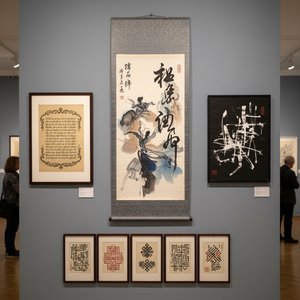
Explore the profound beauty of calligraphy art. From the fluid running script of Chinese masters to historical ink masterpieces, discover how the elegance of line transforms spaces with timeless grace and scholarly sophistication.

Embark on a profound journey through the soul of Chinese calligraphy. Explore the historical mastery of ink, brush, and script, from ancient Zhuanshu to elegant running script, and discover how this timeless art form reflects the enduring spirit of classical East Asian aesthetics.
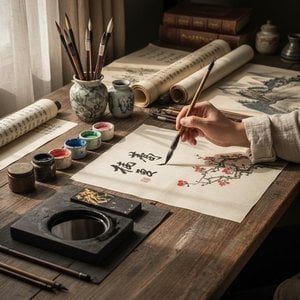
Embark on a sophisticated exploration of ink wash painting and Sumi-e. Uncover the profound historical lineages, Zen philosophies, and technical mastery behind this timeless medium in our authoritative guide for fine art enthusiasts.

Explore the mesmerizing world of Orientalist painting. Discover the history, key masters like Gérôme, and the complex cultural legacy behind the captivating allure of the East in art history through our expert-led deep dive into this iconic 19th-century movement.


第一时间获取最新的艺术新闻、独家优惠及装饰灵感。
向我们介绍您的项目需求,我们的艺术专家将为您提供 3 个个性化的艺术品推荐。
由我们的专家为您精选 3 款心仪之作 —— 完全免费!


 效果预览
效果预览
 购买手绘画作
 分享
分享 分享
分享
 详情
详情

 下载
下载
 相似作品
相似作品 X射线
X射线 幻灯片播放
幻灯片播放 展开详情
展开详情









 玻璃选项仅适用于110厘米以下的尺寸。


